
Aug 24, 2026
Can You Use Horse Liniment After Body Clipping? A Skin-First Guide
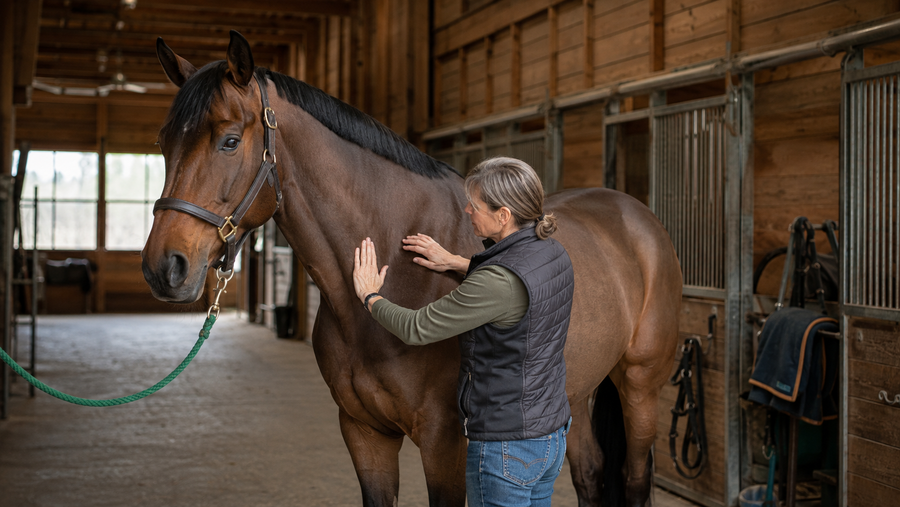
Before applying horse liniment after body clipping, use this clean, dry, intact skin check to spot clipper burn, rubs, and other reasons ...

Multi-day events expose small recovery problems quickly. Travel, unfamiliar water, stall time, weather, footing, repeated warm-ups, and the pressure of a schedule can all affect how a horse feels on the next day. The goal is not to force the horse back to baseline. It is to notice what changed and make the next decision accordingly.
Between event days, record the horse’s workload, cool-out, drinking, appetite, manure, legs, feet, back, movement, and attitude. Recheck the horse that evening and again before the next ride. Reduce or stop work for new heat, swelling, pain, lameness, abnormal breathing, fever, poor appetite, reduced manure, or a horse that is not returning toward its normal.
A multi-day plan works best when you already know the horse’s normal water intake, manure, leg fill, warm-up, and post-work behavior. Bring familiar feed and water-management tools when practical. Avoid introducing a new supplement, wrap routine, topical product, or piece of tack at the event unless there is a clear reason and professional guidance.
Write down each day’s classes, schooling, warm-up time, footing, temperature, humidity, and travel. “Only one class” can still represent a large workload if the warm-up was long, the footing was deep, or the heat was high.
At night check, compare both sides of the horse. Run your hands down the legs, check the feet, look over the girth and saddle areas, and notice posture in the stall. Watch the horse walk and turn if it is safe to do so. Confirm that the horse is drinking, eating, and passing manure normally.
Soft, even lower-leg filling after stall time is a different finding from hot, painful, one-sided swelling. Do not cover a questionable leg with a wrap and hope the schedule fixes it. Ask the veterinarian when the pattern is new, asymmetric, painful, or persistent.
Do the morning check before you are emotionally committed to the next class. Compare appetite, manure, water, attitude, legs, feet, back, and movement with the horse’s normal. Then decide whether the horse is ready for regular work, needs a shortened plan, needs an easy movement day, or should not compete.
For a horse already cooling normally, an external liniment may fit into a familiar post-work grooming routine when used according to the label. It does not diagnose the cause of soreness, make an unfit horse ready for another class, or replace cooling, hydration, rest, farrier attention, or veterinary care. Browse the horse liniment collection or visit the Horse Health Library for supporting education.
Use only a wrap routine you understand and can apply correctly. Uneven or overly tight bandaging can cause problems. Ask your veterinarian or experienced equine professional when swelling is new or concerning.
Start with a calm assessment, not a harder warm-up. Check the legs, feet, back, tack areas, attitude, and movement. Persistent or painful stiffness deserves professional evaluation.
No. A topical product can be part of external care, but it cannot replace an appropriate workload, hydration, cooling, rest, or veterinary care.
The entry fee and schedule are already spent. Protect the horse by making the next decision from current evidence.
Before applying horse liniment after body clipping, use this clean, dry, intact skin check to spot clipper burn, rubs, and other reasons ...
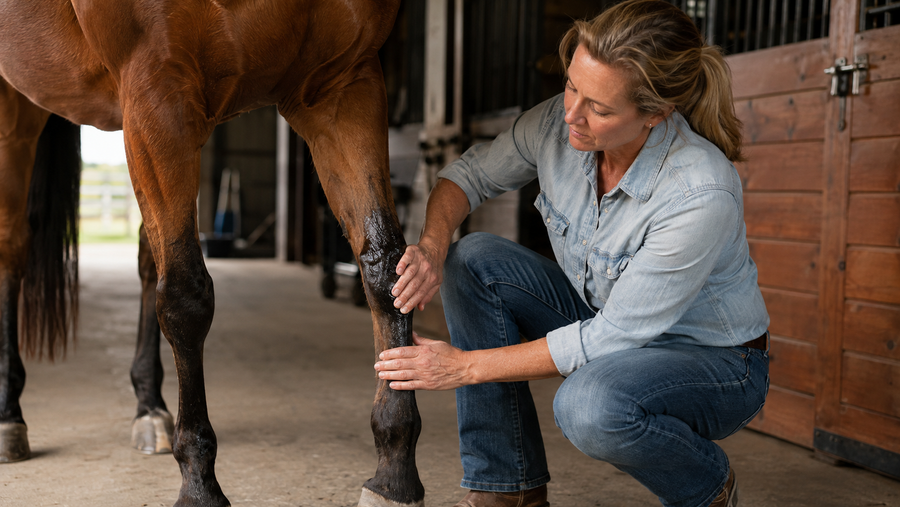
How much horse liniment should you use? Learn the thin-layer standard, what too much looks like, application mistakes, and when a leg nee...
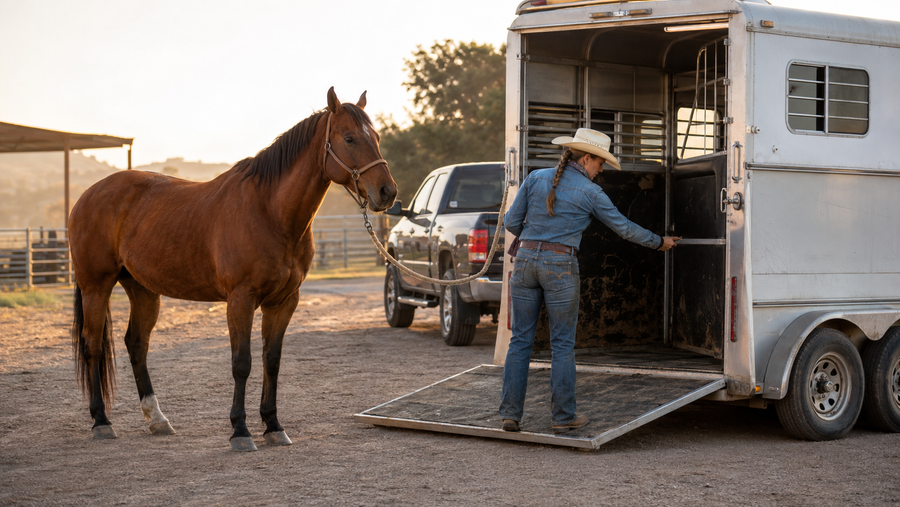
A rider-first horse trailering safety guide covering pre-trip trailer checks, loading, water, airflow, safe travel stops, arrival checks,...
!