

Jun 29, 2026
Horse Lost a Shoe? What to Check Before You Ride
If your horse lost a shoe, do not just tack up and hope for the best. Use this rider-first checklist to inspect the hoof, nail holes, sol...

A horse can be a little tender after a trim or shoeing change. But “sore after the farrier” can also be a clue: thin soles, stone bruise, nail pressure, abscess brewing, balance change, or laminitis concern.
Fast answer: mild tenderness that improves quickly can happen. Severe soreness, heat, strong digital pulse, reluctance to move, or a laminitis stance is not a wait-and-see project.
A stronger-than-normal pulse can point toward hoof pain or inflammation. Compare all four feet and pay attention to heat.
Warm feet alone are not the whole story, but heat plus soreness plus pulse deserves a higher level of concern.
One sore foot can point toward a localized issue. Multiple sore feet after a trim may suggest sole sensitivity, balance change, or a more serious systemic concern.
Watch the horse walk on safe footing. Short, stabbing steps, reluctance to turn, or a rocked-back stance changes the urgency.
| Pattern | What it may mean | Next step |
|---|---|---|
| Mild tenderness on hard ground only | Possible sole sensitivity or adjustment after trim/shoeing. | Monitor closely, avoid hard work, and update your farrier if it persists. |
| One foot suddenly very sore | Stone bruise, nail pressure, abscess, or localized hoof pain. | Call the farrier/vet. Do not keep riding through it. |
| Both front feet sore, rocked-back stance | Laminitis/founder concern until ruled out. | Call the vet urgently. |
| Soreness with heat and strong pulse | Inflammation or hoof pain concern. | Get professional guidance. |
| Gets worse over 24–48 hours | Not a normal “just trimmed” pattern. | Call the farrier and vet. |
Once your farrier or vet has ruled out urgent issues and the horse is safe, focus on comfort, clean footing, and routine support.
Silver Hoof EQ Therapy® is the hoof-care lane when the hoof needs a cleaner daily support routine.
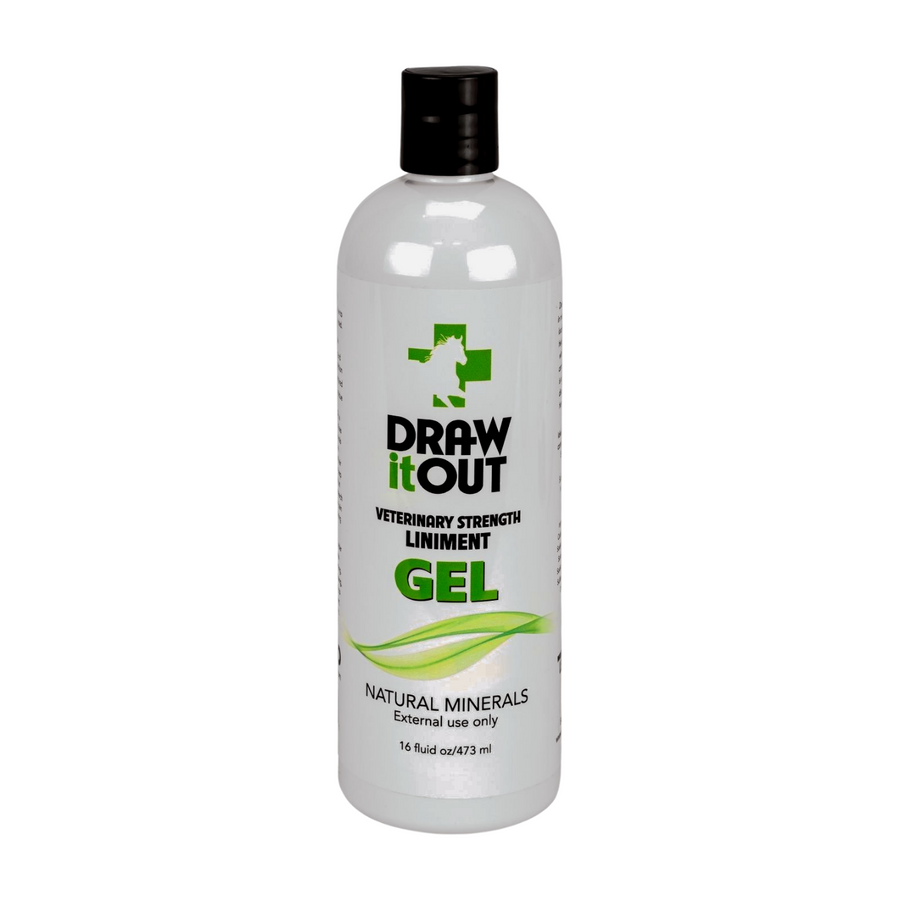
Draw It Out® Liniment Gel supports the body-care side when the horse is compensating, tight, or sore from altered movement.
For skin concerns around the hoof or lower leg, read the wound/skin guides and consider RESTOREaHORSE® where appropriate.
Mild tenderness may improve quickly, but soreness that is severe, worsening, or still obvious after a short period should be discussed with your farrier or veterinarian.
A trim or shoeing change can reveal sensitivity or create adjustment soreness, but serious soreness should not be ignored. The goal is to identify the cause, not blame the calendar.
No. Do not ride through hoof soreness. Determine the cause first, especially if there is heat, pulse, or obvious lameness.
Educational content only. This article does not diagnose, treat, cure, or replace veterinary/farrier care.
If your horse lost a shoe, do not just tack up and hope for the best. Use this rider-first checklist to inspect the hoof, nail holes, sol...
Lead reluctance can come from training, balance, rider timing, footing, soreness, tack, or fatigue. Track the pattern before drilling har...
If your horse slipped in pasture, mud, wet grass, or a barn aisle, check legs, feet, back, movement, swelling, heat, hoof or shoe damage,...
!