How Long Does a 16oz Horse Liniment Gel Bottle Last?
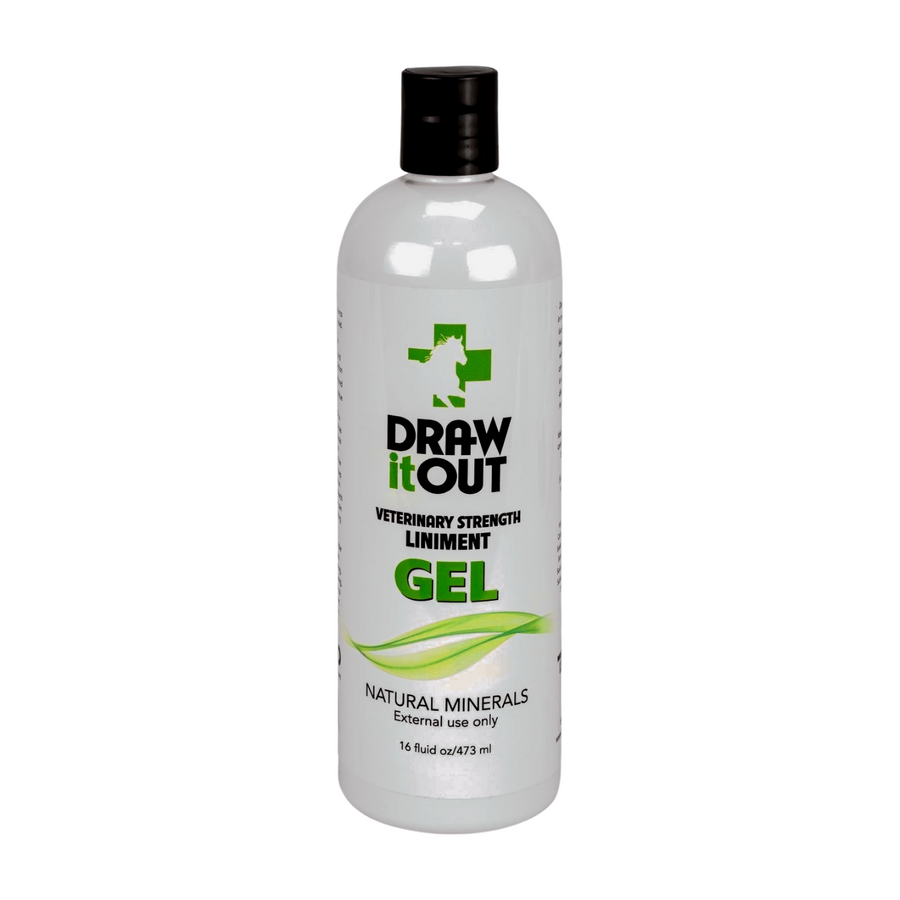
There is no universal application count. Use this seven-day bottle-life test to choose between 16oz single, two-pack, four-pack, and 64oz Gel.

Draw It Out® Horse Health
A real-world warm-weather routine for checking heat, sweat, breathing, legs, hydration, and recovery needs before you put your horse away.
Quick answer: If your horse is still hot after untacking, check breathing, sweat pattern, skin temperature, attitude, legs, hydration, and how quickly they return to normal after walking, shade, air flow, water access, and proper cooling.
The goal is not to turn every hot day into a crisis. The goal is to notice when your horse is cooling down normally and when something about the recovery pattern deserves more attention.
Most riders know to walk a horse out. Fewer riders build a repeatable system for what they are actually checking while the horse cools down.
That is where small problems get missed. A horse can be untacked and still not be recovered. Sweat can dry unevenly. Legs can feel different after work. Breathing can stay elevated longer than expected. A horse can look quiet but still need more time.
Warm weather work asks more from the whole horse. Muscles, skin, circulation, breathing, hydration, and attitude all give you clues. None of those clues should be read alone. The pattern is what matters.
The barn rule: untacked does not automatically mean cooled out.
This routine is especially useful after hot or humid rides, hauling in warm weather, harder schooling days, show weekends, deep footing, hills, or any ride where the horse feels slower to return to normal.
Breathing should gradually settle with walking, shade, air flow, and time. If it stays hard, noisy, labored, or unusual, do not brush it off.
Look for normal sweat, patchy drying, unusual lack of sweat, heavy lather, or areas that stay hot and damp longer than expected.
Use your hands. Check neck, chest, back, girth area, large muscle groups, and under tack areas.
A horse that is dull, anxious, unusually quiet, cranky, or disconnected after work is giving you information.
Run your hands down all four legs. Look for heat, filling, new tenderness, boot rubs, interference marks, or changes from baseline.
Offer water and watch interest. Hydration is a routine, not an afterthought. For electrolyte support, see Hydro-Lyte™ Trusted Horse Electrolyte.
| What you check | What you want to see | When to slow down |
|---|---|---|
| Breathing | Gradual return toward normal | Hard, labored, noisy, or not improving |
| Sweat | Normal sweat and steady drying | No sweat, odd patches, heavy lather, or heat stress concern |
| Muscles | Softening as the horse cools | Guarding, flinching, uneven heat, or reluctance |
| Legs | Normal feel for that horse | New heat, filling, tenderness, cuts, or rubs |
| Attitude | Alert, settled, interested | Dull, anxious, weak, unusually quiet, or off feed |
Post-ride care should begin with observation, cooling, hydration, and common sense. Products support the routine. They do not replace the check.
Call your veterinarian if your horse has labored breathing, weakness, collapse, abnormal sweating, no sweating when sweating would be expected, signs of colic, severe distress, persistent elevated temperature, sudden lameness, unusual swelling, or behavior that feels seriously wrong.
It can be normal for a horse to need more time after warm-weather work, but breathing, attitude, sweat pattern, skin heat, and recovery trend should all improve with proper cooling and time.
Check breathing, sweat pattern, skin heat, attitude, legs, water interest, and how the horse changes after walking, shade, air flow, and cooling.
Observe and cool the horse first. Use liniment gel only as part of an appropriate routine on suitable external areas and according to label directions.
Red flags include labored breathing, weakness, collapse, abnormal sweating, no sweating when sweating would be expected, signs of colic, sudden lameness, or behavior that feels seriously wrong.
Where to go next: Start with the Solution Finder, build your baseline with Prehabilitation, or browse the liniment gel collection.
There is no universal application count. Use this seven-day bottle-life test to choose between 16oz single, two-pack, four-pack, and 64oz Gel.
Meet Courtney Sabral of Chico, California, an experienced barrel racer and gymkhana rider whose care routine for Diamond and 26-year-old Ricky is built around consistency.
How much horse liniment should you use? Learn the thin-layer standard, what too much looks like, application mistakes, and when a leg needs your veterinarian.
!