


Jul 14, 2026
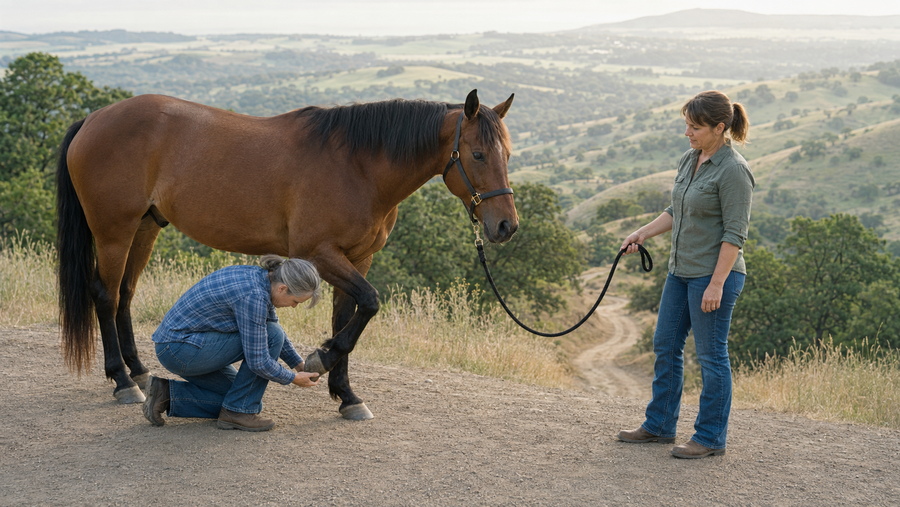
Horse Reluctant Downhill? Front-End and Foot Checks
A practical horse health guide for horses reluctant downhill: front feet, shoulders, saddle balance, footing, and vet or farrier red flags.

July leaves clues for August. Heat, storms, travel, lake days, fireworks, gravel, pasture, fairgrounds, and long weekends show dog owners where the routine is strong and where it is thin.
Before August heat hits, active dog owners should review what repeated in July: hot walks, paw licking, wet-coat odor, collar rubs, harness marks, slow recovery, travel stress, ear concerns, and muddy skin checks. Stock the shelf, adjust the routine, and call your veterinarian about any pattern that keeps returning.
Most dog-care problems are not random. They repeat. The same paw gets licked after gravel. The same collar line gets damp after swimming. The same dog overheats on the same route. The same coat mats behind the same ear. July gives you the data if you are willing to look.
Walk earlier. Shorten hot routes. Carry water. Check surfaces. Dry wet coats. Clean collars. Inspect harness zones. Brush behind ears. Rinse paws after pasture and gravel. Give rest days before the dog demands them. This is not complicated. It is discipline.
Use active K9 products to support the routine you actually need. Start with the K9 Complete Care Pair, add K9 TheraMud™ for skin-and-coat support, and use Soothing Lavender Dog Shampoo when bath day is earned.
Call your veterinarian about repeat limping, persistent paw chewing, ear odor, recurring skin irritation, heat intolerance, appetite changes, vomiting, abnormal breathing, or any pattern you keep writing off.
Heat, rough ground, wet coats, paw irritation, travel recovery, gear rubs, and slower recovery after hard weekends.
Look at what repeated in July. Stock for the pattern, not the fantasy.
Any recurring, painful, worsening, or abnormal pattern deserves a veterinary conversation.
Heat is coming. The dog already told you what needs fixing. Build the shelf and adjust the routine now.
A practical horse health guide for horses reluctant downhill: front feet, shoulders, saddle balance, footing, and vet or farrier red flags.
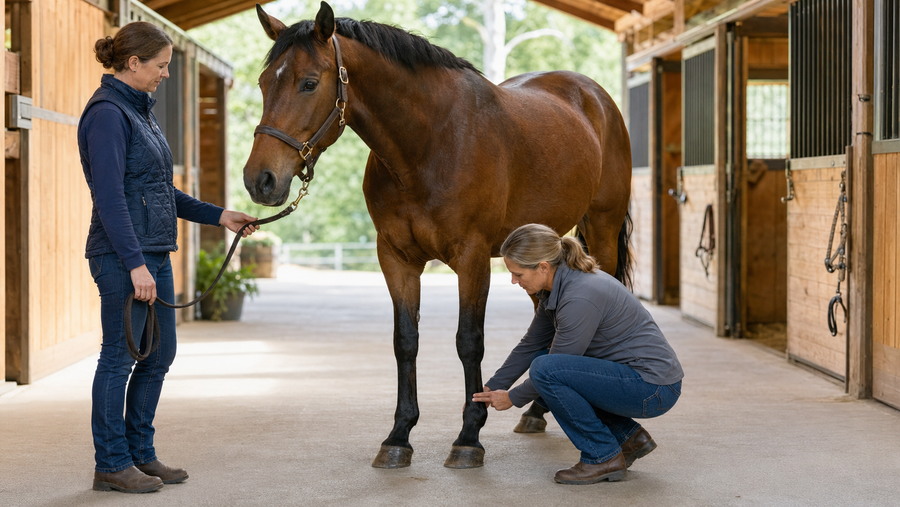
A rider-first guide to checking a stronger horse digital pulse, comparing all four feet, reading hoof heat and movement, and recognizing ...
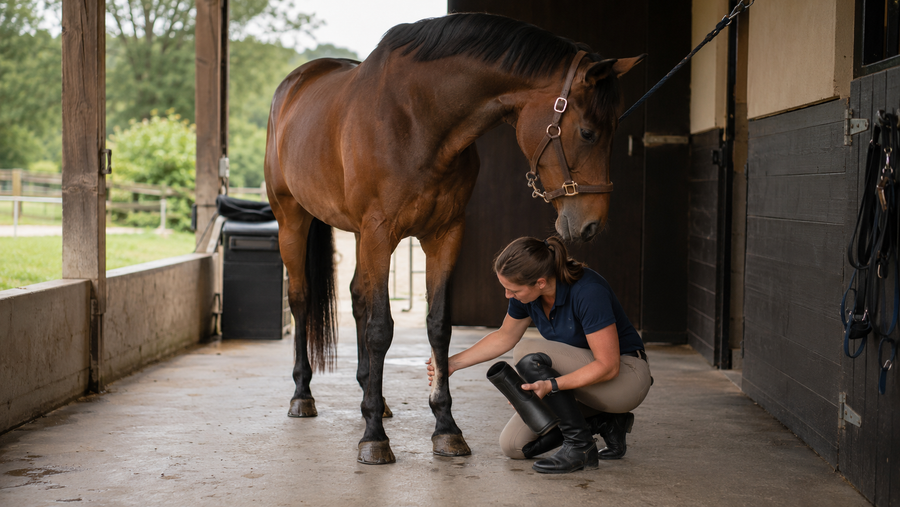
A practical horse health guide for skin scabs under boots: boot fit, trapped sweat, dirt, rub lines, skin checks, and when to call the vet.
!