
Jul 09, 2026
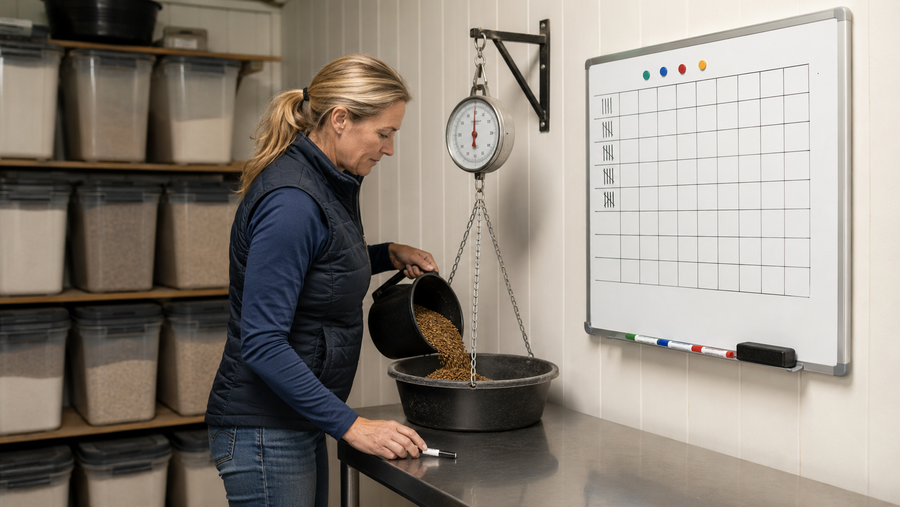
The Feed Room Board: Track Before Supplementing
A product-neutral feed-room tracking system for water, manure, appetite, workload, hauling, changes, response windows, and professional r...

Real Rider Resource
Splints are common enough that horse people sometimes get casual about them. That is the mistake. Heat, swelling, tenderness, or lameness along the cannon bone deserves a real check before the horse is asked for more.
Splint bone issues often start as a small change that is easy to explain away.
A little swelling. A little heat. A young horse coming into harder work. A horse that bumped itself. A horse working on hard ground, deep footing, or tight turns. Sometimes the horse is only mildly off. Sometimes the lameness is obvious.
The smart move is not panic. The smart move is to stop, check, and decide whether this is a routine management moment or a veterinarian-first problem.
Do not rub, wrap, or ride through a hot, painful, or lame lower leg before you understand what changed.
The splint bones sit along the cannon bone. Injury or inflammation in that area can create heat, swelling, tenderness, and eventually a firm bump. Splints are often discussed in young horses because the lower limb is still adapting to work, but any horse can develop lower-leg inflammation when workload, footing, conformation, interference, or trauma stack up.
Compare the leg to the opposite leg. Feel both sides. Look for a wound. Watch the horse walk. Note whether the horse is lame, sensitive, or reluctant to turn. Write down when you first saw it and what work happened beforehand.
If there is lameness, sharp pain, significant swelling, heat, or uncertainty, call your veterinarian. Lower-leg problems are not the place to prove you can tough it out.
Your veterinarian may recommend rest, controlled exercise, cold therapy, anti-inflammatory support, imaging, shoeing review, protective booting, or a staged return to work depending on the horse and severity.
The return-to-work plan matters. A horse may look better before the tissue is ready for speed, tight turns, hard ground, or heavy training. That is where riders get in trouble: the calendar says go, but the leg says wait.
Responsible support
Draw It Out® products can fit a routine around post-work checks, body support, and clean external care when used on clean, intact skin and according to label directions. They do not replace diagnosis for a hot, painful, or lame leg.
Shop Horse Stiffness & Movement Support or visit the Horse Health Library.
Splints are common, but common is not permission to ignore them. Heat, swelling, tenderness, or lameness along the lower leg should change the plan before the horse pays for the rider’s hurry.
Educational only. This article is not a substitute for veterinary diagnosis or treatment. Heat, swelling, pain, lameness, wounds, or sudden lower-leg changes should be evaluated by your veterinarian.
A product-neutral feed-room tracking system for water, manure, appetite, workload, hauling, changes, response windows, and professional r...
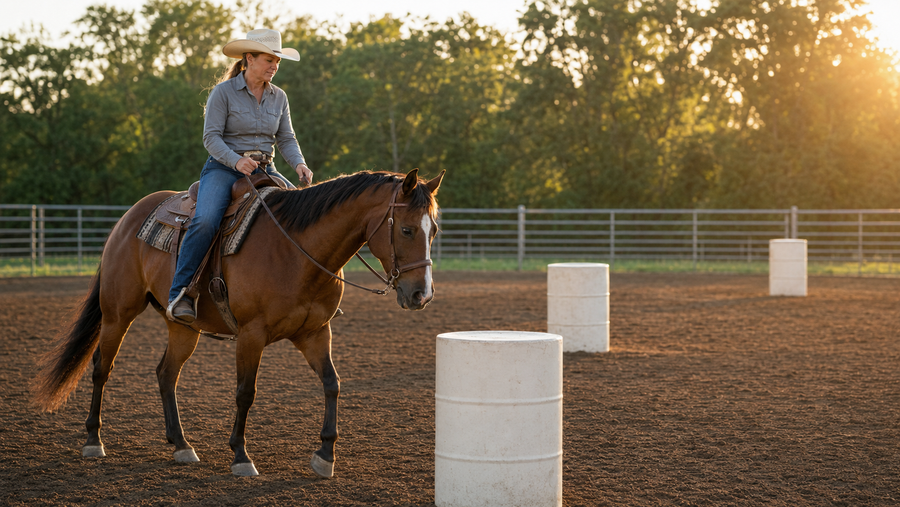
When a horse anticipates a pattern, separate learning, rider cues, anxiety, fatigue, footing, tack, and pain before adding pressure or re...
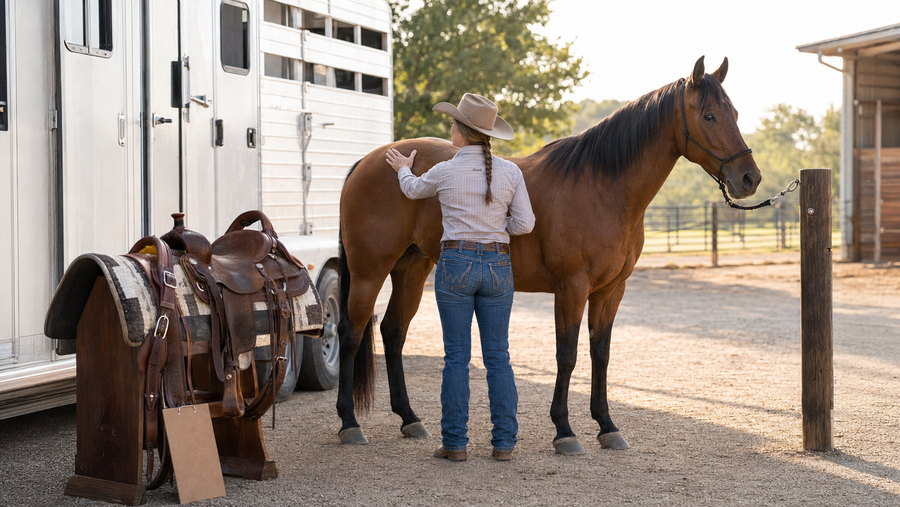
Use this pre-jackpot checklist for feet, legs, hauling, water, tack, footing, warm-up, cooling, recovery, and signs that should stop the ...
!