Quick answer: After a loud or stressful weekend, check the horse before returning to work. Review water, appetite, manure, sleep and rest, injuries, feet, legs, movement, attitude, and the environment. Use a quiet reset when the horse is normal but tired. Call the veterinarian for colic signs, lameness, wounds, fever, abnormal breathing, severe distress, or a horse that is not returning toward normal.
Fireworks, crowds, hauling, unfamiliar stalls, heat, loud music, and late nights can leave evidence even after the property becomes quiet. A horse may be mentally alert and physically tired at the same time.
Start With the Basics
- Did the horse drink near its normal amount?
- Is appetite normal?
- Is manure normal in amount and consistency?
- Are there sweat marks, scrapes, rubs, or damaged equipment?
- Did the horse rest, or spend hours pacing and calling?
- Does attitude look settled, dull, anxious, or unusually reactive?
Excitement can hide fatigue, and a busy schedule can hide a horse that needs recovery.
Inspect the Environment
Check fencing, gates, stalls, buckets, mats, panels, and trailer areas for signs of scrambling or impact. A stressed horse may damage a normally safe space. Fix hazards before turnout or routine handling resumes.
Check Movement, Legs, and Feet
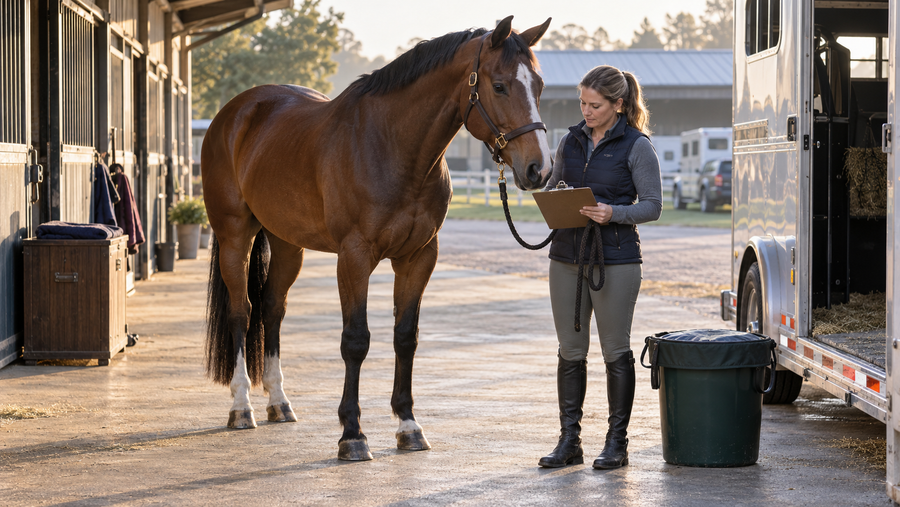
Observe the first steps after standing. Compare all four feet and legs for heat, swelling, wounds, stronger digital pulses, damaged hoof wall, or loose shoes. Watch straight lines and turns only when safe. Do not longe or work a horse that is lame, painful, weak, or abnormal.
Choose the Right Reset
If the horse is sound, eating, drinking, passing normal manure, and settling, a quiet turnout, hand walk, forage, water, and rest may be enough. Keep the next session simple. Avoid using hard exercise to make a tired, reactive horse “behave.”
For a fireworks-specific morning check, use Horse On Edge After Fireworks Night?
Where Products Fit
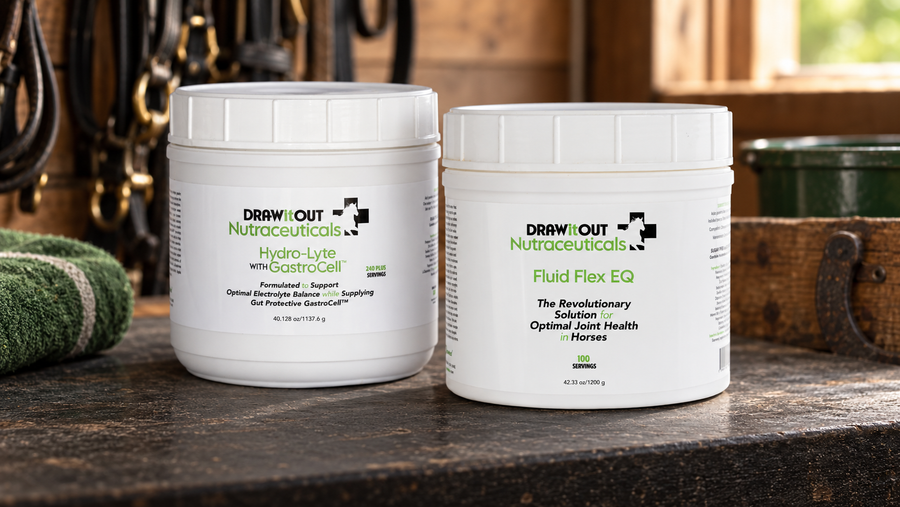
Hydro-Lyte® may fit an established, label-directed hydration and electrolyte plan. Do not introduce a new supplement during a stressful event without veterinary or nutrition guidance, and do not use one to replace evaluation of a horse that is not drinking.
An external Draw It Out® liniment may fit a familiar grooming routine for an otherwise appropriate horse. It does not treat stress, injury, dehydration, or an abnormal recovery.
When to Get Help
Call for colic signs, lameness, injuries, hoof pain, fever, abnormal breathing, severe or persistent distress, weakness, poor water intake with other concerns, or a horse that is not returning toward normal.
FAQ
Should I ride after a stressful weekend?
Only when the horse is settled, sound, hydrated, eating, passing manure, and moving normally. A quiet reset may be safer.
Can a horse be tired and still act hot?
Yes. Adrenaline, anxiety, and fatigue can occur together. More exercise is not automatically the answer.
Should I add a calming or hydration supplement?
Do not improvise a new supplement plan. Use only products appropriate for the horse and follow veterinary, nutrition, label, and competition guidance.
General riding education only. This article does not diagnose or treat a horse and does not replace veterinary advice.