

Jun 16, 2026
The One Question Real Riders Should Ask Before Every Ride
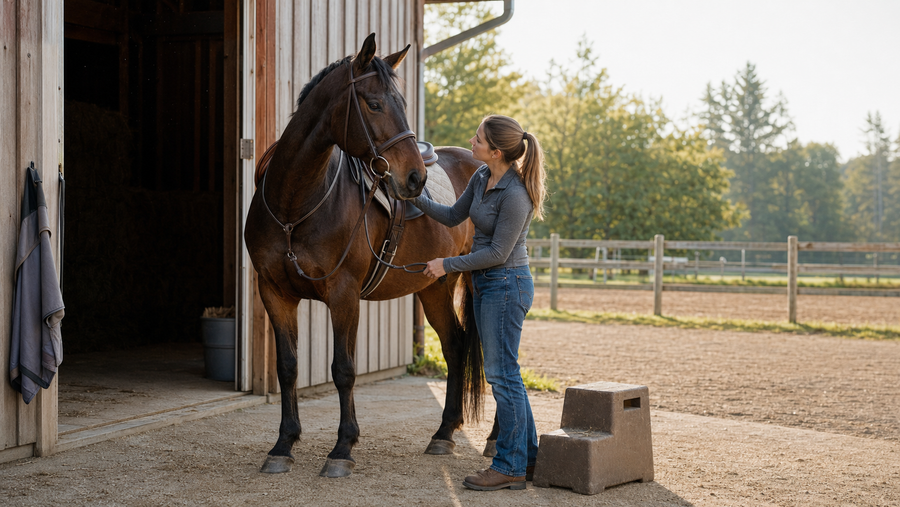
Before every ride, ask what changed since the last time this horse worked. That answer should shape the warmup and the plan.

Horses usually whisper before they shout. Real riders learn to hear the whisper.
Before a horse gets loud, riders often see smaller signs: changed expression, slower response, tail tension, shorter stride, harder warmup, girthiness, drifting, brace, pinned ears, or slower recovery. These early clues deserve a check before the horse escalates.
A buck, bolt, refusal, bite, kick, or blowup often gets all the attention. But those are rarely the first words in the conversation. The earlier signs are easier to miss because the horse is still trying to cooperate.
Pause earlier. Check the horse. Change the ask. Look for the pattern. If the clue is physical, call the right professional. If it is training, make the lesson clearer and fairer. Either way, do not ignore the first warning.
Use What Does My Horse Need? when early clues point toward stiffness, skin, hoof, or travel. For education, start with the Horse Health Library.
Changed expression, shorter stride, brace, girthiness, drifting, tail tension, slower warmup, and slower recovery can all be early clues.
Not blindly. First check whether the horse is confused, uncomfortable, tired, or being asked unfairly.
The best riders solve problems before the horse has to get loud.
Before every ride, ask what changed since the last time this horse worked. That answer should shape the warmup and the plan.
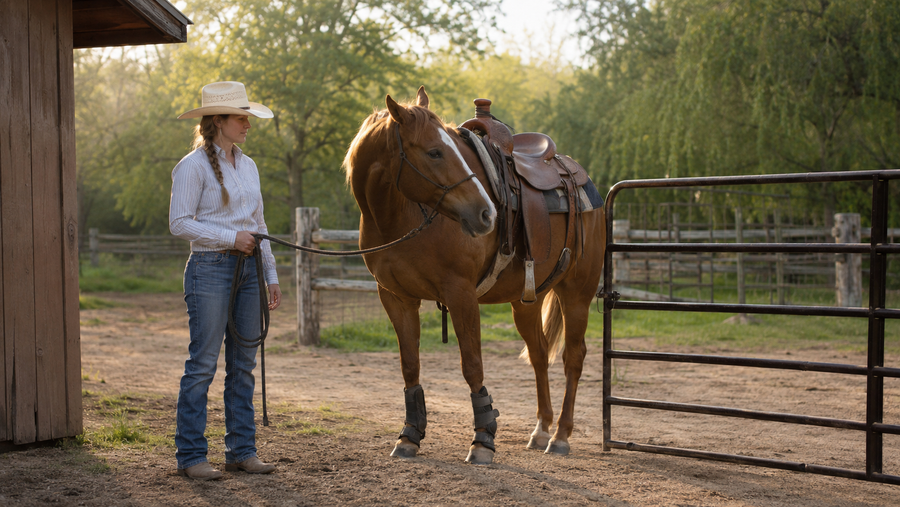
A Real Rider Resource article on reading early resistance, separating attitude from information, and knowing when to change the plan.
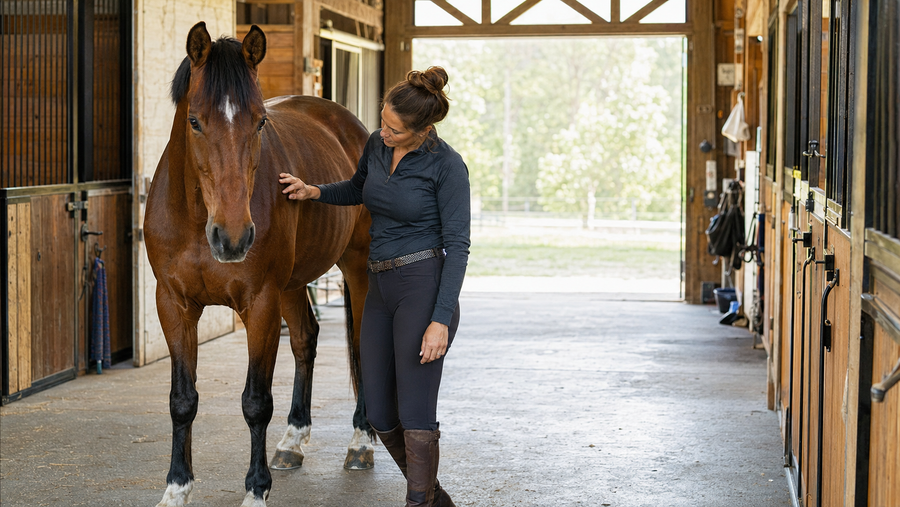
A practical Real Rider Resource checklist for catching small barn changes before they become bigger horse-care problems.
!