Jun 13, 2026
The Barn Note That Saves Tomorrow’s Ride
A locked-style Real Rider Resource article on simple barn communication: what to write down after a ride, haul, bath, turnout change, or ...

A horse that feels heavy is not always being rude. Heavy can mean tired, braced, unbalanced, confused, sore, hot, or pushed beyond the rider’s preparation.
When a horse feels heavy, real riders check balance, rhythm, breathing, footing, tack, rider hands, fatigue, and body comfort. The right move is usually to simplify and rebalance before adding more pressure.
Heavy in the hand, heavy off the leg, or heavy through the shoulder can all come from different places. The lazy answer is to pull harder. The useful answer is to ask what changed and where the heaviness shows up.
Use transitions, circles, and walking breaks as diagnostic tools. Reward small improvements. If the horse gets lighter when the work gets clearer, you found a training path. If the horse stays heavy or worsens, check comfort before drilling.
Use Horse Health Library resources to think through recovery and comfort patterns. If post-ride topical support fits, review the active horse liniment collection.
Balance, fatigue, soreness, footing, tack, rider hands, confusion, and heat can all contribute.
No. Rebalance, clarify, and investigate repeating patterns.
Real riders adjust before the horse has to lean harder.
Conditioning works best when the horse gets time to adapt, not just more work to survive.
A locked-style Real Rider Resource article on simple barn communication: what to write down after a ride, haul, bath, turnout change, or ...
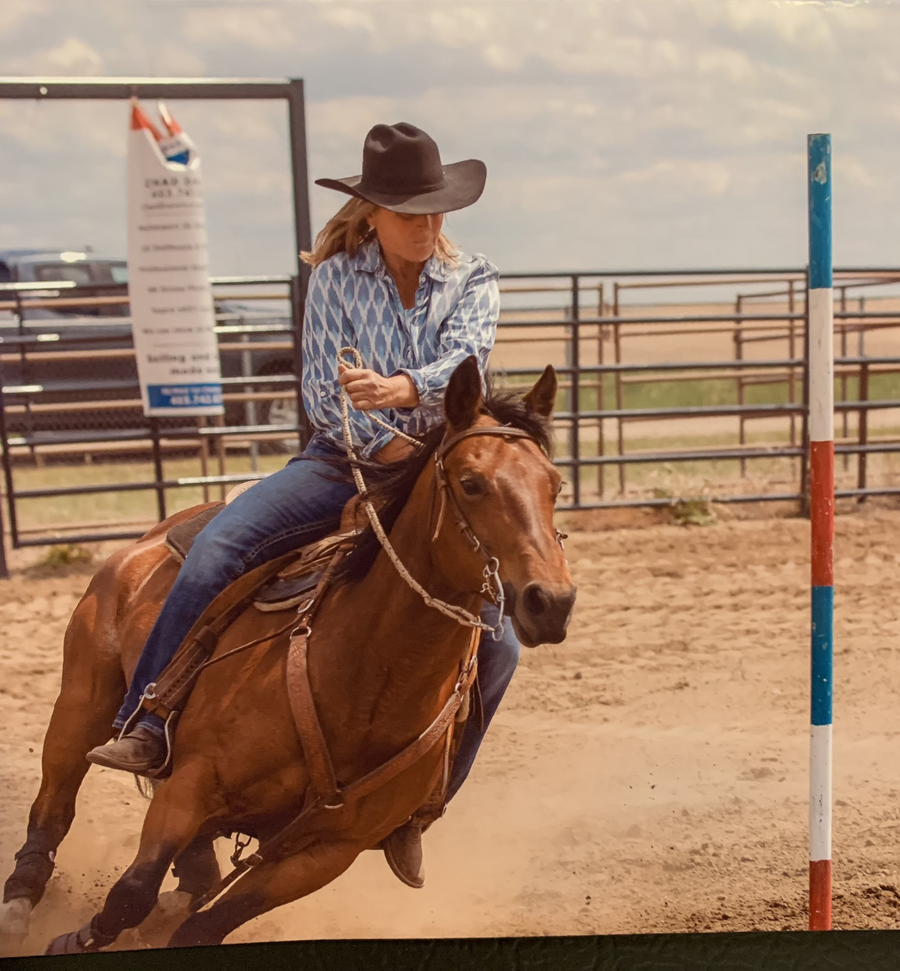
United States Real Rider Val Leibel uses Draw It Out® 16oz Gel with her 19-year-old rope horse and credits the 128oz Concentrate as part ...
A Real Rider Resource guide for what to notice after deep footing so riders count ground conditions as part of workload.
Want a smarter way to handle soreness, heat, swelling, and post-ride leg care? Visit our Performance Recovery Hub for clear routines and product guidance.
Visit the Recovery Hub!