Seasonal Care
Spring Energy Is Not Spring Fitness
A horse can feel powerful, forward, and ready in spring long before their body is actually conditioned for harder work. That difference matters more than most riders realize.

When energy comes back overnight
Spring has a way of flipping a switch.
After a quieter winter, horses suddenly feel alive again. More forward. More reactive. More powerful.
It is easy to interpret that feeling as fitness.
But what you feel in the saddle is not always strength. Often, it is stored energy finally being released.
And that is not the same thing.
Energy is immediate. Fitness is earned.
Energy shows up fast. Fitness builds slowly.
A horse can feel explosive and eager after a few days of warmer weather, more turnout, or simply a shift in routine. But real conditioning takes steady work over time. Cardiovascular capacity, muscle endurance, balance, and joint resilience do not return just because the horse feels sharp.
This is where a lot of early season mistakes start. The horse feels ready, so the workload rises before the body has actually caught up.
The hidden gap that matters most
The most important gap in early spring is not between rider and horse.
It is between perceived ability and actual conditioning.
That gap can show up as quiet little warning signs:
- Fatigue earlier in the ride than expected
- Subtle loss of balance through transitions or turns
- One good day followed by a flat one
- Forward motion that does not hold up through the full session
None of those automatically mean something is wrong. Often, they just mean the body is still rebuilding.
The horse may offer more animation and impulsion before the muscles, joints, and cardiovascular system are ready to support harder demands for long.
Why a fresh horse can feel stronger than they are
After reduced winter work, many horses carry extra energy. That creates bigger movement, faster reactions, and a stronger first impression under saddle.
But fresh does not automatically mean fit.
Freshness can temporarily mask a lack of conditioning because the horse moves with more intensity than they can actually sustain. That is why the first ten minutes can feel incredible while the last third of the ride starts to unravel.
Early spring is where discipline matters
The best riders do not confuse excitement with readiness.
They do not prove anything in March. They build something.
That means early rides often focus on:
- Rhythm before speed
- Consistency before intensity
- Duration before difficulty
- Recovery between rides, not just effort inside the ride
It is not about holding the horse back. It is about bringing the body forward at the right pace.
Fitness builds quietly
Real conditioning does not always feel dramatic.
It usually shows up in smaller, steadier ways. The horse finishes as strong as they started. Recovery improves. Movement becomes more balanced. Good rides begin stacking on top of each other instead of alternating with flat ones.
Those are the signs that matter more than how electric the horse feels at the beginning.
The cost of getting ahead of the body
Riders usually do not get in trouble because of one huge mistake. They get in trouble by pushing just a little too much, just a little too early, and repeating it.
That can quietly build fatigue, tighten recovery windows, and place unnecessary stress on structures that are still adapting.
Spring is where you either build resilience or borrow against it.
How to support the transition from energy to strength
The goal is not to burn off spring energy. The goal is to turn it into usable, repeatable strength.
That is where a calm, proactive routine matters. Many riders build that transition through daily structure, smart progression, and support that fits the workload instead of chasing symptoms after the fact.
If you want a more guided path, start with the Solution Finder to narrow the most relevant support for your horse and current workload.
For the bigger framework, the Prehabilitation page is the right place to build a more deliberate early season routine around readiness, recovery, and resilience.
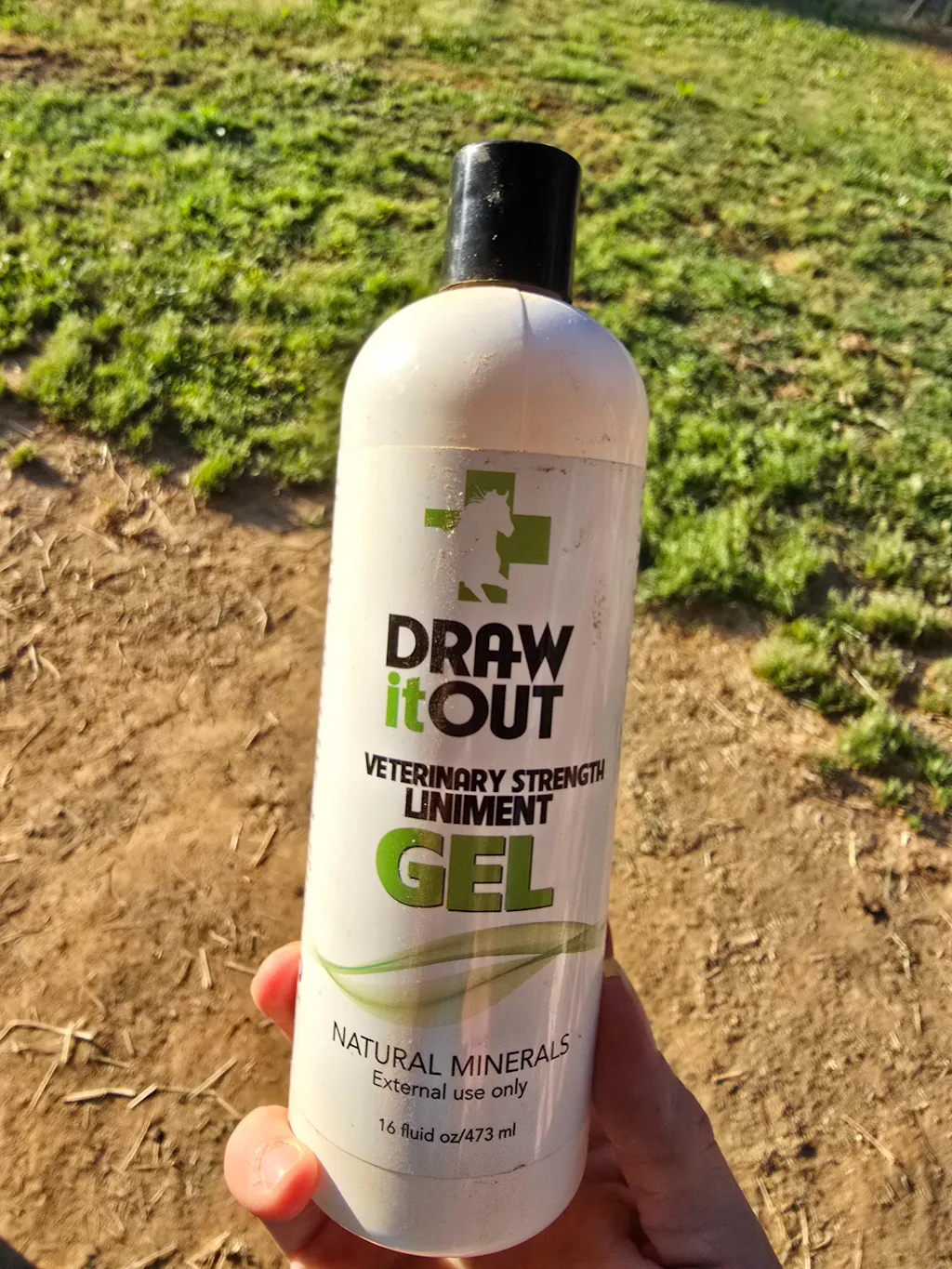
If your program already includes targeted topical support, the horse liniment gel collection is where many riders start building a controlled, stay put routine around warm up, post ride care, and daily mobility support.
Do not be fooled by the first ride
The first few spring rides can feel incredible.
Big movement. Forward energy. A horse that suddenly feels like they are ready for everything.
But the smartest riders know that feeling is not the benchmark. It is just the beginning.
The goal is not a horse that feels amazing for one ride.
The goal is a horse that stays strong, sound, and consistent through the entire season.
That kind of horse is not built on energy alone.
It is built on patience.
Frequently asked questions
Why does my horse feel so fit in spring after less winter work?
Because energy often returns faster than conditioning. More turnout, warmer weather, and a change in routine can make a horse feel more forward long before cardiovascular fitness and muscle endurance are fully rebuilt.
How can I tell the difference between fresh energy and real fitness?
A fresh horse often feels powerful at the start but fades in quality or balance as the ride goes on. A truly fit horse holds rhythm, strength, and recovery more consistently from start to finish.
Should I push harder if my horse feels ready in early spring?
Usually, no. Early spring is a better time to build duration, rhythm, and consistency before adding more intensity. Let the body catch up to the attitude.
What is the risk of increasing work too fast in spring?
The risk is usually gradual overload, not instant disaster. Small layers of fatigue, reduced recovery, and extra stress can add up if the horse feels ready before they are actually conditioned.
What kind of routine helps horses transition from freshness to fitness?
A calm, repeatable routine that balances workload, recovery, mobility, hydration, and steady progression usually works best. That is the logic behind a good prehabilitation plan.