From the journal
Hunting Dog Paw Check After the Hunt: Pads, Toes and Nails
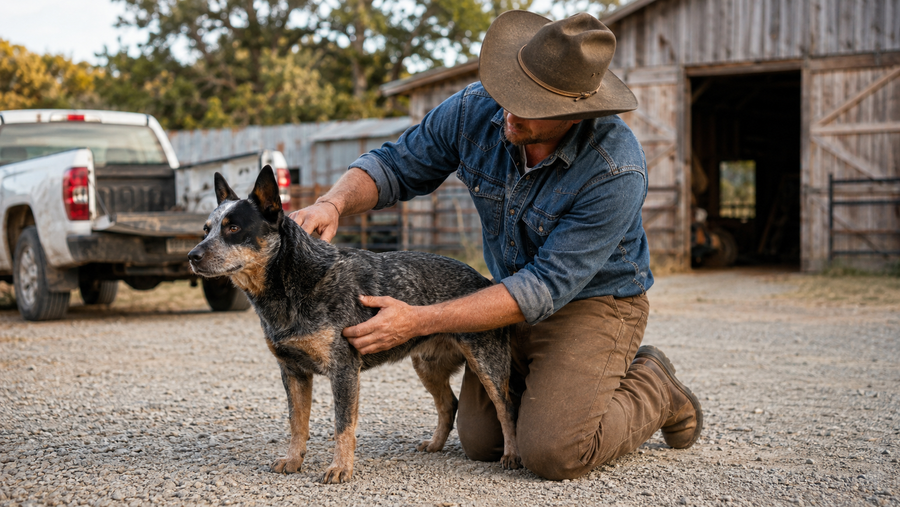
Use this three-minute tailgate paw check after every hunt to catch worn pads, burrs, torn nails, swelling, and gait changes before the next field.
Read the storyFree U.S. shipping at $50+
No code needed.
Shipping detailsFrom Draw It Out®
For the dogs that share the work, the trails, and the ride home. Practical reading on paws, skin, travel, and everyday care for active dogs.
From the journal
Use this three-minute tailgate paw check after every hunt to catch worn pads, burrs, torn nails, swelling, and gait changes before the next field.
Read the storyClicking nails usually mean it is time for a closer look. Check length, dewclaws, paw pads, traction, gait, and the signs that call for a veterinarian.
A simple after-walk dog-care checklist, where K9 Advanced™ Relief Spray fits, and when a change in movement belongs with your veterinarian.
Give your barn dog a quiet place off the clock. Plan the location, bed, water, boundaries and daily checks around the way your barn works.
Learn what flaky, greasy or smelly dog skin can mean, how to plan veterinary care, and what to ask before trying home remedies, oils, rinses or a new...
A solemn remembrance of the working dogs and handlers who served on September 11 and throughout the long response that followed.
On Labor Day, we honor working dogs, faithful companions and the people who train, handle, protect and care for them every day.
Separate emergency supplies from normal after-activity care for hunting, barn, trail, and working dogs, then know when the veterinarian comes first.
A paw-to-back check for hunting dogs after the first hard weekend, including next-morning decisions, conditioning fixes, veterinary red flags, and dog-specific care.
A paw-to-shoulder check for dogs that look sore after hiking, plus next-trail decisions, veterinary red flags, and a dog-specific after-activity care route.
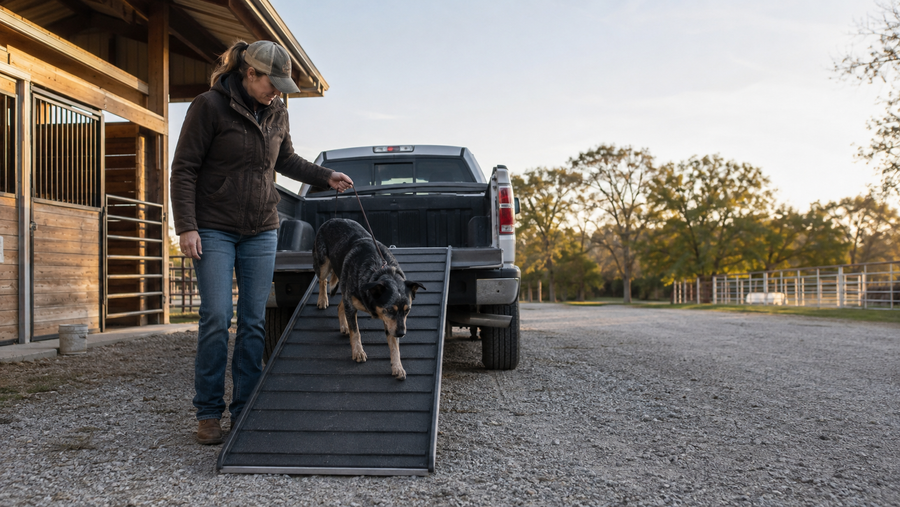
A practical ramp, training, and movement-check routine for dogs that ride in pickups, with clear signs that mean it is time to call the veterinarian.
Use dog liniment spray safely with a seven-step check-first routine, common mistakes, veterinary red flags, and dog-specific product guidance.
!