Daily recovery
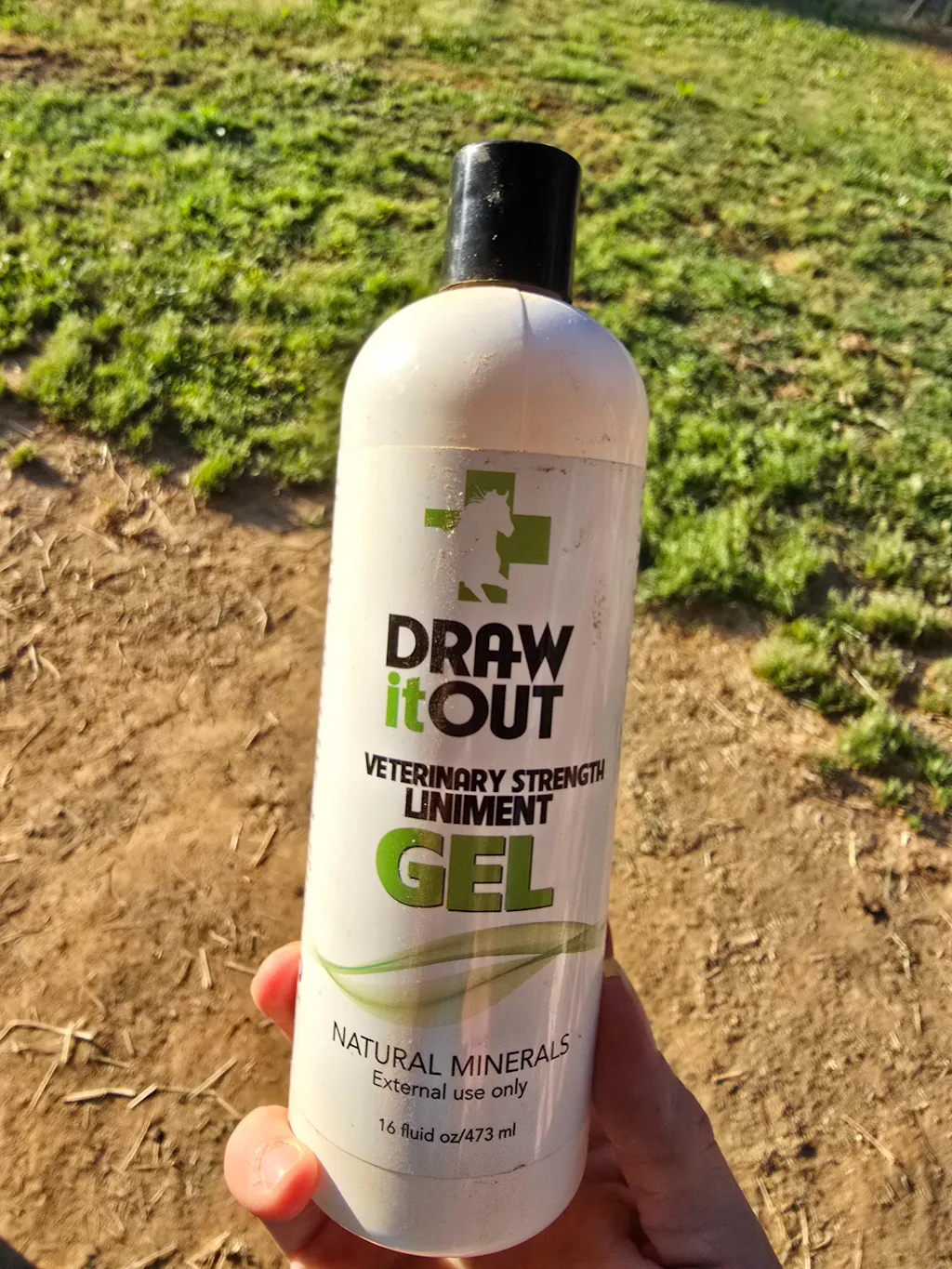
Liniment Gels
Explore the Draw It Out® liniment gel lineup for everyday use, post-work routines, and targeted recovery support.
Shop liniment gels
Draw It Out® Horse Health
A practical spring horse care guide for riders seeing slower recovery, duller movement, or less bounce between rides.
Quick answer: The between-ride recovery gap happens when a horse’s spring workload increases faster than their conditioning, hydration, turnout, footing, and post-ride care can support. The warning sign is not always a bad ride. It is a horse that does not feel as ready the next time.
A horse can finish a ride looking fine and still struggle to rebound before the next one. In spring, that gap often widens because everything changes at once: ground, weather, turnout, grass, workload, travel, and rider expectations.
The horse may still try. That does not mean the recovery system is keeping up.
The horse feels useful enough under saddle.
The horse feels dull, tighter, slower, or less willing to step into work.
The bounce-back window gets longer instead of shorter.
Between-ride recovery should route the rider to a clear decision, not a pile of vague links. Start with the horse in front of you, then choose the right care path.
Common causes include increased workload, changing footing, hydration gaps, insufficient conditioning, tack changes, hauling, weather swings, or incomplete cool down.
Not automatically. If the horse is uneven, painful, swollen, hot, dull, or worsening, stop and get qualified help. If the horse is mildly tight but improves, reduce workload and rebuild gradually.
Liniment gel can support a hands-on post-ride routine on clean skin when used as directed. It should not be used to hide pain, lameness, swelling, or a horse that needs veterinary care.
Where to go next: Use the Solution Finder, review Prehabilitation, or browse the liniment gel collection.
This article gives you the background. If you are ready to put the idea into a real horse care routine, these are the next places most riders should go.
Explore the Draw It Out® liniment gel lineup for everyday use, post-work routines, and targeted recovery support.
Shop liniment gelsMatch your horse’s workload, age, routine, and care goals to the Draw It Out® products that make the most sense.
Use the finderLearn how riders support soundness, comfort, and consistency before little issues become bigger problems.
Read the guideReal Barn Proof
Real riders. Real horses. Real routines. These clips rotate automatically so the proof stays fresh without weighing the page down with a long feed.
Why this matters: good horse care should make sense outside the ad. These clips show the kind of everyday use that builds trust one barn at a time.
Further Reading
Horse care works better when the next step is clear. These related reads help connect today’s topic to better daily decisions in the barn.
May 29, 2026
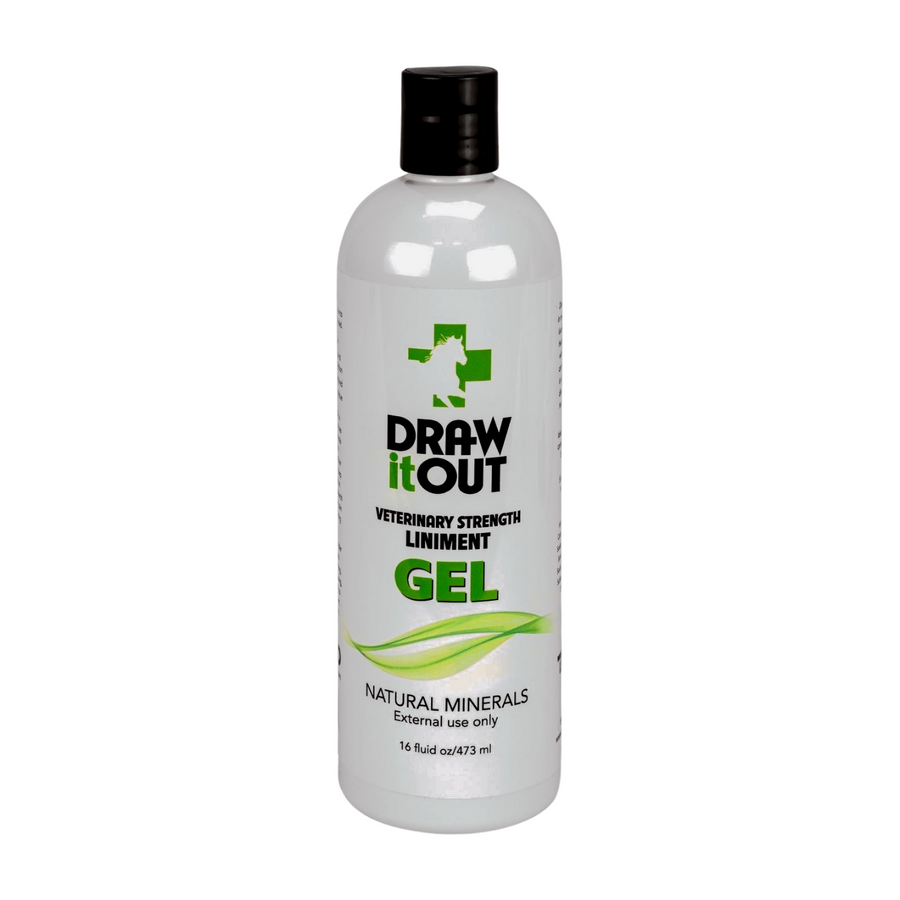
A daily horse liniment routine should be simple, repeatable, and easy to use after work. Here is how to choose a practical post-ride option.
Read article
May 28, 2026
A practical horse health routine for checking fly sheet rubs, blanket pressure points, shoulder marks, wither areas, belly straps, heat, sweat...
Read article
May 27, 2026
A practical horse health checklist for stiffness after turnout. Check gait, legs, hooves, heat, swelling, hydration, attitude, and recovery ro...
Read articleStart with the principle, then build the habit. The right article should make the next barn decision easier, not more complicated.
Next Step
Simple care guides, practical product paths, and rider-trusted tools built for real horses and real routines.
Good care gets easier when the next step is obvious. Read the guide, match the routine, then choose the format that fits how your barn actually works.
Recovery Routine
Want a smarter way to think through post-ride care, heat, swelling, leg support, and daily recovery decisions? Start with the Performance Recovery Hub.
Better recovery starts with a repeatable routine. The hub gives riders a clearer path from workload to product format to aftercare timing.
Rider Favorites
Four core Draw It Out® staples riders keep close for daily recovery routines, wash rack use, targeted support, and quick barn-side care.
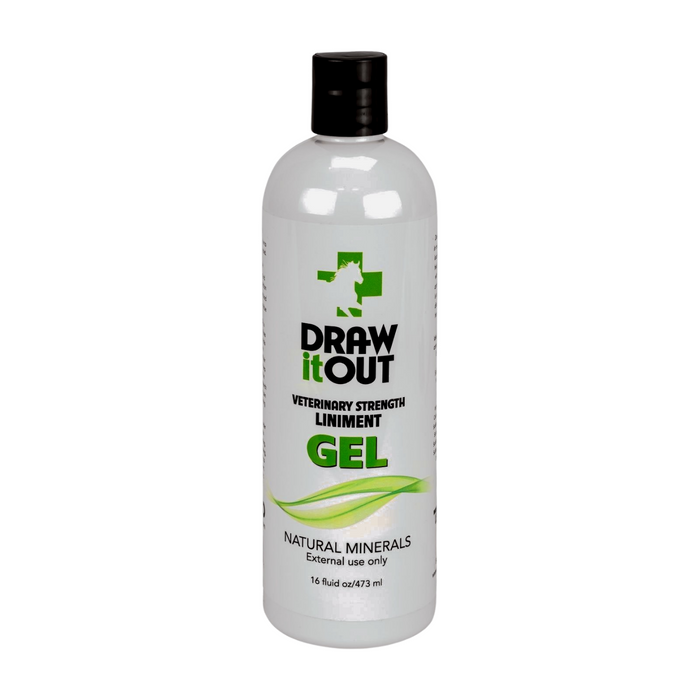
Stay-Put Gel
The everyday liniment gel format riders reach for when they want targeted, no-mess application.
View product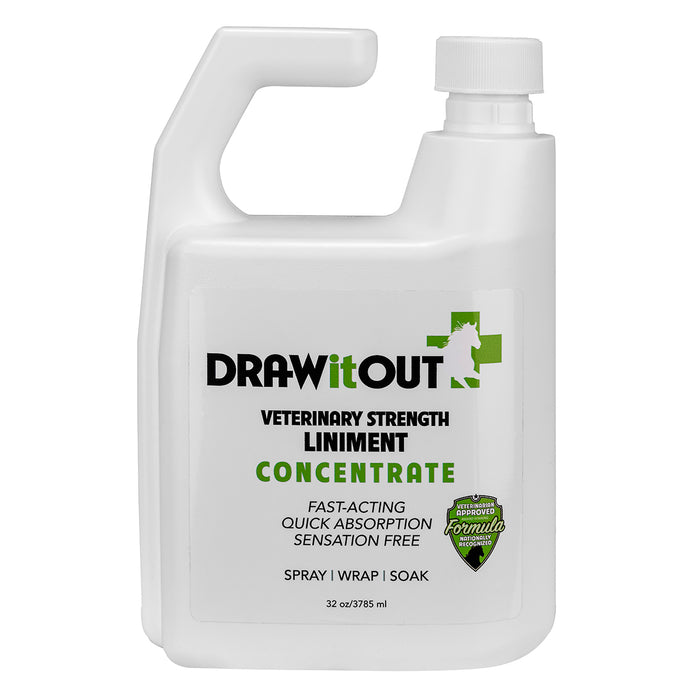
Mix Your Way
A flexible concentrate for riders who want to mix their own routine around workload and barn needs.
View product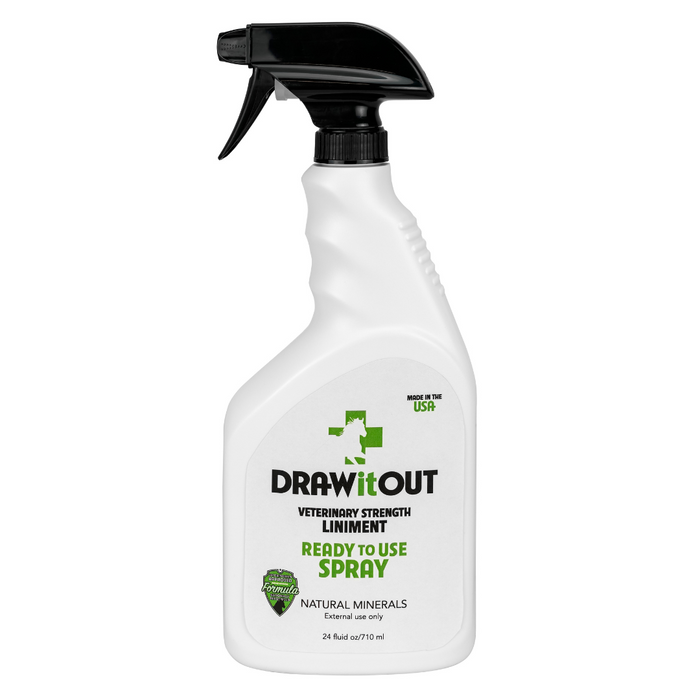
Ready To Use
A ready-to-use spray format for quick application after work, travel, turnout, or daily care.
View product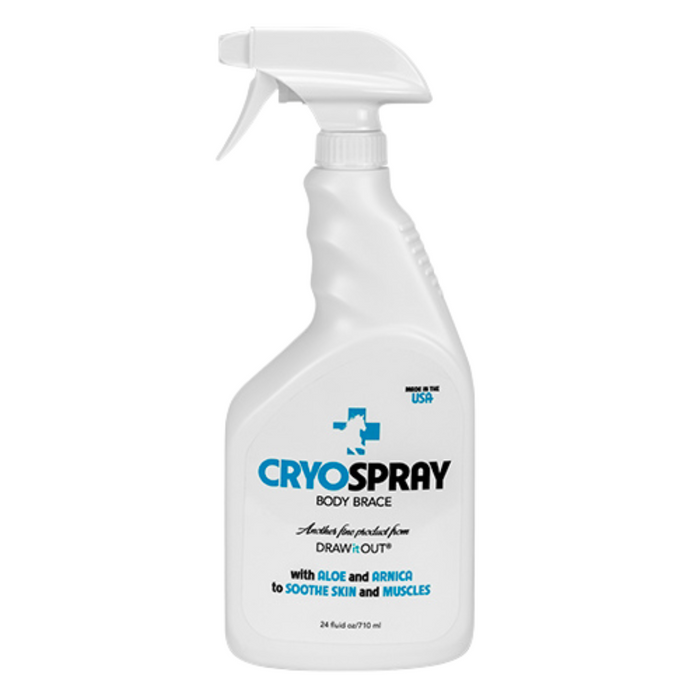
Cooling Brace
A cooling body brace spray for riders who want a fast, practical option after hard work or hot days.
View productFormat matters. Gel, concentrate, ready-to-use spray, and cooling spray each solve a different barn problem. Pick the one your routine will actually use.
!