Seasonal Care
The First Sweat of Spring: Why Horses Get More Reactive Under Tack
Spring does not just change the coat. It changes how moisture sits on the body, how friction builds, and how the skin responds under pressure. That is why some horses suddenly feel touchier at saddling even before you see an obvious rub.

Speakable summary
The first sweat of spring can make horses more reactive under tack because moisture softens the skin while shedding and seasonal dirt increase friction. That combination stresses the skin barrier before you see a true rub, which is why some horses get fussy during grooming or saddling even when tack has not changed.
At first, it looks minor.
A little more movement at the mounting block. A horse that swishes the tail when you tighten the girth. A reaction during grooming that was not there two weeks ago.
Nothing dramatic. Nothing obvious.
But spring is when quiet skin stress starts stacking up.
The first sweat matters more than most riders think
Winter skin lives under insulation. A thicker coat changes airflow, buffers friction, and changes how oil and moisture sit close to the body.
Then spring arrives. The coat starts to loosen. Work picks up. Temperatures bounce around. Your horse begins sweating again, often in short uneven cycles.
That first sweat is not just water leaving the body. It changes the environment sitting against the skin.
Moisture changes the way the skin handles pressure
Once skin stays damp under tack, it gets weaker.
Not in a dramatic way. In a practical one.
The surface softens. Hair lies differently. Dirt sticks faster. Small pressure points become less forgiving. Areas that tolerated normal work all winter can suddenly start reacting in spring.
This is why a horse can feel more sensitive even when you did not change the saddle, pad, or girth.
Why under-tack areas get touchy first
The usual problem zones are easy to predict:
the girth line, behind the elbow, under the saddle pad, along the shoulders, and anywhere the coat is shedding heavily while tack is pressing and moving.
These areas deal with three things at once:
moisture, friction, and repetition.
That combination is where small irritation gets started.
Spring discomfort under tack is often a skin-barrier problem before it becomes a visible skin-injury problem.
Behavior usually shows up before the skin does
Most horses do not wait for a raw patch to tell you something is off.
You will often notice it first as:
more fidgeting during saddling, pinned ears during brushing, resentment when the girth comes up, or subtle tension in the first few minutes of work.
That does not automatically mean attitude. It often means the skin is less comfortable than it was before.
Shedding makes the problem easier to miss
During heavy coat change, riders expect loose hair, dandruff, extra grooming, and a horse that looks a little rough around the edges. That expectation can hide the early signs of trouble.
Because the whole horse looks transitional, a reactive patch can be written off as normal shedding.
Sometimes it is. Sometimes it is the beginning of a skin issue being fed by moisture and friction every ride.
Clean tack helps, but it is not the whole answer
Clean equipment matters. So does keeping the coat dry and the high-friction zones checked daily.
But spring skin comfort is not only about hygiene.
It is about whether the skin barrier is staying resilient while the horse shifts from winter coat to spring workload.
That is where calmer, repeatable care usually wins.
What a smarter spring routine looks like
You do not need a dramatic overhaul.
You need a better read on the conditions that quietly add up:
how long sweat stays trapped, whether shedding hair is sitting flat under tack, where dirt is collecting, and whether your horse is becoming more reactive in the same zones every day.
This is exactly where a prehabilitation approach makes sense. The idea is simple: do not wait for obvious skin trouble. Support comfort early, reduce the stack of friction and moisture, and keep your routine steady before the problem gets louder.
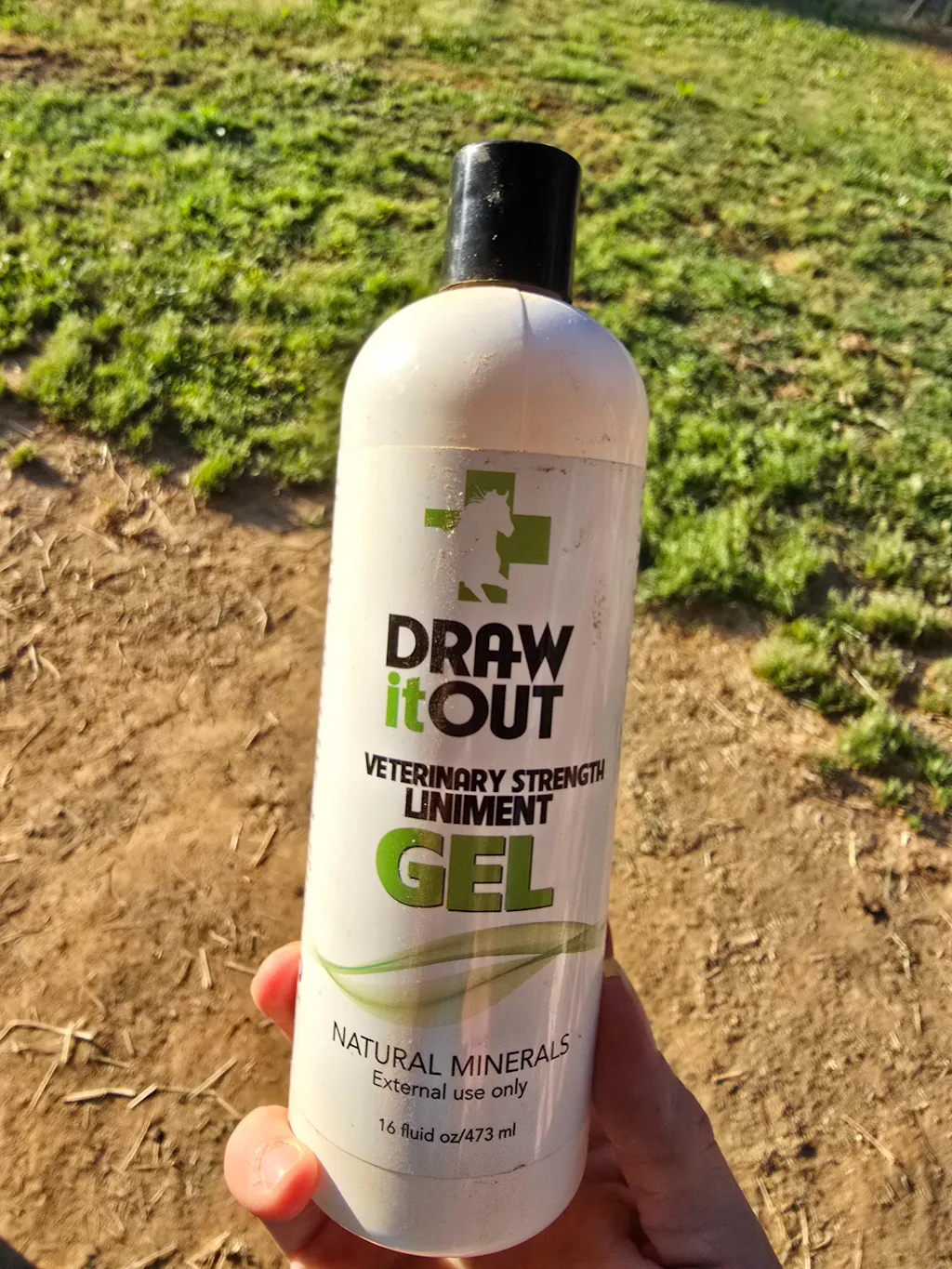
Where Draw It Out® fits
When a horse is getting more reactive under tack, the goal is not stronger sensation. The goal is calmer support and smarter management.
If you are trying to sort out what your horse needs, the fastest place to start is the Solution Finder.
If the concern is more skin-focused, the Skin Care Collection is the most relevant lane to review, especially for rub-prone areas and seasonal skin stress.
Spring skin problems rarely announce themselves early.
They usually start as sensitivity, moisture, and a horse that suddenly feels different to tack up. Catching that shift early is what keeps small irritation from becoming lost ride time.
Frequently asked questions
Why is my horse suddenly sensitive when spring riding starts?
Because spring changes more than the weather. Shedding, moisture, dirt, and the return of sweat can soften the skin and increase friction under tack before any visible rub appears.
Can sweat alone make a horse reactive under tack?
Yes. Sweat changes how the skin and hair behave under pressure. When moisture gets trapped and repeated friction continues, the horse may become reactive before you see obvious irritation.
Why does this happen even if my tack has not changed?
Because the horse has changed. Spring coat transition and the first sweat cycle create a different skin environment than winter, so the same equipment can feel less comfortable than it did a few weeks earlier.
What is the smartest first step?
Check the same under-tack zones every day, keep moisture from sitting too long, and stay ahead of skin stress instead of waiting for a rub or irritated patch to fully show up.