

Jun 06, 2026
A Simple Horse Care Routine That Actually Gets Done
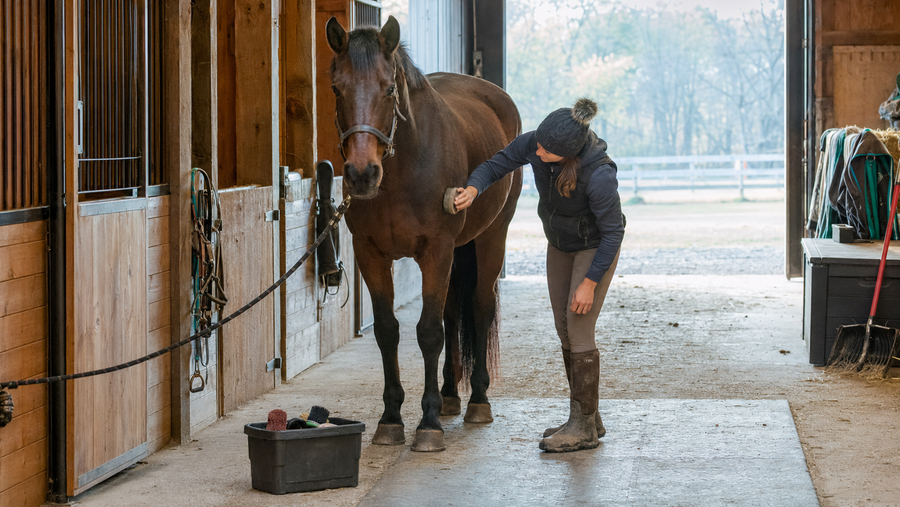
Build a repeatable horse-care routine for busy days with baseline checks, post-work follow-up, weekly maintenance, clear ownership, and s...

Real Rider Resource
Botulism is not a wait-and-see barn problem. It is a serious neurologic emergency where feed quality, fast recognition, and immediate veterinary care matter.
Botulism scares good horse owners because it can move fast and the early signs can look strange before they look obvious.
A horse may have trouble eating. Feed may fall from the mouth. The tongue may seem weak. Swallowing may look wrong. The horse may seem dull, weak, shaky, or not quite able to do normal things normally.
That is not the time to ask the group chat. That is the time to call the veterinarian.
Weakness, trouble swallowing, or feed falling from the mouth is an emergency conversation, not a product conversation.
Botulism risk is often discussed around contaminated feed, spoiled forage, haylage or silage concerns, carcass contamination, wounds, regional exposure risk, and vaccination decisions in areas where risk is known.
The exact risk picture depends on where you live, what you feed, and what the horse may have been exposed to. This is why your veterinarian is central to both prevention and response.
Draw It Out® products do not treat botulism. Nothing on the barn shelf should delay emergency care.
Products can support normal barn routines—hydration planning, stall cleanliness, skin comfort, and daily management—but botulism belongs with veterinary emergency response.
Botulism is a serious emergency. Know the warning signs, inspect feed, remove questionable sources, and call your veterinarian fast. The horse does not need hesitation. The horse needs action.
Educational only. This article is not a substitute for veterinary diagnosis or treatment. Suspected botulism, trouble swallowing, weakness, neurologic signs, recumbency, or rapid decline requires immediate veterinary care.
Conditioning works best when the horse gets time to adapt, not just more work to survive.
Build a repeatable horse-care routine for busy days with baseline checks, post-work follow-up, weekly maintenance, clear ownership, and s...

A Real Rider Resource guide for when a horse is still good but not quite himself: what to check before riding and when to ask for help.

A Real Rider Resource guide for what to check before changing bits so riders do not use equipment to hide a deeper issue.
Want a smarter way to handle soreness, heat, swelling, and post-ride leg care? Visit our Performance Recovery Hub for clear routines and product guidance.
Visit the Recovery Hub!