Frozen Ground Horse Care: Winter Soreness Prevention Guide for Riders
Reading time: ~6 minutes • Season: Hard freeze / winter impact management
When the ground freezes, everything changes. Footfalls hit harder. Joints absorb more shock. Muscles brace instead of soften. Even a normally sure‑footed horse can come up tight, short‑strided, or plain uncomfortable after a few days of hard ground.
Frozen footing doesn’t just affect performance—it affects long‑term soundness. The key is adjusting your routine before and after the ride so the body has the support it needs to handle winter’s toughest days.
How Frozen Ground Affects Your Horse
Hard winter footing creates a cascade of stress through the body:
- Higher concussion on heels, tendons, and joints
- Back and SI tightness from bracing steps
- Shortened stride due to reduced shock absorption
- Increased fatigue as stabilizer muscles work overtime
None of this means you can’t ride in winter—it just means winter requires a different kind of care.
Step 1: Pre‑Ride Leg & Back Prep
Before you saddle, take two minutes to warm the legs and loosen the back. Use slow grooming strokes along the topline and legs to stimulate circulation.
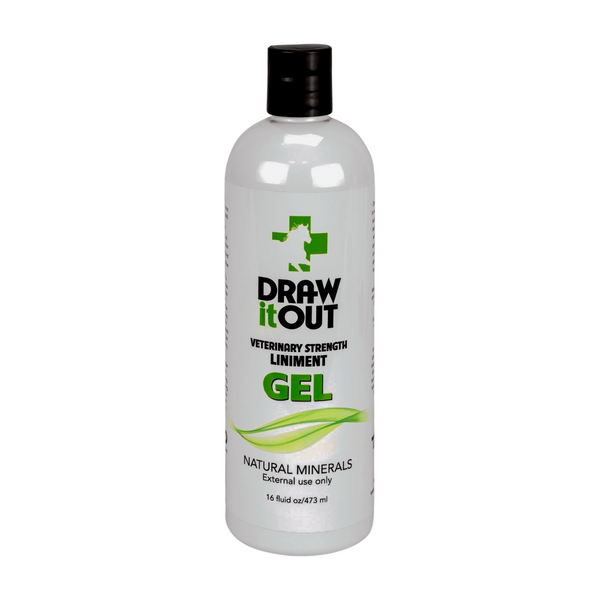
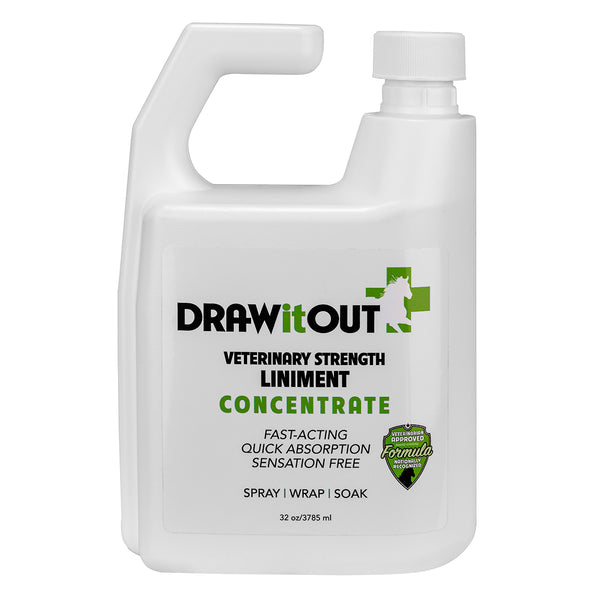
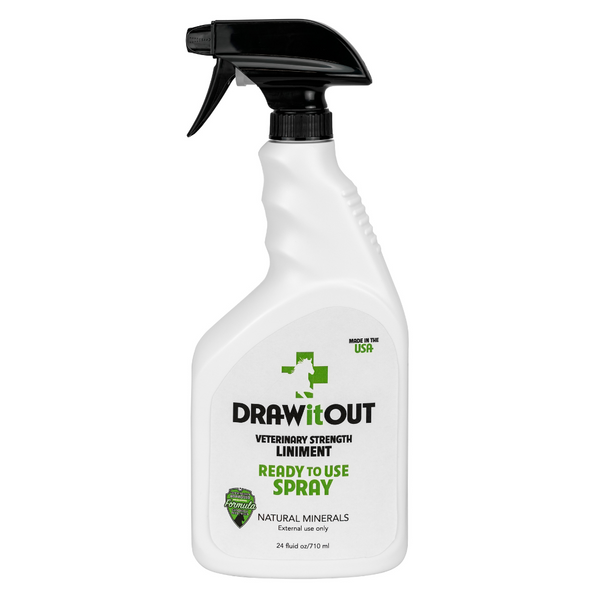
Then apply a thin layer of Draw It Out® High Potency Gel to the tendons, knees, and hocks. Frozen ground is all about impact—this gentle, sensation‑free support helps tissues stay more comfortable as they absorb harder steps.
Step 2: The Frozen‑Ground Warm‑Up Pattern
Give your horse time to adjust by using this progression:
- Minute 0–3: Long‑rein walk to wake circulation
- Minute 3–5: Big bending lines (no tight circles)
- Minute 5–7: Walk poles to lift the back without impact
- Minute 7–10: Slow, lifting trot—think “stretch,” not “frame”
This routine limits concussion early in the ride and helps the horse recruit the right muscles before you add demands.
Step 3: Protect the Back & Hindquarters
Horses brace more when the ground is uneven or freeze‑crusted. That tension often shows up in the lumbar, SI, hamstrings, and glutes.
For horses that stay tight in these areas, massage a small amount of MasterMudd™ EquiBrace into the lower back and hindquarters before the ride. Its fast‑absorbing formula supports deep‑tissue comfort—especially useful on freeze–thaw days.
Step 4: Ride Smart on Hard Ground
- Stay off rutted or uneven frozen patches when possible
- Avoid sharp turns that load joints unevenly
- Use more transitions, fewer tight circles
- Prioritize balance and straightness over speed or power
When footing is unforgiving, good riding is about strategy—not intensity.
Step 5: Post‑Ride Recovery That Prevents Tomorrow’s Soreness
After riding, walk for 8–10 minutes. Let the body unwind before the muscles cool. Then reapply Draw It Out® Gel to legs that took the most impact.
If your horse is especially stiff the next day, add a recovery massage with MasterMudd™ EquiBrace to help ease fatigue and protect long‑term comfort.
Bonus: Hydration Supports Joint Health
Many winter horses drink less when the water is ice‑cold. Supporting hydration directly helps joint cushioning and recovery.
Use Hydro‑Lyte® with GastroCell® during frozen‑ground periods to maintain electrolyte balance and encourage drinking.
Winter Impact‑Protection Kit
- Draw It Out® High Potency Gel
- MasterMudd™ EquiBrace
- Hydro‑Lyte® with GastroCell®
- Visit the Wisdom Library
Daily horse‑health insight lives inside the Draw It Out® Wisdom Library.