Jan 05, 2026
Winter Horse Coat Care: Prevent Dry Skin, Dull Coats, and Blanket Rubs
Cold weather is hard on your horse’s skin and coat. This Real Rider Resource breaks down winter grooming, blanket rub prevention, and how...

What they do, when horses lose them, and how to support recovery after riding, heat, and stress without overdoing it.
Electrolytes are minerals that help regulate nerve function, muscle movement, hydration, and overall balance in the horse’s body. The primary electrolytes in horses include sodium, chloride, potassium, calcium, and magnesium.
These minerals work together to support normal muscle contraction, fluid balance, and post effort recovery. When electrolyte balance is off, horses often show it in small ways before anything looks obvious.
Horses lose electrolytes primarily through sweat.
Sweat is not just water. It carries minerals out of the body, especially during:
Electrolyte loss does not always show up as dramatic dehydration. More often, it appears as small changes riders feel before they see.
These signs are often mistaken for training issues or fitness gaps when recovery support and routine are the real missing piece.
Water alone does not replace electrolytes. Hydration keeps fluid moving through the body. Electrolytes help the body use that fluid effectively.
A horse can be well hydrated and still be behind on electrolyte recovery, especially after repeated work, heat exposure, or stress. Understanding the difference helps riders support recovery more intentionally instead of reactively.
One of the biggest misconceptions around horse electrolytes is that more is better. In reality, when recovery support happens often matters more than how much.
The post ride window is when the horse’s body is actively trying to rebalance. Supporting recovery during this window helps muscles relax, circulation normalize, and tension release naturally.
Electrolyte recovery does not need to be aggressive to be effective. Smart support focuses on timing around work and stress, avoiding unnecessary overload, and building a routine your horse understands.
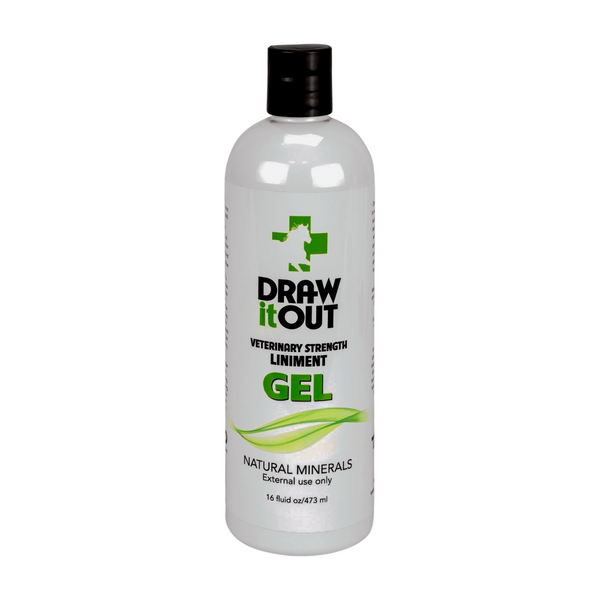
For many riders, recovery also includes topical comfort support as part of the cool down routine. A liniment gel can be one piece of that routine when the goal is calm, consistent post ride care.
Cold weather is hard on your horse’s skin and coat. This Real Rider Resource breaks down winter grooming, blanket rub prevention, and how...

Prehab isn’t theory — it’s practical, daily actions that create sounder horses. Hydration plus external recovery produces visible changes...

Every rider warm ups. Few riders cool down correctly. Here’s why the cool-down is the most important part of your horse’s recovery, and h...
Simple, rider-trusted tips and tools.
Want a smarter way to handle soreness, heat, swelling, and post-ride leg care? Visit our Performance Recovery Hub for clear routines and product guidance.
Visit the Recovery HubFour core Draw It Out® staples riders reach for daily.
!