Colic is one of the most feared words in the horse world. It refers to any form of abdominal pain, ranging from mild gas buildup to severe, life-threatening intestinal twists. Regardless of severity, all colic cases require prompt attention and informed management.
What Causes Colic in Horses?
Common contributors to colic include:
- Gas buildup from rich hay or sudden feed changes
- Impaction or blockage in the intestines
- Twisted or displaced gut segments (torsion or volvulus)
- Sand ingestion, especially in dry or overgrazed areas
- Parasites, stress, dehydration, or poor gut motility
Common Signs of Colic
- Pawing, rolling, or repeated restlessness
- Looking at, biting, or kicking the flanks
- Lack of appetite or reduced manure output
- Frequent lying down or stretching as if to urinate
- Elevated heart rate or shallow, rapid breathing
What to Do if You Suspect Colic
- Contact your veterinarian immediately
- Remove feed and hay while keeping fresh water available
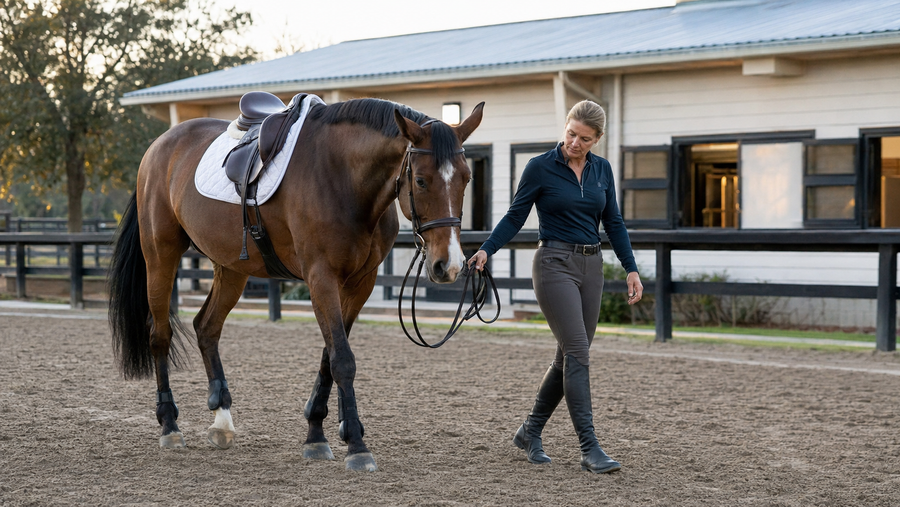
- Walk your horse if safe to do so
- Monitor vital signs and manure production
- Avoid administering medication without veterinary guidance
Prevention Tips
- Maintain consistent, high-fiber feeding routines
- Ensure constant access to clean, fresh water
- Provide daily turnout and regular exercise
- Stay current on dental care and deworming
- Introduce dietary or management changes gradually
Why Colic Awareness Matters
Colic can escalate rapidly and may become fatal without timely intervention. Early recognition and fast action significantly improve outcomes. When in doubt, always call your veterinarian. With colic, caution saves lives.