Jun 14, 2026
The 10-Minute Barn Check Every Rider Should Know
A practical Real Rider Resource checklist for catching small barn changes before they become bigger horse-care problems.

Real Rider Resource
A practical rider-awareness guide for horses that lean, fall in, or drop a shoulder through turns, circles, barrels, corners, and pattern work.
Short answer: When a horse drops a shoulder in turns, do not start by blaming attitude. Check direction patterns, footing, rider balance, tack fit, hoof balance, fatigue, soreness, and whether the horse improves after a proper warm up.
A horse dropping a shoulder means the horse is falling inward or loading one side instead of staying balanced through the turn. It often feels like the horse is leaning into the inside shoulder, ignoring the outside aids, or steering with the front end instead of carrying through the body.
Real riders usually describe it as falling in on circles, diving through a barrel, leaning on the inside rein, cutting the corner, or feeling much worse one direction.
If the shoulder drop happens equally both ways, look hard at rider position, footing, general fatigue, tack fit, and conditioning. If it happens mainly one direction, the horse may be weaker, tighter, less coordinated, or less comfortable on that side.
If the horse starts heavy, then improves after walking, bending, and gradual work, you may be looking at normal stiffness, cold-start tension, or lack of engagement early in the ride. If the horse gets worse as the ride goes on, fatigue may be part of the picture.
A rider who tips inside, collapses a hip, pulls the inside rein, looks down, or braces through one stirrup can teach the horse to fall in. Video helps because the feeling in the saddle is not always the truth.
Do not punish the shoulder drop as your first move. Do not pull harder on the inside rein. Do not keep drilling tight circles if the horse is getting worse. Slow the problem down and make a cleaner decision.
Then follow with a normal post ride check. The Draw It Out® Solution Finder can help riders choose the right care path without guessing.
Topical care does not fix training, shoeing, saddle fit, or pain. But a consistent post work routine can help riders pay closer attention after demanding rides, repeated turns, hauling, hard ground, or show weekends.
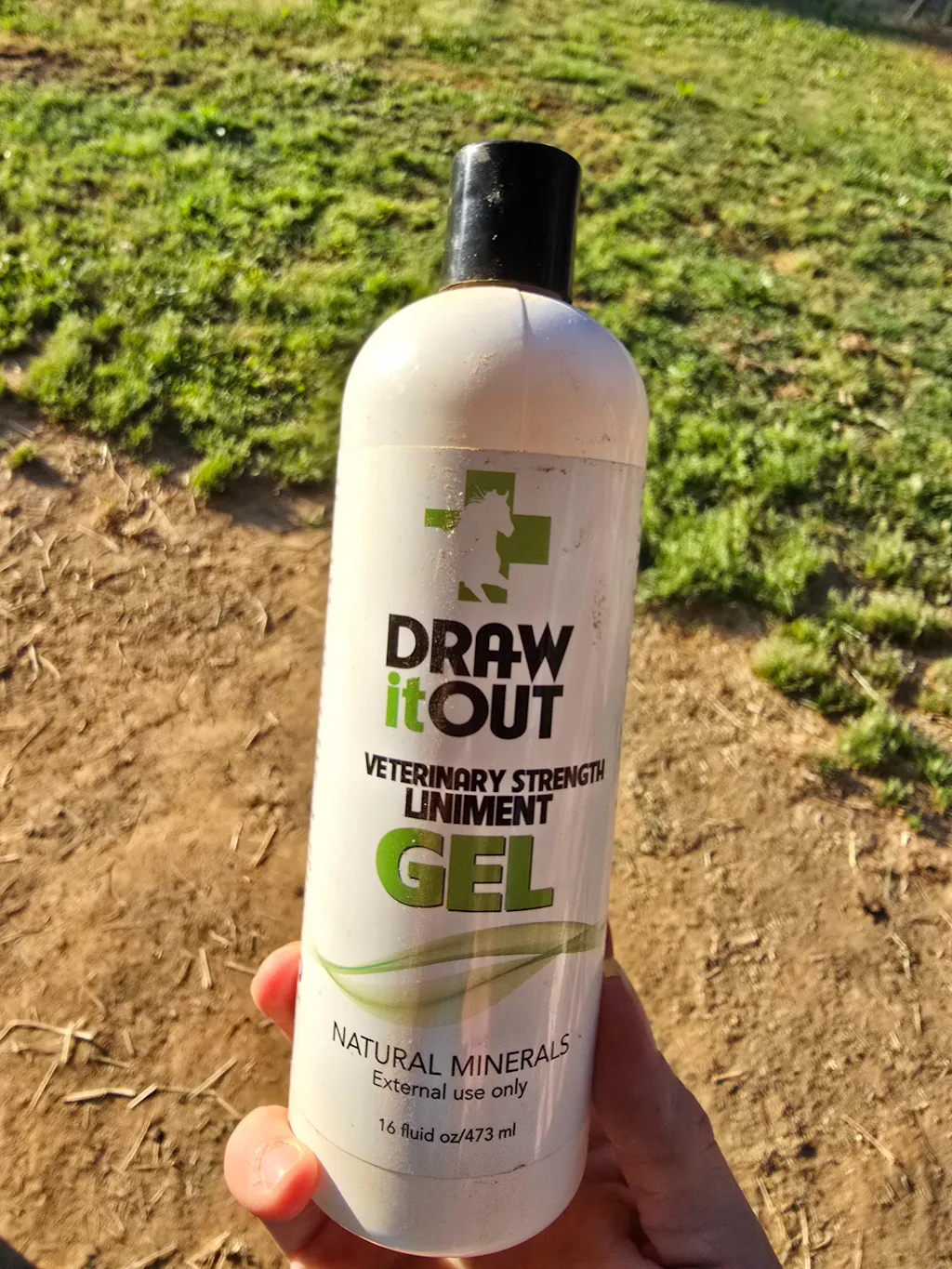
For everyday post ride checks, many barns start with Draw It Out® 16oz Liniment Gel. For broader heat and summer work, compare options in Cooling Recovery.
A horse may drop a shoulder because of rider balance, weak engagement, fatigue, footing, tack fit, hoof balance, discomfort, or training gaps. The pattern matters most.
No. Pulling the inside rein often makes the horse fall more onto the inside shoulder. Use a bigger turn, more forward rhythm, better rider balance, and outside aids.
Yes. Poor saddle fit, girth discomfort, pad changes, or seasonal body changes can affect how a horse uses the shoulders and back.
Where to go next: Use the Solution Finder, review the Safety Guide, or compare recovery options in Cooling Recovery.
Prehabilitation is not about doing more. It is about doing the right small things consistently.
A practical Real Rider Resource checklist for catching small barn changes before they become bigger horse-care problems.

Stop guessing at the barn shelf. Learn how to match soreness, skin care, hoof care, grooming, and recovery needs to the right horse care ...
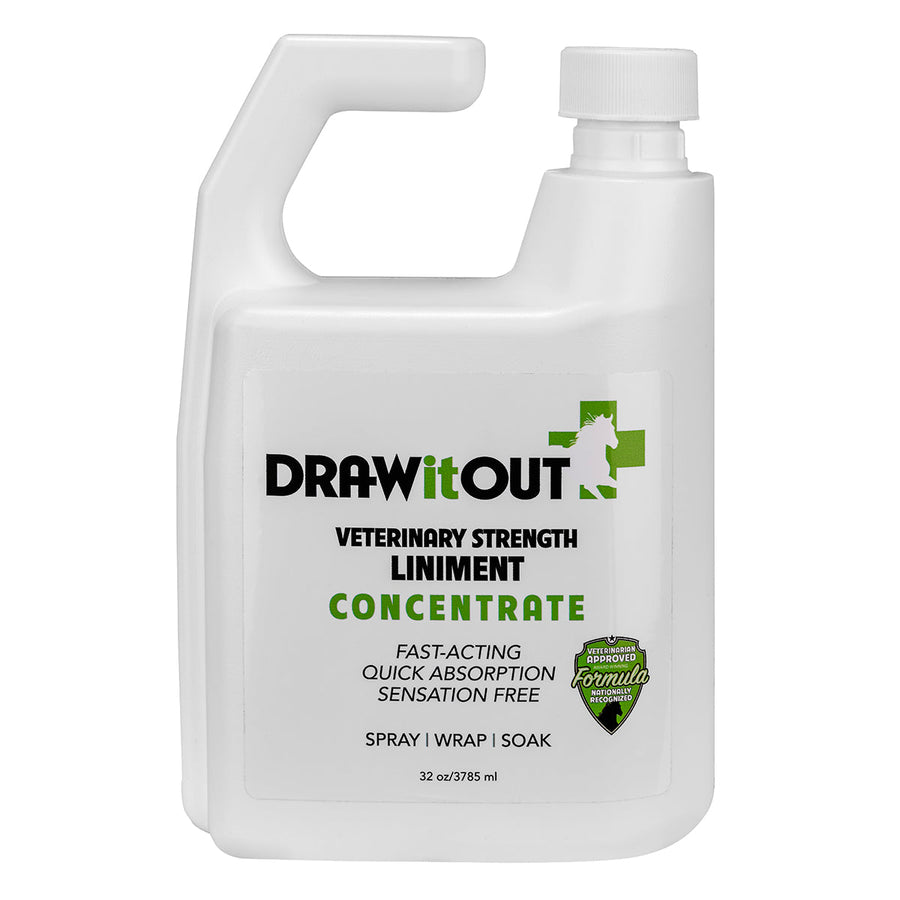
A practical Real Rider Resource article on why tack shops, feed stores, barns, clubs, and equine media should add useful horse health edu...
Want a smarter way to handle soreness, heat, swelling, and post-ride leg care? Visit our Performance Recovery Hub for clear routines and product guidance.
Visit the Recovery Hub!