March 2026 Real Rider of the Month: Abby Pacheco
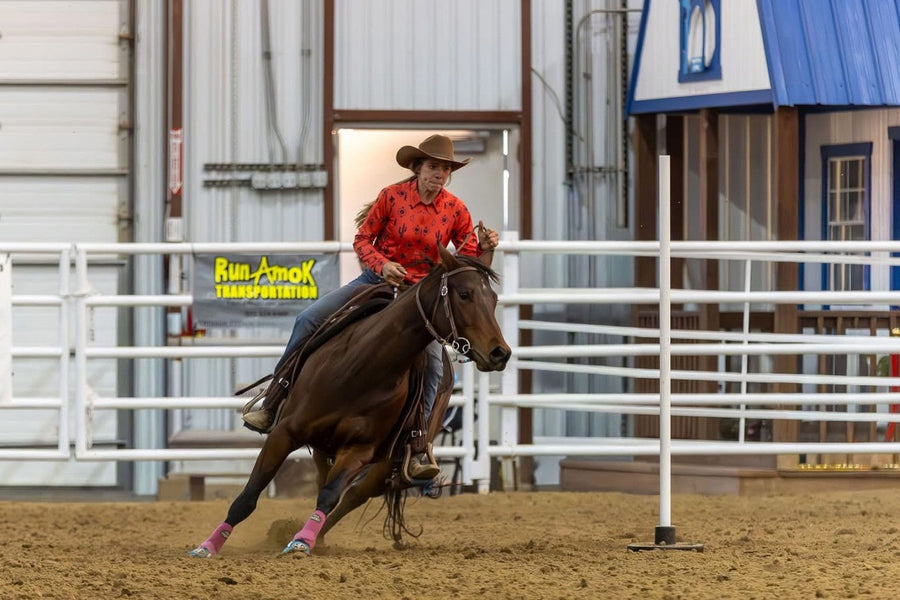
March took the scenic route. Meet Abby Pacheco, our belated March 2026 Real Rider: a Colorado trainer, barrel racer, and backcountry rider with a mare full of personality.

Draw It Out® Horse Health Care News
Heat does not always come in loud. Sometimes it shows up as a horse that takes longer to cool, a stride that shortens on the walk back, or a back that feels tighter than it did yesterday.
That is where real horsemanship lives.
Not in the perfect photo. Not in the clean tack room. Not in the caption about how blessed everyone is.
It lives in the five quiet minutes after the ride, when the horse is tired, the rider is dusty, and the truth is sitting right there if somebody has enough discipline to look.
If the horse feels different after work, believe the horse before you believe your plan.
Most riders get in a hurry right after the ride. They loosen the cinch, check their phone, talk at the trailer, grab a drink, and assume the horse is fine because the horse is still standing there being a horse.
That is lazy horsemanship dressed up as efficiency.
Before you strip tack and move on, take a minute and read what is in front of you.
Hot weather stacks pressure on a horse. Work, hauling, hard ground, humidity, dust, tack pressure, and sweat all pile up. A simple check keeps you honest.
Run your hands over the neck, shoulder, back, loin, and hindquarters. Warmth after work is normal. Uneven heat, sharp reactions, tight bands of muscle, or a horse that flinches where they usually do not should get your attention.
Feel each leg with intention. Look for filling, heat, sensitivity, or a horse that suddenly does not want to turn, step under, or walk freely. Hard ground does not care about your show schedule.
Check under saddle pads, girths, boots, wraps, chest straps, and pressure points. Sweat and dirt love to hide where tack sits. That is how small rubs become barn problems.
Offer water and keep paying attention. Hydration is not one bucket and a prayer. Watch drinking behavior, manure, gum moisture, attitude, and how the horse recovers after the ride.
A good post-ride routine is not dramatic. Walk the horse out. Loosen tack. Get air moving. Rinse and scrape when appropriate. Get sweat and dirt off the places where tack sat. Let the horse actually return toward baseline before deciding the day is done.
If the horse worked hard, hauled hard, or rode on hard ground, support the body before stiffness gets a vote tomorrow.
Barn routine
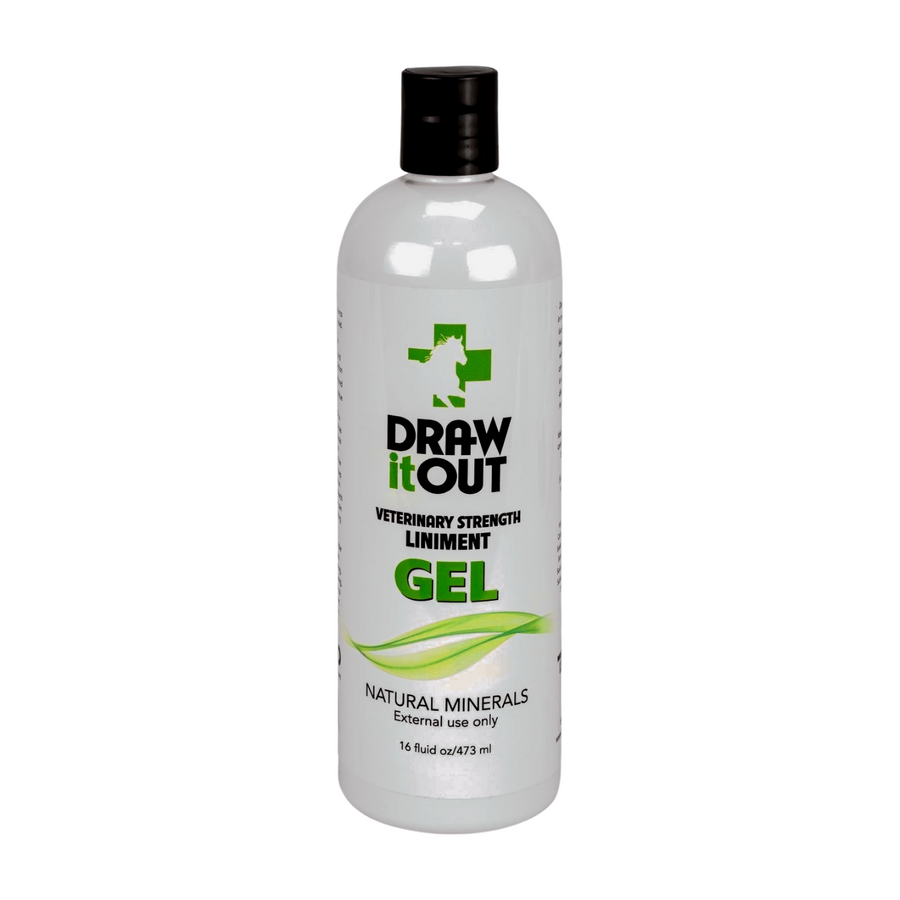
For clean post-ride muscle and leg care, Draw It Out® 16oz Liniment Gel fits the kind of routine real barns actually use. No big production. No overpowering barn aisle smell. Just a practical way to support the horse after work.
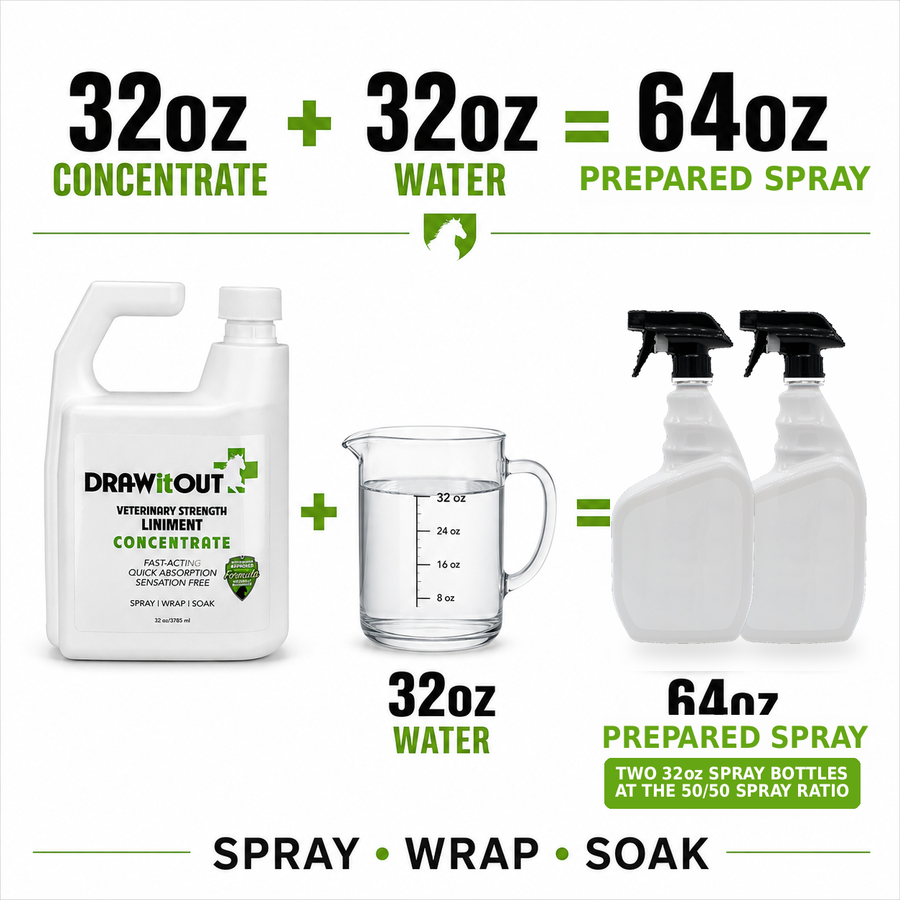
For larger-area use, wash rack routines, and flexible barn application, Draw It Out® 32oz Liniment Concentrate gives you room to work.
There is nothing soft about paying attention. Hot weather does not require panic. It requires a rider willing to slow down, put hands on the horse, and notice what changed before small things become expensive things.
Check the horse. Cool them down right. Support what needs support. Then ride smarter tomorrow.
March took the scenic route. Meet Abby Pacheco, our belated March 2026 Real Rider: a Colorado trainer, barrel racer, and backcountry rider with a mare full of personality.
There is no universal application count. Use this seven-day bottle-life test to choose between 16oz single, two-pack, four-pack, and 64oz Gel.
See the 32oz horse liniment concentrate math, cost per prepared ounce, mixing discipline, and the exact barn routines where concentrate earns its space.
!