


Jul 29, 2026
Horse Sensitive After a New Saddle Pad? What Owners Should Check
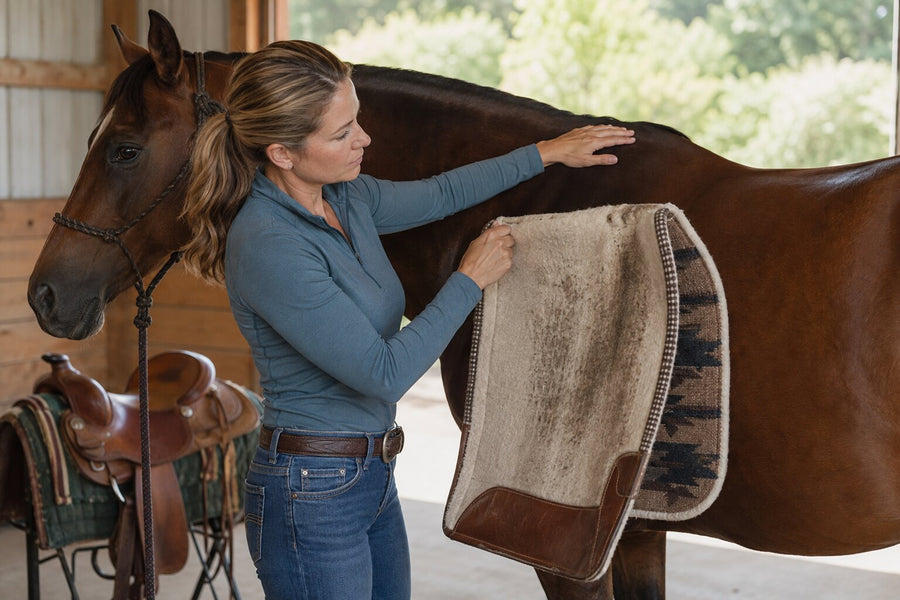
A practical horse health guide for sensitivity after a new saddle pad: sweat marks, dry spots, pad edges, saddle balance, and when to cal...

Draw It Out® Horse Health Care News
Alternative therapies can be useful tools, but they work best when they support sound horsemanship, veterinary guidance, conditioning, and clear daily observation.
Horse care gets complicated when every new tool is treated like the answer.
Massage, bodywork, chiropractic care, PEMF, stretching, cold therapy, topical products, supplements, and recovery devices can all have a place. None of them replace knowing the horse, building fitness correctly, checking tack, keeping farrier work on schedule, and calling the veterinarian when the horse is not right.
Support is not a substitute. Every tool needs a job.
Topical care belongs in the daily routine when the horse has clean, appropriate skin and the rider has a clear reason for using it. It can support post-work care, hauling routines, grooming checks, and body awareness.
It does not belong as a way to cover up lameness, sharp pain, heat, swelling, open skin, or a horse that is telling you something is wrong.
Draw It Out® products fit the practical topical-care lane: routine post-work support, grooming observation, hoof and skin awareness, and daily consistency. They should sharpen the system, not make it noisier.
Read Prehabilitation or use the Solution Finder.
Alternative therapy is valuable when it is honest. Pick the right tool, use it correctly, and never let it replace the basics that actually keep horses sound, useful, and comfortable.
A practical horse health guide for sensitivity after a new saddle pad: sweat marks, dry spots, pad edges, saddle balance, and when to cal...
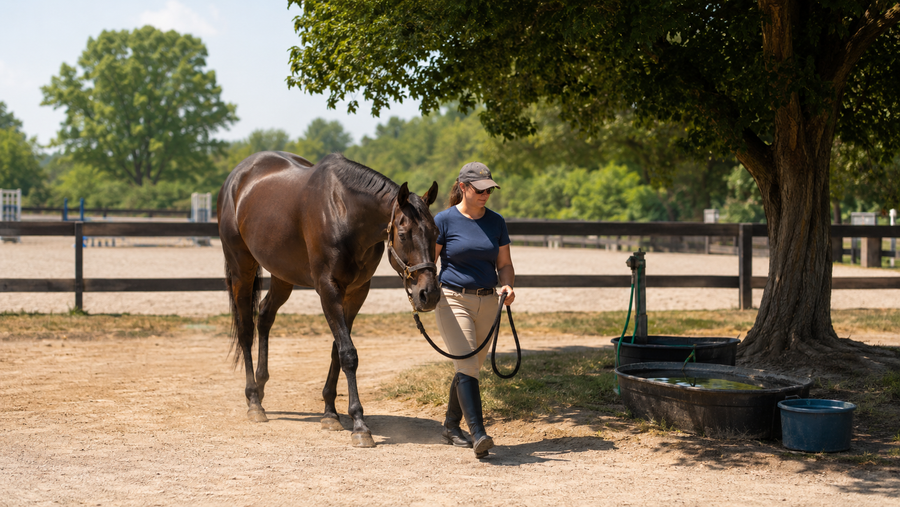
Canterbury Park canceled July 26 racing after projected heat indices above 105°F. Here is what riders and horse-event organizers should b...
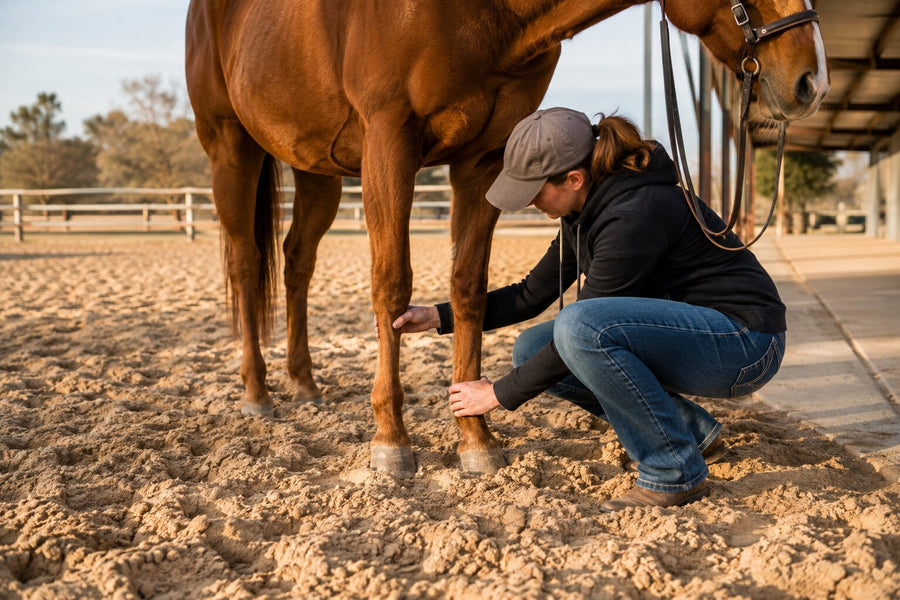
A practical horse health guide for fetlock puffiness after deep sand: heat, pain, symmetry, boot marks, footing depth, and vet red flags.
!