Draw It Out Horse Health Care Solutions does not diagnose, treat, cure, or prevent disease. The educational information below is offered to help horse owners make informed care decisions. Always work with your veterinarian when evaluating lameness, injury, infection, swelling, or unresolved pain.
Quick answer: If a horse feels back tight after a saddle change, check the saddle, pad, girth, wither clearance, sweat pattern, behavior while tacking, and the first steps under saddle. Stop and get qualified help if the horse shows pain, lameness, bucking, swelling, heat, wounds, or a major behavior change.
A new saddle pad, different cinch, borrowed saddle, longer ride, new rider, or small fit change can show up in the horse’s back fast.
The horse may not tell you with drama. Sometimes the message is smaller: pinned ears, a tight walk-off, a hollow back, short stride, or a horse that suddenly does not want to stand for saddling.
Start with behavior at the tack area
Watch the horse before the ride ever starts. Ears, tail, skin twitching, stepping away, biting at the air, or bracing while the girth is tightened can all be information.
Read the sweat pattern carefully
Sweat patterns are not a full saddle-fit exam, but they are useful clues. Look for rubs, dry spots, uneven sweat, hair disruption, and areas where the saddle or pad seems to move.
Do not blame attitude first
A horse that changes behavior after a tack change deserves a physical check before being labeled difficult. Back tightness can connect to fit, workload, footing, conditioning, rider balance, or something completely separate that needs professional evaluation.
Where Draw It Out® fits
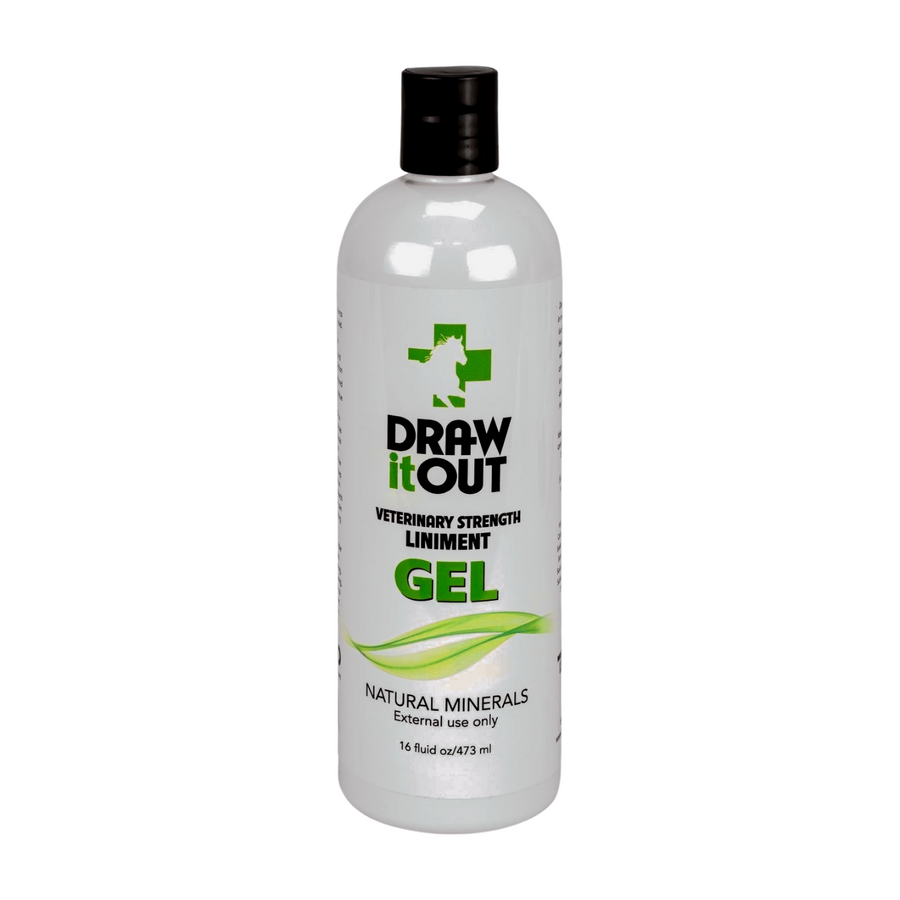
After you have checked the horse, ruled out red flags, and made tack changes as needed, Draw It Out® 16oz Liniment Gel can fit into a normal post-ride body-care routine for riders who want a sensation-free liniment gel without heavy odor or harsh tingle.
Simple saddle-change check
Watch. Behavior while tacking and first steps under saddle.
Inspect. Pad line, sweat pattern, girth area, withers, and back sensitivity.
Adjust. Do not keep riding the same setup if the horse keeps objecting.
Support. Use Draw It Out® 16oz Liniment Gel as part of normal care or explore the Draw It Out® Liniment collection.
When to call your veterinarian or saddle fitter
Call your veterinarian for sudden pain, lameness, swelling, heat, wounds, major behavior change, or unresolved soreness. Bring in a qualified saddle fitter when the issue follows tack changes, pressure patterns, or repeated back sensitivity under the same setup.
FAQ: Horse back tightness after saddle changes
Can a saddle pad change make a horse sore?
A pad change can affect fit, balance, pressure, and movement. If behavior or movement changes after the pad change, check the full tack setup.
Should I ride through back tightness?
Do not ride through pain, lameness, swelling, heat, bucking, or major behavior change. Stop, check the horse, and get qualified help if needed.
What should I check first?
Check behavior while tacking, wither clearance, pad placement, girth area, sweat pattern, and the horse’s first steps.
Where does Draw It Out® Liniment Gel fit?
Draw It Out® Liniment Gel fits into normal post-ride body care after the horse has been checked and warning signs have been ruled out.
This article is general horse care education and is not veterinary advice. For sudden pain, lameness, swelling, wounds, heat, unresolved soreness, or major behavior changes, contact your veterinarian.