How Long Does a 16oz Horse Liniment Gel Bottle Last?
There is no universal application count. Use this seven-day bottle-life test to choose between 16oz single, two-pack, four-pack, and 64oz Gel.

Draw It Out® Horse Health Care News
By Jon Conklin · August 4, 2026
A rider in Texas asked a fair question: after seeing another liniment leave her horse with a rash, should she wait until seven or eight at night before using Draw It Out® Gel?
Short answer: Hot daytime weather alone does not mean you have to wait until evening to use Draw It Out® Liniment Gel. It is made without menthol, camphor, capsaicin, alcohol, or witch hazel and is not designed to create the heat, burn, or tingle associated with many traditional liniments. The horse's body temperature, skin condition, and recovery matter more than the clock.
That distinction matters. The temperature outside and the sensation created by a topical are two different things. A hundred-degree afternoon does not turn Draw It Out® into a hot liniment. At the same time, no topical should distract you from a horse that still needs shade, water, airflow, active cooling, or veterinary attention.
In summer, look at the horse before looking at the bottle. If the horse has just worked, hauled, stood in direct sun, or is breathing harder than expected, deal with heat load first. Liniment belongs in the care routine after the horse's immediate cooling needs are being handled.
| What you observe | Best next move |
|---|---|
| The horse is hot from work, breathing hard, or not recovering normally | Prioritize shade, water, airflow, active cooling, and professional guidance when recovery is concerning. |
| The coat is sweaty, dirty, or gritty | Clean the selected area and let it dry before applying Gel. |
| The skin is clean, dry, intact, and the horse is recovering normally | Apply Draw It Out® Gel according to the current label and spread it evenly across the target area. |
| The skin is sunburned, rubbed, rashy, raw, or already irritated | Do not cover the problem with another topical. Stop and determine what the skin needs first. |
| There is sudden one-sided heat, marked swelling, pain, lameness, fever, or a wound | Choose evaluation before routine product use. |
Plenty of riders learned liniment through products designed to feel dramatic. Menthol, camphor, capsaicin, alcohol, and similar ingredients may create heating, cooling, stinging, or tingling sensations. Put the wrong product on reactive skin, add sweat, friction, direct sun, or a tight wrap, and a bad experience can follow.
That history explains the hesitation. It does not mean every liniment works the same way. Draw It Out® was built around a different idea: the rider should judge the routine by the horse, the area, and what can be observed, not by whether a hand tingles or a medicinal smell fills the barn.
For a deeper explanation, read Does Horse Liniment Have to Burn to Work?
Theatrical sensation is not proof. Quiet observation is still the rider's best instrument.
Direct sunlight increases the horse's overall heat load. That is a horse-management concern whether liniment is present or not. It does not act like a switch that suddenly makes Draw It Out® Gel burn.
If a horse is comfortable, recovering normally, and has clean, intact skin, daytime application can fit. If the horse is overheated or the skin is already sunburned or irritated, address that problem first. Gel is part of routine care. It is not a replacement for cooling or a reason to ignore damaged skin.
Use the full horse summer care checklist for heat, hydration, airflow, work, and recovery decisions beyond liniment.
Draw It Out® Gel is made for routine use, including sensitive-skinned horses, without the burn-and-blister approach found in many traditional liniments. That does not mean no individual horse can ever react.
Yes. Draw It Out® Liniment Gel can be used beneath properly fitted pads, boots, and wraps according to the current label. Summer does make moisture management and fit more important. Start with clean skin, use clean and dry wrapping materials, apply wraps correctly, and recheck the horse early.
Do not trap sweat, dirt, grit, or unexplained skin irritation under equipment. Product choice cannot make a poor wrap safe.
Both can belong in the same barn, but they do different jobs. We do not recommend physically mixing them together or blindly layering both on the same area under a wrap.
Use Gel when you want a ready-to-apply liniment step. Use MasterMudd™ EquiBrace™ when you want a heavier clay-brace or poultice-style routine. They can be used on different areas or during separate application windows when each product has a clear job and its own current label is followed.
See the complete MasterMudd™ vs. Draw It Out® Gel comparison guide.
Do not let a summer-care question hide a bigger concern. Sudden lameness, significant heat, rapidly increasing swelling, pain, fever, a puncture, a concerning wound, or recovery that is not progressing normally deserves qualified evaluation. A familiar product routine should never be used to push a horse through a change that needs attention.
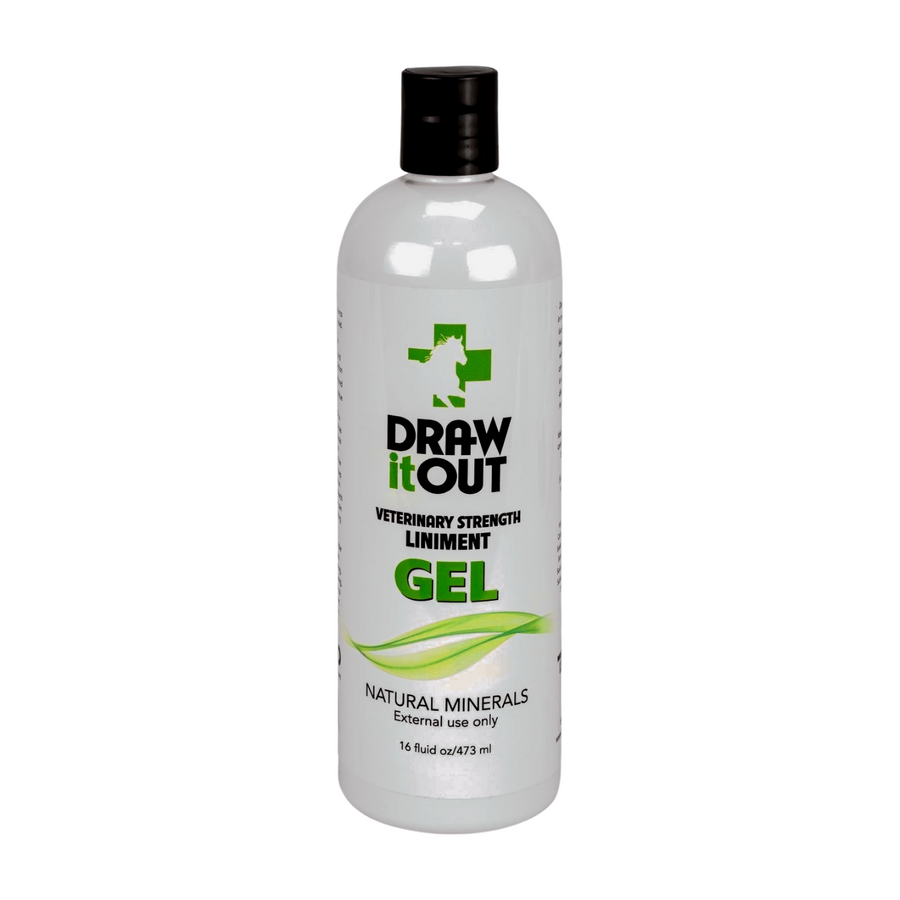
Draw It Out® 16oz Liniment Gel is ready to apply, stays where you place it, and does not rely on menthol, camphor, capsaicin, alcohol, or witch hazel to create a performance on the skin.
Shop Draw It Out® 16oz Gel Read the Timing GuideYes. Hot daytime weather alone does not require waiting until evening to use Draw It Out® Liniment Gel. Cool the horse first after work, then apply according to the current label on clean, dry, intact skin.
That depends on the exact product and ingredients. Draw It Out® Liniment Gel is made without menthol, camphor, capsaicin, alcohol, or witch hazel and is not designed to create heat, burn, or tingle. Direct sun still adds to the horse's overall heat load, so cooling and shade come first when needed.
Yes. Finish the cool-down, address body heat and breathing, remove sweat and dirt from the selected area, and then apply the liniment according to its current label.
Yes, when used according to the current label beneath correctly applied, properly fitted wraps. Hot weather makes clean skin, dry materials, correct tension, and early rechecks especially important.
We do not recommend physically mixing them or blindly layering both on the same area under a wrap. They can be part of the same overall routine when each has a separate job, such as different areas or separate application windows, while following each product's current label.
Educational horse-care information only. Follow current product labels and contact your veterinarian when a concern is serious, unusual, painful, or persistent.
There is no universal application count. Use this seven-day bottle-life test to choose between 16oz single, two-pack, four-pack, and 64oz Gel.
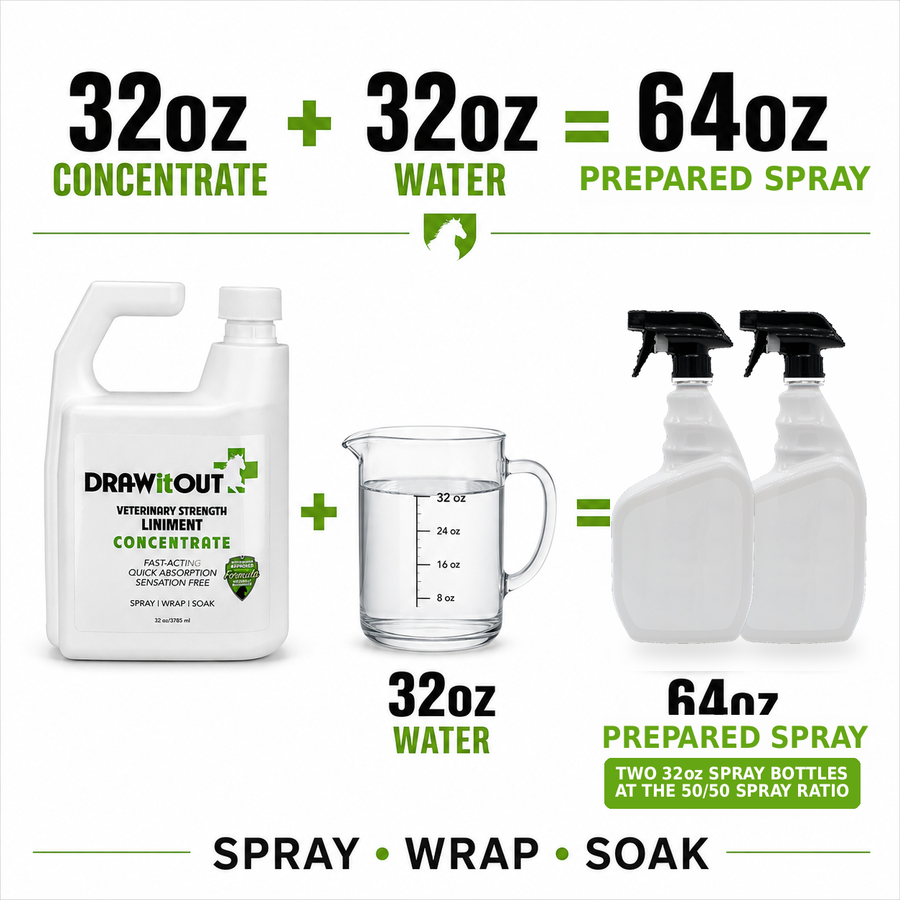
See the 32oz horse liniment concentrate math, cost per prepared ounce, mixing discipline, and the exact barn routines where concentrate earns its space.
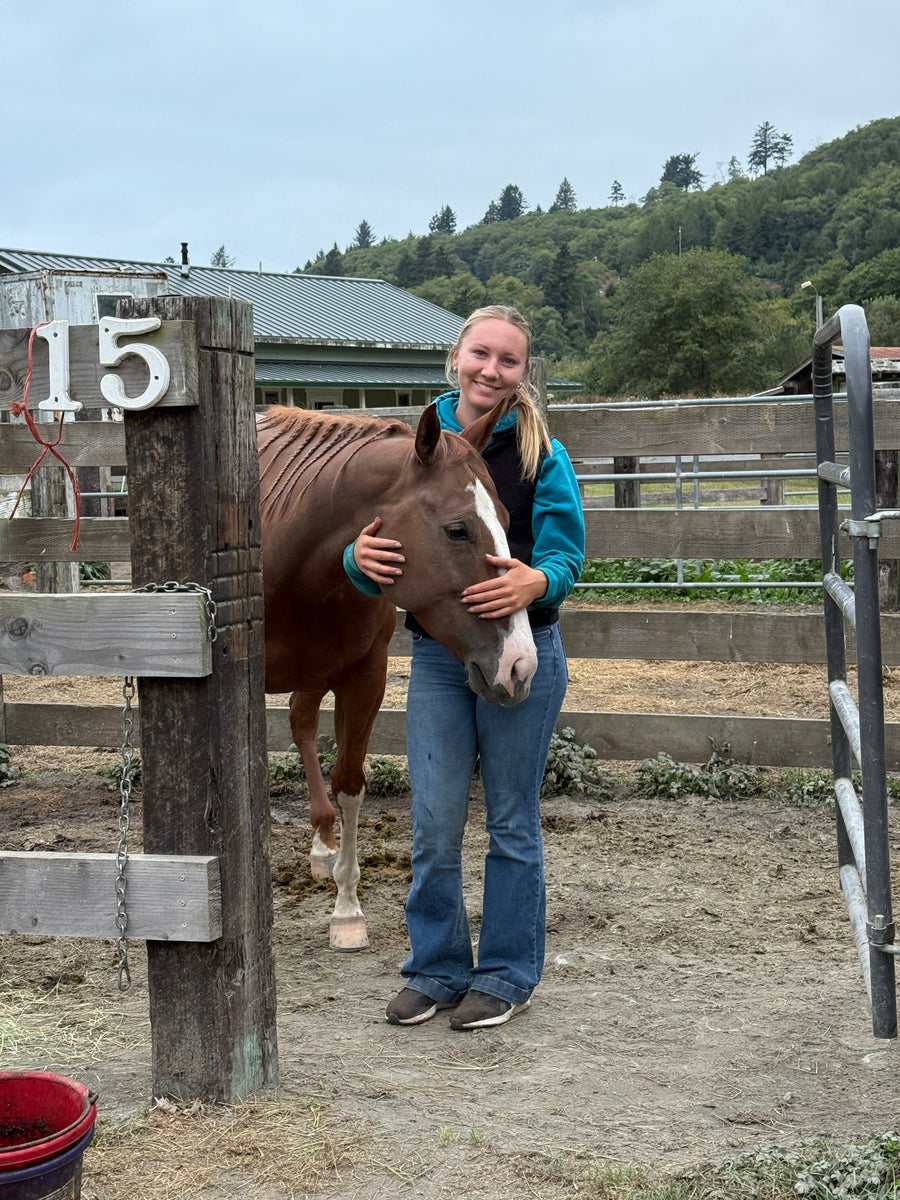
Meet Courtney Sabral of Chico, California, an experienced barrel racer and gymkhana rider whose care routine for Diamond and 26-year-old Ricky is built around consistency.
!