Nov 06, 2025
Belted Girth Pressure: What to Watch & How to Help Your Horse
That snug girth might be choking more than your hands. In this guide: early signs of girth pressure, rider‑approved relief tactics, and h...

Born from real ranch work and sharpened into fast, strategic competition, these sports showcase timing, teamwork, and a horse that loves to read a cow. Here’s how they work—and how to ride them smarter.
Sorting cattle for doctoring, branding, or shipping is daily ranch business. Over time those skills turned into timed events—same fundamentals, just in a controlled arena with clear rules and a clock.
Work one cow at a walk/trot. Hold distance on the shoulder; practice yielding the forehand/hind to keep the cow off the gate line.
Two riders practice “peel and seal”: one peels the correct cow, the other floats at the opening, closes only when the line is clean.
Run short sets rotating cutter/turn-back/gate so everyone reads cattle and communicates the same way.
Do I need a “cow-bred” horse? It helps, but a responsive, brave, well-broke horse can learn the job. Start slow.
What’s the fastest way to improve? Fewer hero runs, more clean runs. Control first, speed later.
How many runs should I do in a day? Quality over quantity. Watch your horse’s recovery, legs, and attitude.
That snug girth might be choking more than your hands. In this guide: early signs of girth pressure, rider‑approved relief tactics, and h...

Scratches don’t start with scabs—they start with wet skin, cold circulation, and overlooked legs. This winter guide shows how to prevent ...

Winter blankets solve one problem and create another. This guide explains why blanket rubs happen, where they start, and how to prevent s...
!
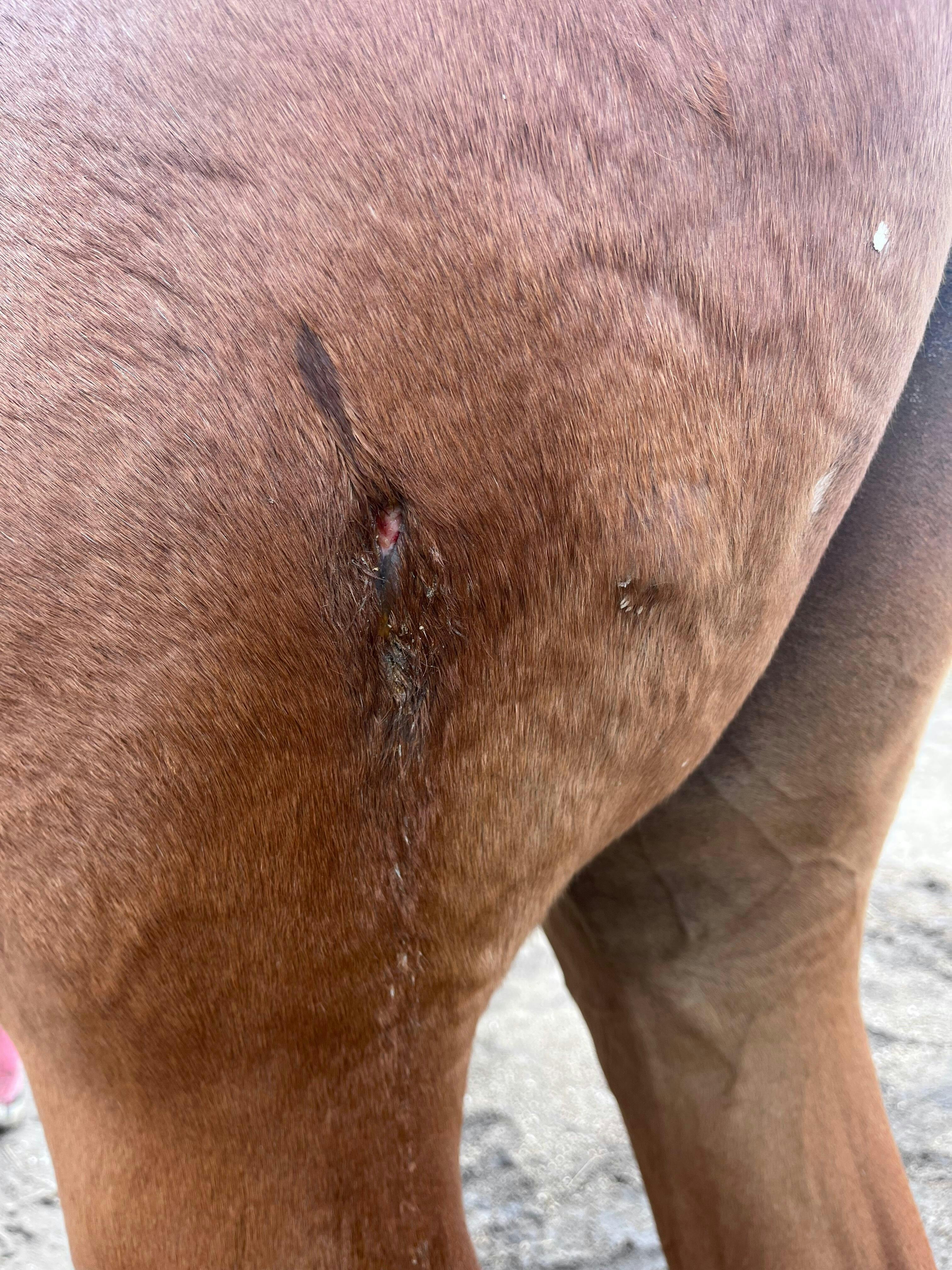
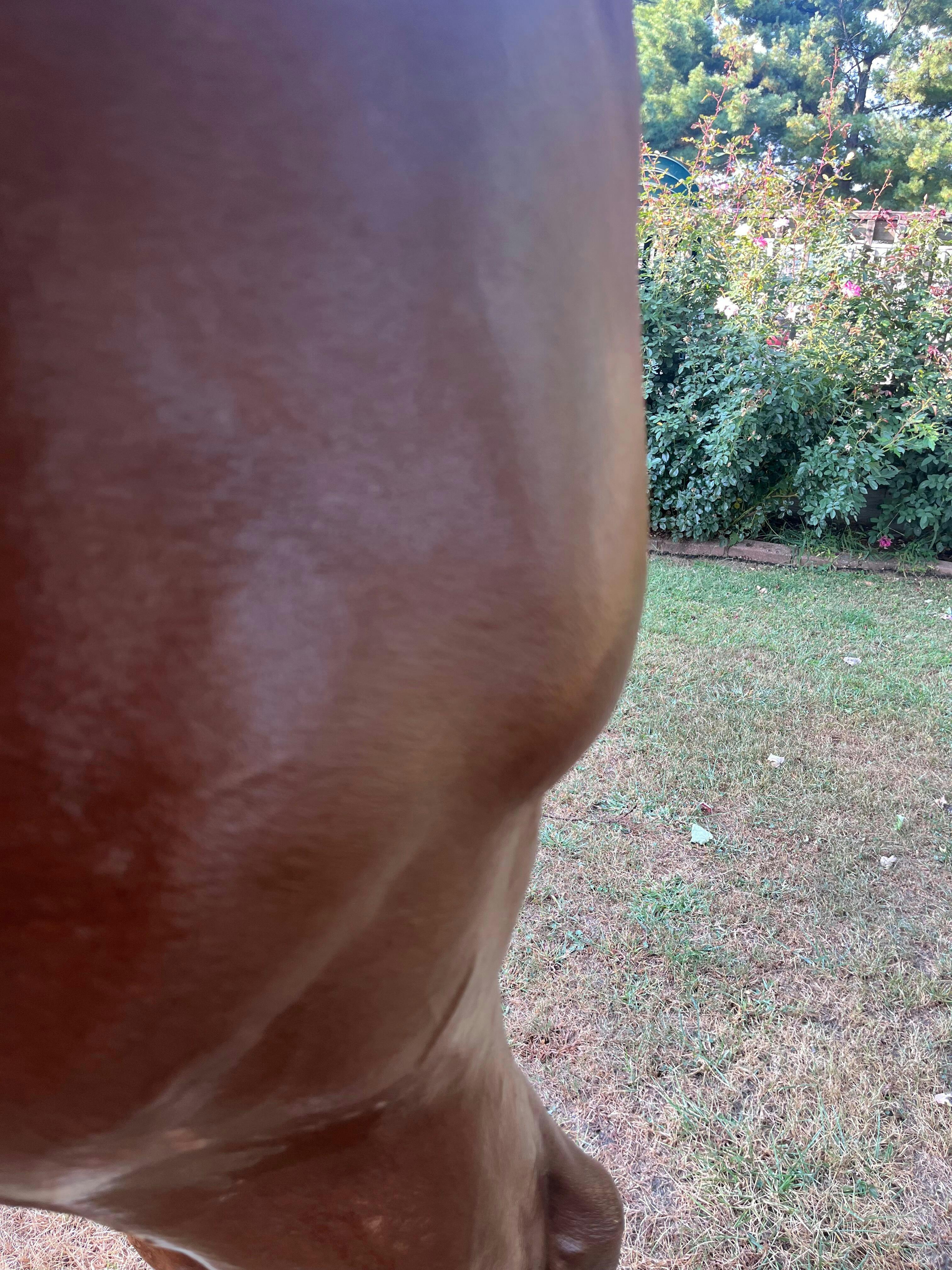
My horse had a huge hematoma I spent months trying to get it to heal. The vet ended up lancing it but it was still having issues draining due to swelling. I had done just about everything I could; poultice 12on/12off, cold hose twice a day, bute, and antibiotics. I felt like I couldn’t stay on top of it. ONE day of using this liniment the results showed immediately. The swelling decreased by 50% and he overall looked a lot more comfortable. A few days later it was healed up and scabbed over.