Winter Blanket Rubs in Horses: Prevent Shoulder & Wither Sores Before They Start
Reading time: ~5 minutes • Season: Winter blanket management
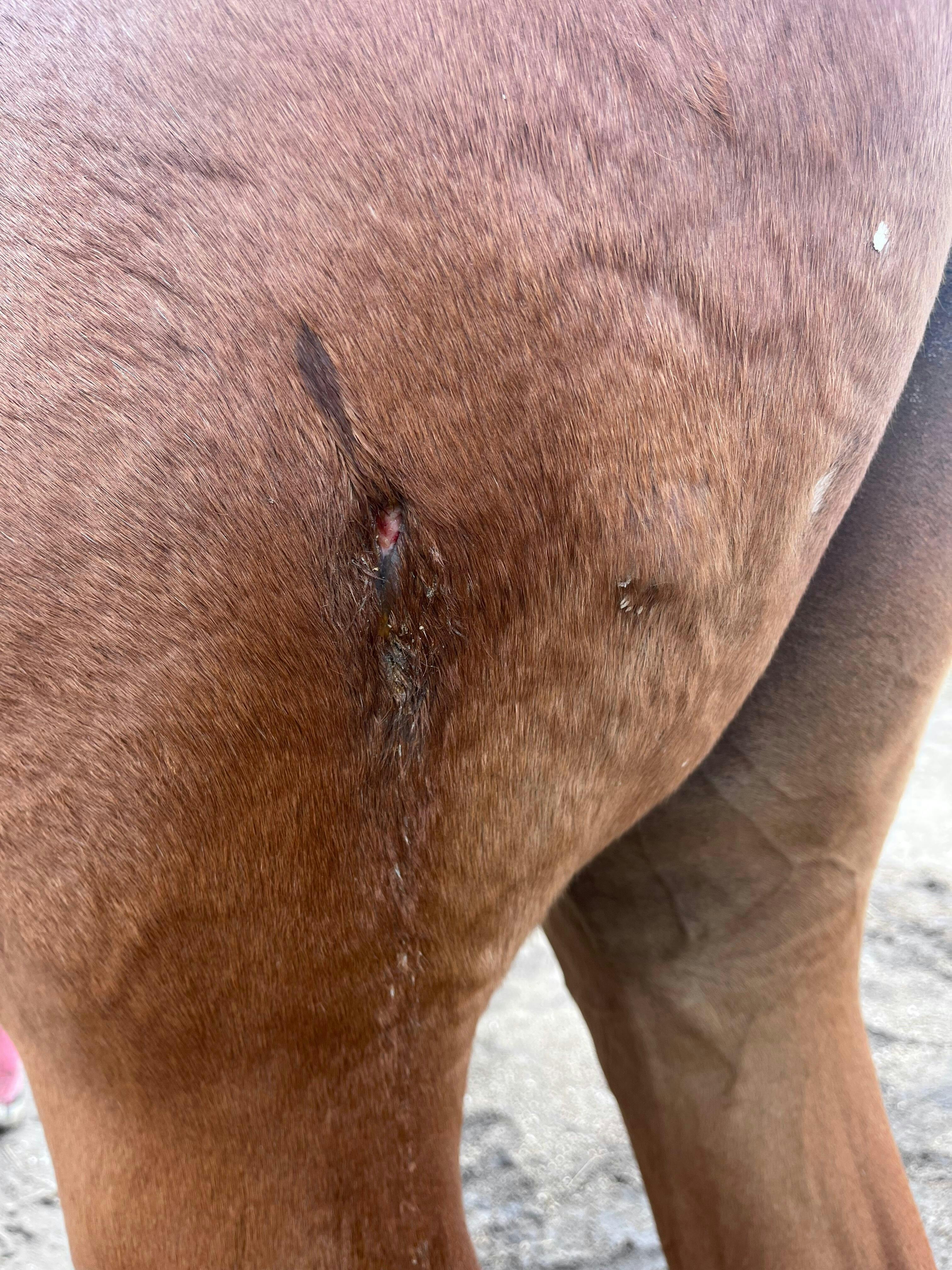
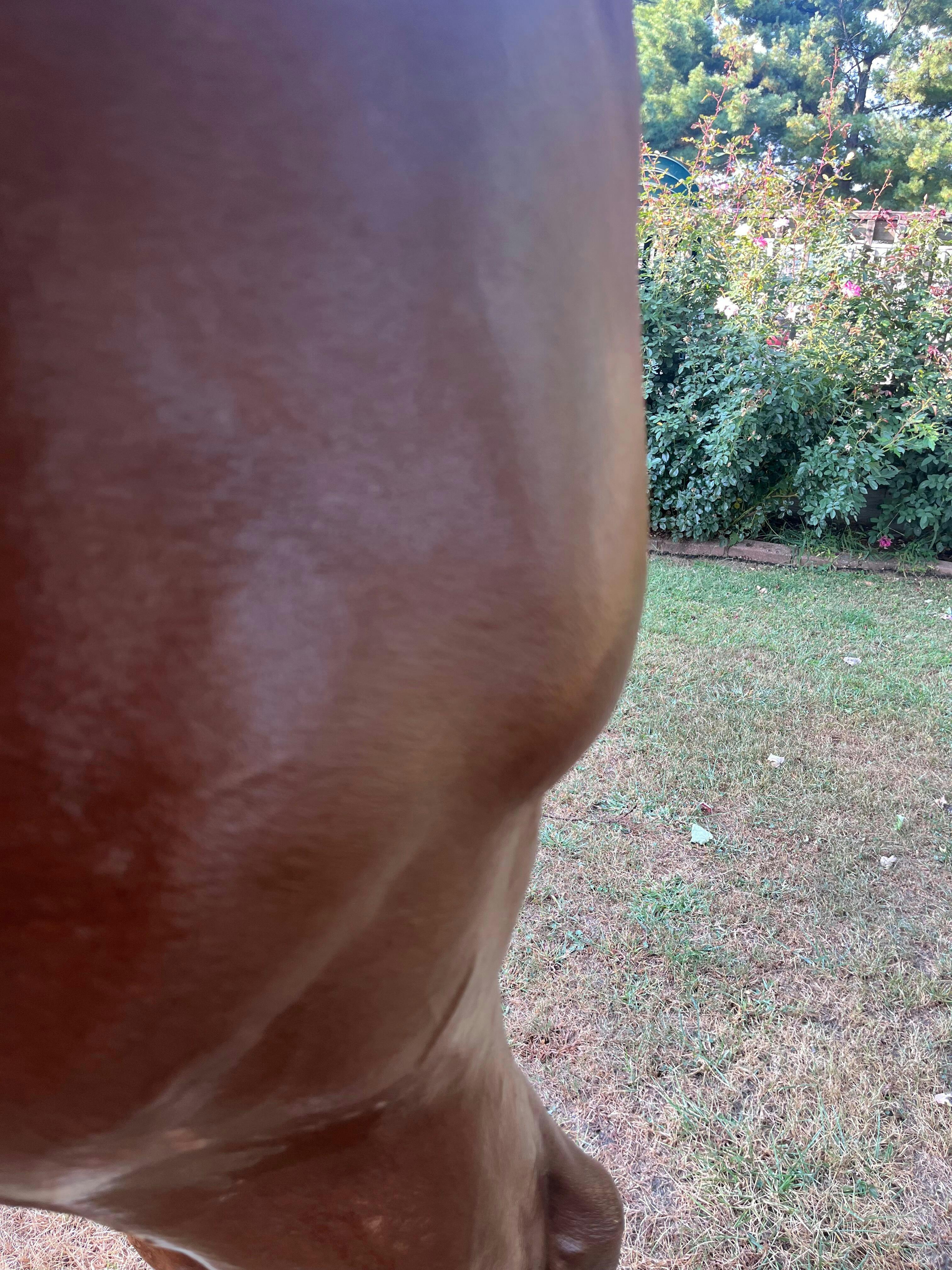
Winter blankets keep horses warm—but they can quietly create soreness, hair loss, and pressure points that linger long after spring arrives. Shoulder rubs and wither sores don’t happen overnight. They build from friction, tension, and restricted movement.
The key is prevention. Once skin is irritated, winter conditions make healing slower and discomfort harder to avoid.
Why Blanket Rubs Happen in Winter
Blanket rubs aren’t just a fit issue. Winter magnifies several factors:
- Reduced movement increases pressure in the same spots
- Thick coats create friction under fabric
- Cold muscles restrict shoulder and back motion
- Moisture buildup softens skin and weakens hair
Together, these lead to sore shoulders, irritated withers, and hair loss that can derail comfort and riding.
Step 1: Prep the Skin Before the Blanket Goes On
Preventing rubs starts before blanketing—not after damage appears.
Apply a light layer of Draw It Out® High Potency Gel to high‑friction zones: shoulders, withers, and chest points. The non‑greasy, sensation‑free formula supports circulation and comfort without attracting dirt or breaking down fabric.
Step 2: Address Muscle Tightness That Creates Friction
Tight shoulders and backs increase rubbing because the horse can’t move freely under the blanket.
Massage MasterMudd™ EquiBrace into the shoulder muscles, trapezius, and topline to help soften tissue and improve range of motion—reducing friction at the source.
Step 3: Check Blanket Fit Weekly
Winter weight changes, coat growth, and muscle loss all affect fit.
- Ensure room for shoulder movement
- Watch for pressure at the withers
- Adjust straps as coats thicken or thin
- Remove blankets periodically to inspect skin
Small fit changes prevent big problems.
Step 4: Keep Skin Dry and Clean
Sweat, rain, and condensation increase rub risk. Dry skin tolerates friction better than damp skin.
If your horse sweats under blankets, reassess weight or turnout timing. Prevention always beats treatment in winter.
Step 5: Support Recovery If Irritation Starts
If you notice early heat, tenderness, or hair thinning, act immediately.
Remove blankets when possible, apply Draw It Out® Gel twice daily to calm tissue, and reduce friction until skin settles.
Winter Blanket‑Care Support Kit
- Draw It Out® High Potency Gel
- MasterMudd™ EquiBrace
- Hydro‑Lyte® with GastroCell®
- Visit the Wisdom Library
Daily, no‑nonsense horse‑care insight lives inside the Draw It Out® Wisdom Library.