Winter Scratches & Mud Fever in Horses: Prevention, Early Care, and Recovery
Reading time: ~6 minutes • Season: Winter leg & skin care
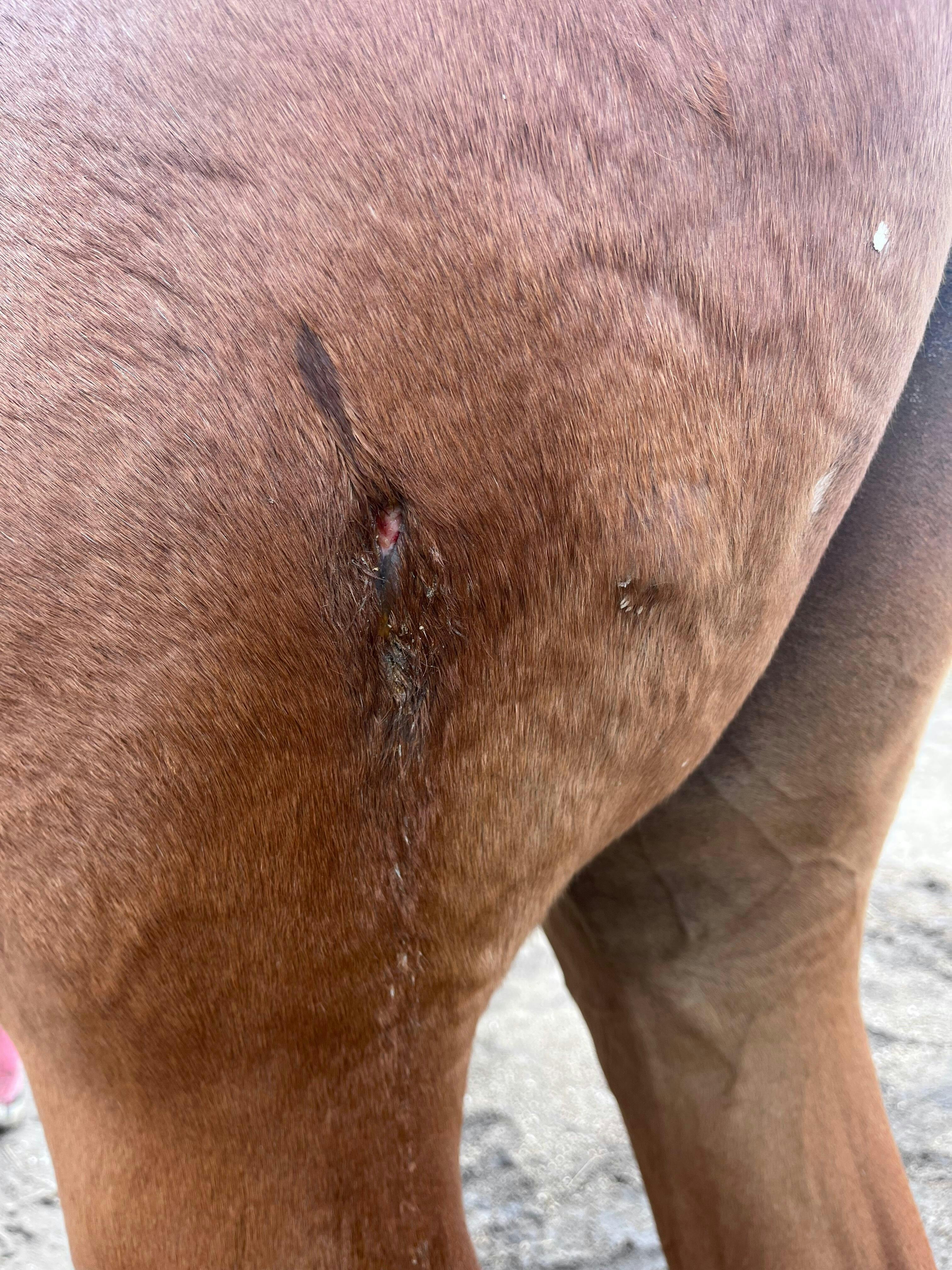
Winter scratches don’t show up all at once. They build quietly—wet skin, cold circulation, tiny breaks in the barrier. Then one day you feel heat, see scabs, and realize the damage has already started.
The good news? Scratches and mud fever are highly preventable when you understand what winter does to skin—and how to support it properly.
Why Scratches Are Worse in Winter
Winter creates the perfect conditions for pastern dermatitis:
- Persistent moisture from mud, snow, and ice
- Cold temperatures that slow circulation
- Long hair trapping moisture against the skin
- Reduced leg checks under blankets and boots
Once the skin barrier weakens, inflammation and infection follow quickly.
Early Signs You Should Never Ignore
- Heat or puffiness around the pastern
- Red or irritated skin under hair
- Small scabs or flaky patches
- Sensitivity to touch
Catching scratches early is the difference between quick recovery and a drawn‑out winter battle.
Step 1: Dry Legs Beat Washed Legs
Constant washing strips natural oils and keeps skin damp. In winter, dryness is protection.
Instead of frequent hosing, gently remove mud once dry and keep legs as clean and dry as possible.
Step 2: Support Circulation & Calm Inflammation
Cold, inflamed skin heals slowly without blood flow.
Apply a thin layer of Draw It Out® High Potency Gel to affected areas once or twice daily. The sensation‑free formula supports circulation and helps calm irritated tissue without sealing moisture against the skin.
Step 3: Address Whole‑Body Tightness
Horses that move stiffly load their legs unevenly, worsening skin stress.
Massage MasterMudd™ EquiBrace into shoulders, backs, and hindquarters to encourage freer movement and reduce repeated strain on already irritated lower legs.
Step 4: Improve the Environment Where You Can
- Use dry turnout when possible
- Add gravel or mats in high‑traffic areas
- Rotate turnout to avoid constant mud exposure
- Remove wet wraps or boots promptly
Environmental tweaks reduce flare‑ups dramatically.
Step 5: Hydration Supports Skin From the Inside
Dehydration worsens skin breakdown.
Encourage winter water intake with Hydro‑Lyte® with GastroCell® to support circulation, tissue health, and recovery.
Winter Scratches Support Kit
- Draw It Out® High Potency Gel
- MasterMudd™ EquiBrace
- Hydro‑Lyte® with GastroCell®
- Browse the Wisdom Library
Real‑world horse care knowledge lives inside the Draw It Out® Wisdom Library.