
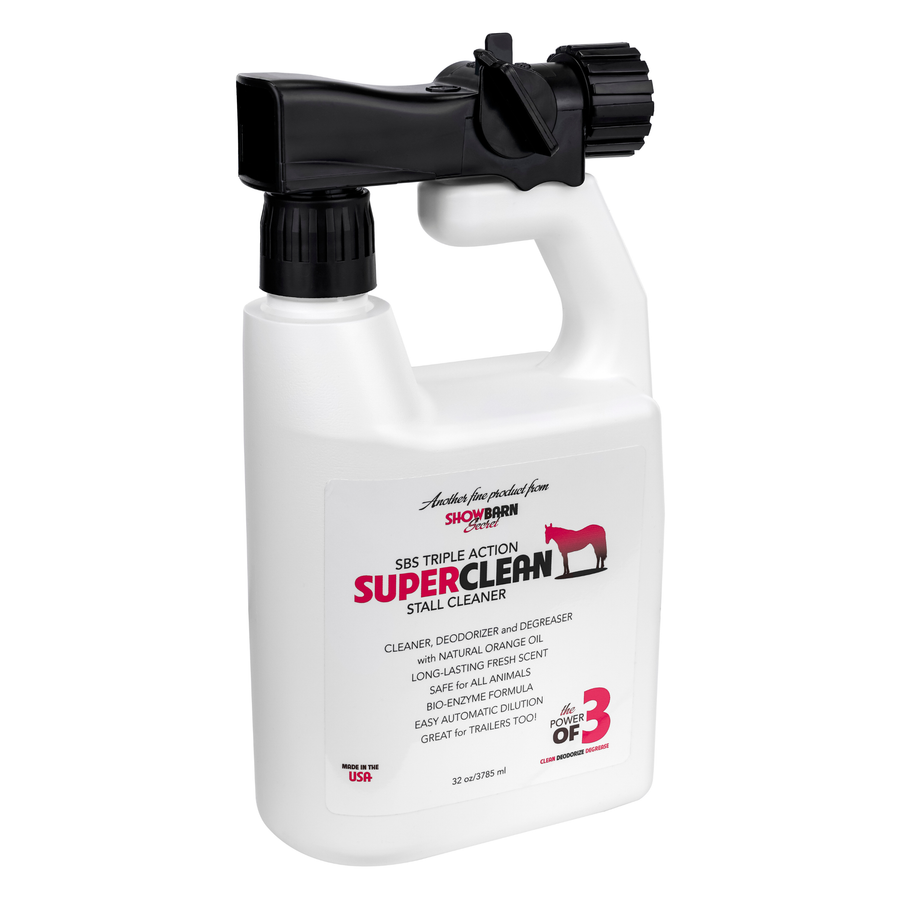
How to Clean Rubber Horse Stall Mats: A Practical Barn Routine
A step-by-step rubber stall mat cleaning routine for daily care and deeper resets, including seams, runoff, drying, common mistakes, and safer barn turnover.

ShowBarn Secret® Grooming Education
A thick winter coat protects the horse, but it can also hide sweat, rubs, trapped dirt, and damp skin. The winning routine is simple: dry the horse completely, lift the coat, inspect the skin, and re-blanket only when the horse and equipment are ready.
A blanket can look fine from the aisle while rubbing the shoulders or trapping moisture underneath. Remove it daily when practical. Run your hands over matching areas, compare left to right, and check for heat, tenderness, hair loss, dampness, and pressure.
Drying, brushing, clean coolers, clean blankets, fit checks, and consistent observation.
Open skin, spreading crusts, odor, swelling, heat, marked tenderness, or a horse that resents being touched.
Grooming products should support a clean routine, not replace one. Choose the format that fits the coat and current label, avoid irritated skin, and do not layer products blindly. Explore the current ShowBarn Secret® grooming collection for active options.
Shop Current Grooming ProductsVisit the Horse Health Library
Contact your veterinarian for persistent irritation, painful or spreading skin change, fever, swelling, or open wounds.
A step-by-step rubber stall mat cleaning routine for daily care and deeper resets, including seams, runoff, drying, common mistakes, and safer barn turnover.
Separate muscle loss from fat loss, record topline changes, recognize veterinary red flags, and plan nutrition and exercise around the cause.
A new grooming flinch is information, not attitude. Use this calm checklist to separate skin irritation, pressure sensitivity, tack clues, and veterinary red flags.
!

