Early Spring Hoof Transitions: When Growth Outpaces Balance
Spring light and moisture can flip the growth switch fast. The good news is you get healthier hoof production. The risk is that balance can change quicker than your trim cycle.
Early spring often speeds up hoof growth before your schedule catches up. That can shift breakover, toe length, and heel support in a few weeks. If your horse feels a little different, tighten the feedback loop: watch movement, adjust trim timing, and avoid hard pushes on inconsistent footing.

Why early spring hooves behave differently
Late winter hooves tend to be denser and slower growing, especially when footing is dry or frozen. Then spring moisture arrives and the hoof capsule can soften slightly while growth speed increases.
Growth is good. The issue is timing. When growth accelerates between farrier visits, small changes can shift loading patterns:
- Breakover timing changes as the toe creeps forward
- Heel support can feel behind the workload
- Medial lateral balance can drift if one side wears differently
- Flares and chips can show up sooner in wet dry cycles
The phase riders call “he feels a little off”
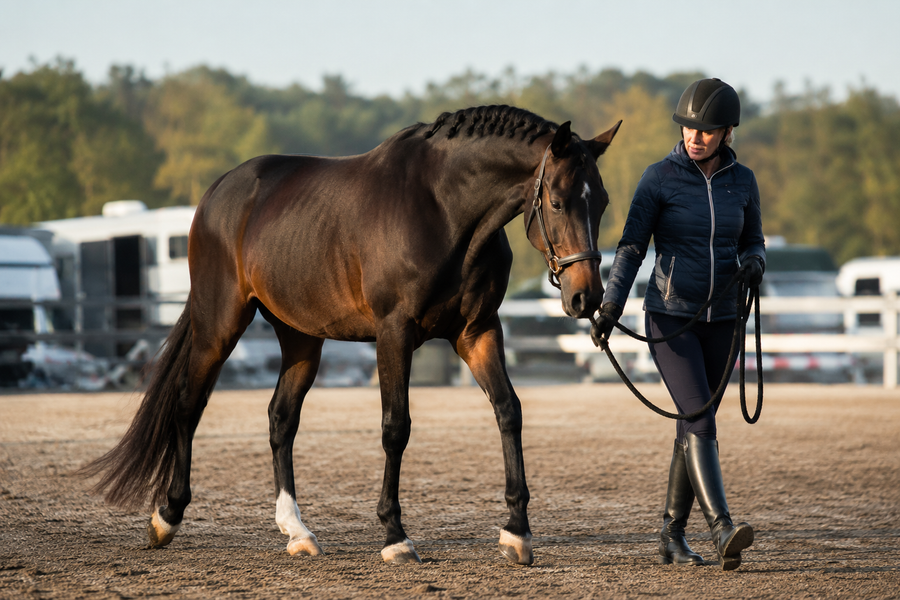
This is not always lameness. Often it is adjustment. You might notice tighter turns, shorter steps on firmer ground, mild forging, or more sensitivity during hoof cleaning. It commonly lines up with that fifth or sixth week when winter trim intervals collide with spring growth.
Moisture is both friend and friction
Moisture can improve flexibility inside the hoof capsule. The problem is the repeated wet then dry cycle that many barns get in early spring. That swing can soften the outer wall, encourage flare, and make some horses feel more sole sensitive when the ground dries hard again.
Protecting soundness during the seasonal shift
1) Evaluate trim timing
Early spring is one of the most common moments where shorter intervals temporarily keep balance from drifting.
2) Watch breakover
A longer toe can add strain up the chain. Keeping breakover under control is often the quickest win.
3) Be strategic about footing
Avoid hard pushes on inconsistent surfaces during the weeks when growth and moisture are changing quickly.
4) Use 48 hour feedback
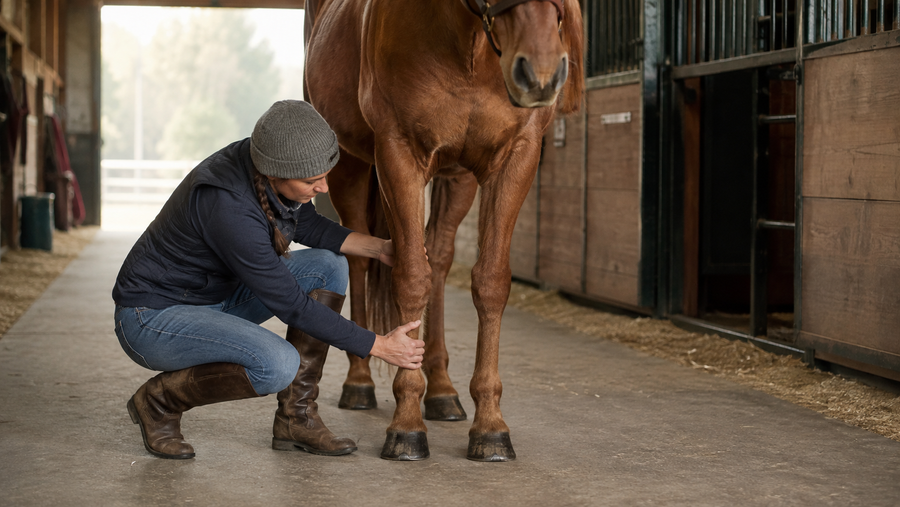
Check digital pulse, heat, and stride quality after workload increases. Subtle observation beats reactive management.
The soft tissue connection
Hooves dictate loading. Loading dictates soft tissue strain. When balance shifts, tendons and ligaments absorb the difference, especially when you are also ramping conditioning.
This is where a prevention first approach matters. If you want a calmer season, build consistency before intensity. Anchor your week with Prehabilitation, and use the Solution Finder when you do not want to guess.
Where to go next
Stay routine first. Shop second. Here are the clean next clicks that support this topic.
If your goal is consistency through spring growth, most riders keep one baseline topical in the barn and keep technique steady. Thin layers. Dry coat. Repeatable timing.
FAQ
Why does my horse feel different in early spring even without obvious lameness?
Spring moisture and longer daylight often increase hoof growth. If growth speeds up before trim timing adjusts, balance can drift and the stride can feel different even when nothing is “wrong” in a medical sense.
How fast can hoof balance change when growth picks up?
Many barns notice changes within a few weeks, especially late in the trim cycle. A small increase in toe length or flare can shift breakover and loading patterns.
Is mud season always bad for hooves?
Not always. Moisture can help flexibility. The repeated wet then dry swing is the common problem because it can soften the outer wall, encourage flare, and increase sensitivity when the ground firms up again.
What are the simplest daily checks to stay ahead of spring hoof surprises?
Pick hooves, clear packed debris, check frog grooves, and run your hand down lower legs for new heat or sensitivity. If anything changes fast, message your farrier early.
How do I choose the right support products without guessing?
Use the Solution Finder for a guided match, then keep your routine consistent with Prehabilitation. For browsing, start in the Hoof Care collection.
Informational only. Always follow product directions. For persistent soreness, one sided heat, strong digital pulse, or escalating changes, consult your farrier or veterinarian.