Daily recovery
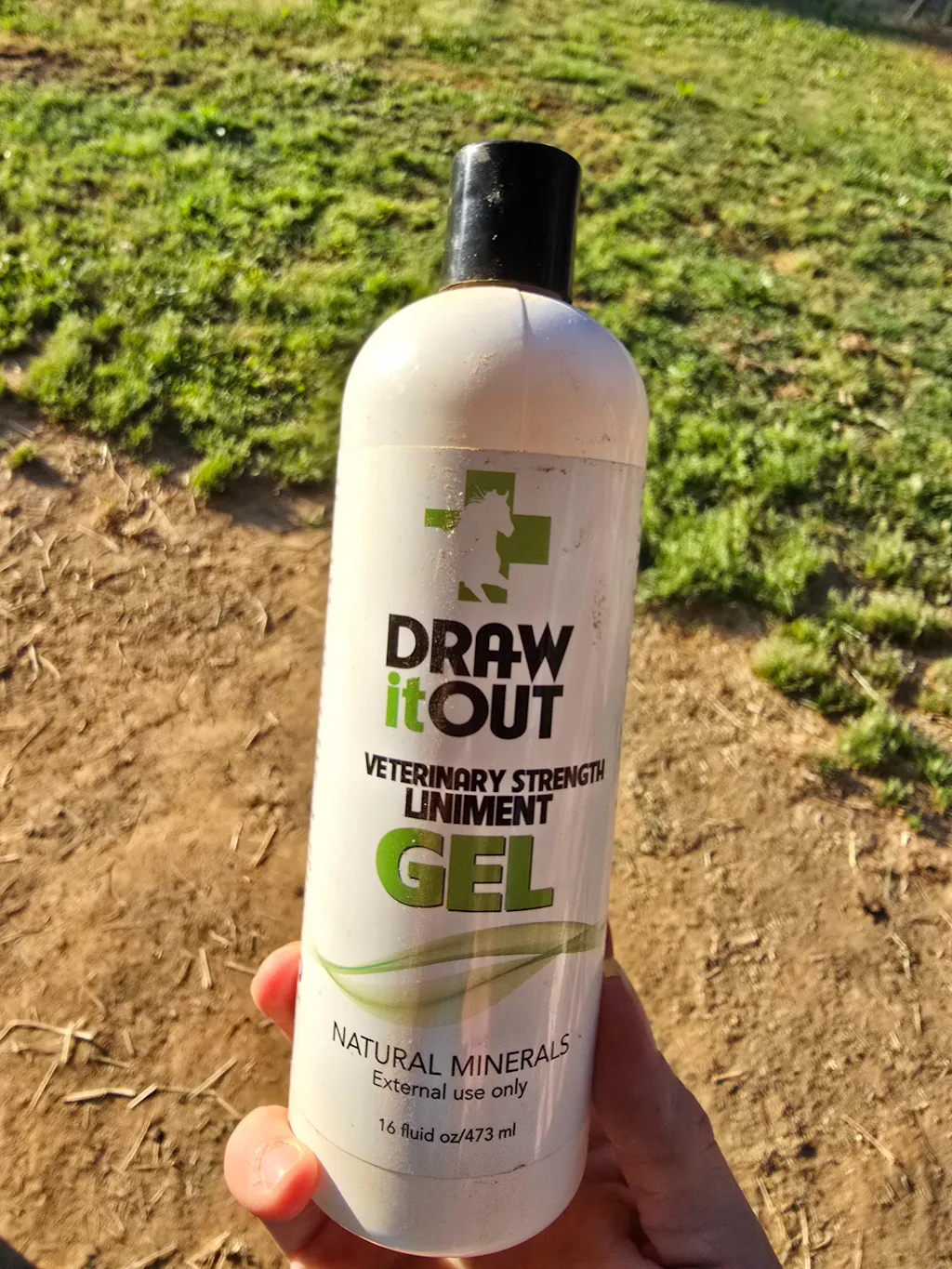
Liniment Gels
Explore the Draw It Out® liniment gel lineup for everyday use, post-work routines, and targeted recovery support.
Shop liniment gels
When a horse refuses to move forward under saddle, the cause is rarely simple stubbornness. Riders should evaluate soreness, tack pressure, fatigue, anxiety, and communication issues before assuming the problem is behavioral.
One of the most frustrating moments in the saddle is asking your horse to go forward and feeling absolutely nothing happen.
The horse plants their feet. Or worse, backs up. Sometimes they swing sideways, pin their ears, or hesitate every few strides.
Most riders assume the horse is being stubborn. In reality, forward resistance is often a signal that something in the horse’s body, environment, or communication system isn’t working correctly.
Understanding the difference between behavior and discomfort is the key to solving the problem.
Forward refusal tends to appear in recognizable patterns. Riders often report situations like:
These patterns often indicate that the horse is experiencing confusion, discomfort, or fatigue rather than deliberate disobedience.
Soreness in the back, shoulders, or hindquarters can make forward movement uncomfortable. Horses that associate forward motion with pain will often hesitate or refuse entirely.
This is particularly common when:
Supporting muscles before and after work is part of a broader approach sometimes called prehabilitation, where riders focus on preventing soreness before it becomes a performance problem.
A saddle that pinches the shoulders or presses into the withers can restrict movement. Horses often respond by stopping or refusing to step forward.
Watch for subtle clues:
A horse that is tired will sometimes stop rather than push forward. This is especially common in horses returning from time off or beginning new training programs.
Muscle fatigue builds gradually and may not be obvious until the horse simply refuses to keep working.
Riders often support recovery routines with tools designed for post-ride muscle care, including products in the Draw It Out® liniment gel collection.
Some horses hesitate to move forward when leaving familiar environments or herd mates.
These situations often look like stubbornness but are actually confidence issues. Horses may:
In these cases, patience and gradual exposure usually resolve the issue.
These simple observations often reveal patterns that help determine whether the issue is physical or behavioral.
Paying attention to when the horse refuses to move forward often provides important clues.
The more precisely a rider identifies the pattern, the easier the solution becomes.
Occasional resistance can be normal. However, persistent refusal to move forward may require professional evaluation.
Contact a veterinarian if you observe:
Early investigation prevents small issues from becoming long-term training problems.
Forward motion is the foundation of good riding. Horses that feel comfortable, balanced, and confident usually move forward willingly.
Consistent conditioning, thoughtful tack fit, and post-ride recovery routines all play a role in maintaining that willingness to work.
Riders who want to explore solutions tailored to their horse’s situation can also start with the Draw It Out® Solution Finder, which helps match common rider concerns with practical care strategies.
This article gives you the background. If you are ready to put the idea into a real horse care routine, these are the next places most riders should go.
Explore the Draw It Out® liniment gel lineup for everyday use, post-work routines, and targeted recovery support.
Shop liniment gelsMatch your horse’s workload, age, routine, and care goals to the Draw It Out® products that make the most sense.
Use the finderLearn how riders support soundness, comfort, and consistency before little issues become bigger problems.
Read the guideReal Barn Proof
Real riders. Real horses. Real routines. These clips rotate automatically so the proof stays fresh without weighing the page down with a long feed.
Why this matters: good horse care should make sense outside the ad. These clips show the kind of everyday use that builds trust one barn at a time.
Further Reading
Horse care works better when the next step is clear. These related reads help connect today’s topic to better daily decisions in the barn.

May 11, 2026
A practical guide to using horse liniment before exercise, now linked directly to the canonical product router, Prehabilitation page, and lini...
Read article
May 11, 2026
A practical, calm guide to gelding sheath cleaning, including supplies, frequency, safe steps, and when to stop and call the veterinarian.
Read article
May 10, 2026
A practical farrier-soreness guide, now routed directly to the live What Does My Horse Need page, Prehabilitation guide, and liniment collection.
Read articleStart with the principle, then build the habit. The right article should make the next barn decision easier, not more complicated.
Next Step
Simple care guides, practical product paths, and rider-trusted tools built for real horses and real routines.
Good care gets easier when the next step is obvious. Read the guide, match the routine, then choose the format that fits how your barn actually works.
Recovery Routine
Want a smarter way to think through post-ride care, heat, swelling, leg support, and daily recovery decisions? Start with the Performance Recovery Hub.
Better recovery starts with a repeatable routine. The hub gives riders a clearer path from workload to product format to aftercare timing.
Rider Favorites
Four core Draw It Out® staples riders keep close for daily recovery routines, wash rack use, targeted support, and quick barn-side care.
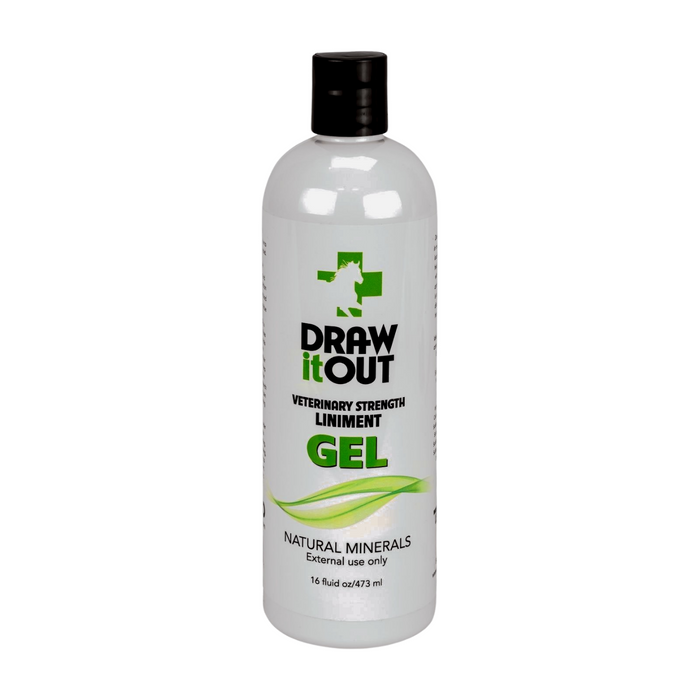
Stay-Put Gel
The everyday liniment gel format riders reach for when they want targeted, no-mess application.
View product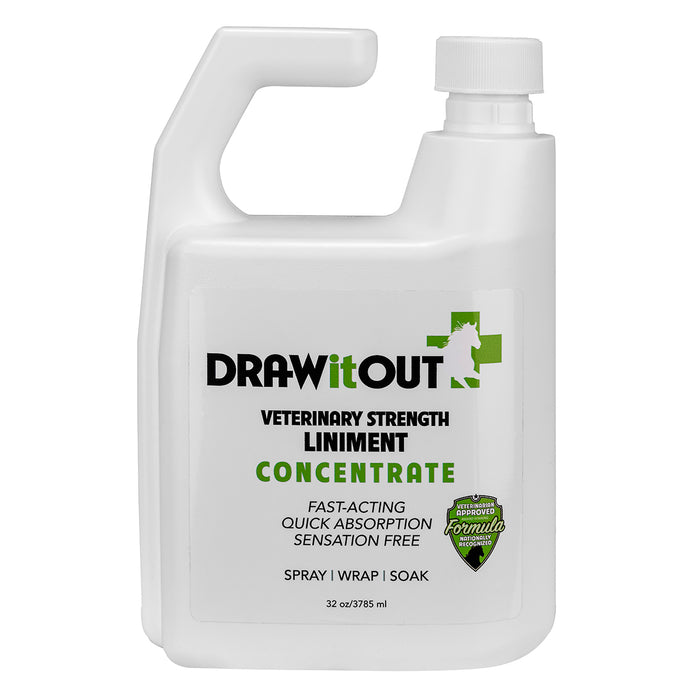
Mix Your Way
A flexible concentrate for riders who want to mix their own routine around workload and barn needs.
View product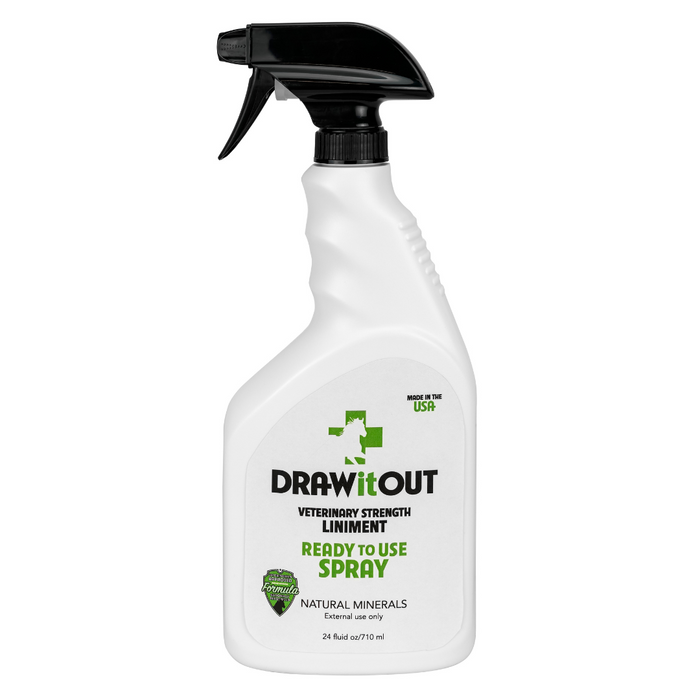
Ready To Use
A ready-to-use spray format for quick application after work, travel, turnout, or daily care.
View product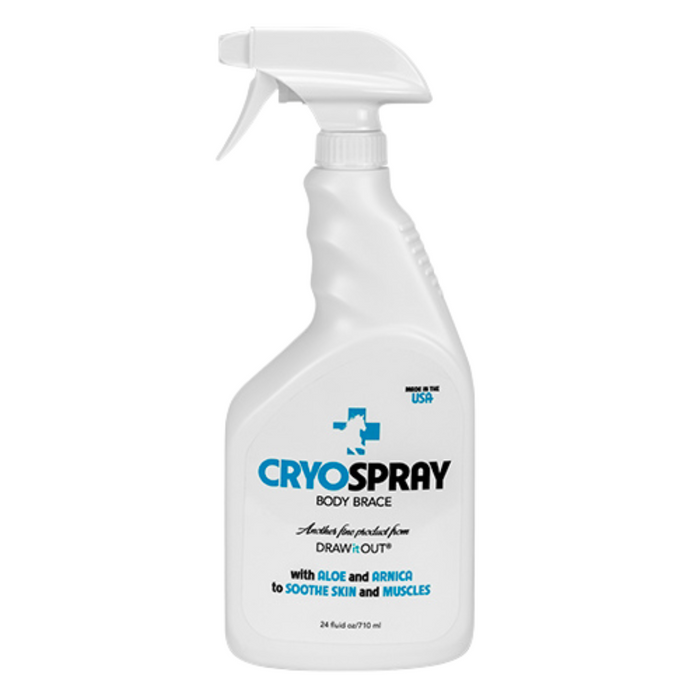
Cooling Brace
A cooling body brace spray for riders who want a fast, practical option after hard work or hot days.
View productFormat matters. Gel, concentrate, ready-to-use spray, and cooling spray each solve a different barn problem. Pick the one your routine will actually use.
!