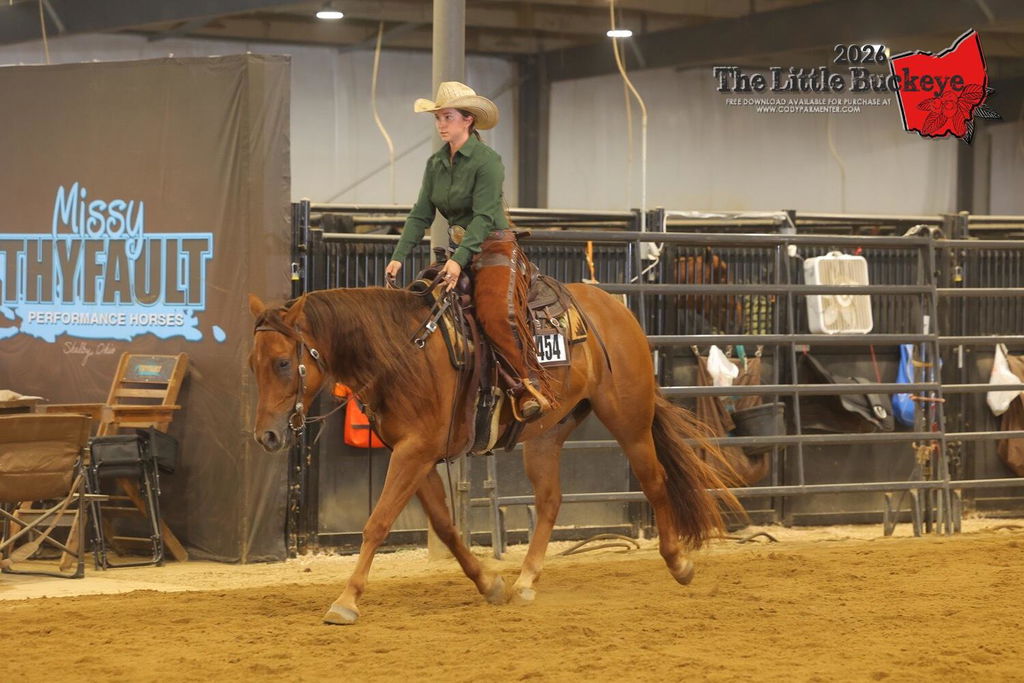
Daily recovery
Liniment Gels
Explore the Draw It Out® liniment gel lineup for everyday use, post-work routines, and targeted recovery support.
Shop liniment gels
A horse with sudden drooling, mouth blisters, coronary-band lesions, fever, or reluctance to eat is not a routine fly-spray problem. Vesicular stomatitis virus, often shortened to VSV, has been confirmed in the United States in 2026. Riders in the West—and anyone hauling through affected areas—need a clear stop-and-call-the-veterinarian plan.
If a horse develops unexplained drooling, oral blisters or erosions, lesions around the nose, ears, sheath, udder, or coronary band, fever, reluctance to eat or drink, or new lameness, stop movement and call your veterinarian promptly. Separate the horse, do not share buckets, tack, grooming tools, or equipment, and follow veterinary and animal-health instructions before hauling, showing, treating lesions, or moving other animals.
As of the July 20, 2026 USDA update, 35 VSV-affected premises had been identified across Arizona, Colorado, and New Mexico since the current outbreak began: 27 confirmed positive and 8 presumptive positive. All affected premises involved equine species. The update added confirmed positive equine premises in Archuleta and La Plata counties, Colorado, plus a presumptive positive equine premises in Valencia County, New Mexico.
Counts, affected counties, quarantine releases, and movement requirements can change quickly. Check the current USDA APHIS vesicular stomatitis report and Equine Disease Communication Center alerts before hauling or making a show decision.
VSV is a contagious livestock disease that mainly affects horses and cattle. Biting flies and midges are a primary transmission route, and contaminated hands, clothing, boots, buckets, tack, grooming tools, trailers, and other equipment can complicate barn biosecurity.
The disease rarely causes high mortality, but painful lesions can interfere with eating, drinking, movement, and normal care. A suspected case can also trigger testing, quarantine, event disruption, interstate movement questions, and international trade restrictions.
Routine insect management is still part of sensible warm-weather barn care. Clean pens, manure removal, fly traps, physical barriers, labeled sprays on intact skin, and reducing standing-water or biting-insect pressure can support the barn’s broader prevention plan.
That does not make a fly spray a diagnosis, treatment, vaccine, or guaranteed prevention tool. Use the Horse Fly Protection guide for practical routine planning, and follow your veterinarian and state animal-health officials when disease is suspected.
Before hauling from or through an affected area, check current state animal-health requirements, event rules, destination-barn policies, and any interstate or international documentation requirements. A health certificate issued before a new outbreak update may not answer every current movement question.
If a horse has lesions, fever, unexplained drooling, or a known exposure, stop the trip and call your veterinarian. Do not rely on a normal attitude, one temperature reading, or an event entry deadline to overrule a disease concern.
Keep your veterinarian’s number, state animal-health contact, isolation area, dedicated buckets, disposable gloves, boot-cleaning supplies, and a written new-arrival routine easy to find. The Horse Health Library and Regional Horse Care guide can help organize broader seasonal and location-specific checks.
Yes. USDA APHIS confirmed U.S. cases in 2026, with affected equine premises reported in Arizona, Colorado, and New Mexico during the current outbreak. Check the latest official report because locations and quarantine status can change.
Yes. Owners who suspect an animal disease should contact their veterinarian. Veterinarians and animal-health professionals coordinate reporting and testing with state and federal officials as required.
No ordinary fly spray should be presented as guaranteed VSV prevention or treatment. Routine insect control can reduce biting-insect pressure as part of a broader biosecurity plan, but suspected disease still requires veterinary evaluation and official guidance.
Do not haul until your veterinarian has evaluated the horse and given appropriate direction. Stop movement, separate the horse, and avoid sharing equipment.
People can be infected occasionally. Use personal protective equipment, careful hygiene, and veterinary or public-health guidance when handling a horse with suspicious lesions.
Good horse care is not guessing faster. It is recognizing when a problem has crossed from routine barn care into veterinary and animal-health territory.
Last reviewed July 20, 2026. This educational guide does not diagnose or treat disease and does not replace veterinary or official animal-health instructions. Current federal, state, event, and travel requirements supersede this page.
This article gives you the background. If you are ready to put the idea into a real horse care routine, these are the next places most riders should go.
Explore the Draw It Out® liniment gel lineup for everyday use, post-work routines, and targeted recovery support.
Shop liniment gelsMatch your horse’s workload, age, routine, and care goals to the Draw It Out® products that make the most sense.
Use the finderLearn how riders support soundness, comfort, and consistency before little issues become bigger problems.
Read the guideReal Barn Proof
Real riders. Real horses. Real routines. These clips rotate automatically so the proof stays fresh without weighing the page down with a long feed.
Why this matters: good horse care should make sense outside the ad. These clips show the kind of everyday use that builds trust one barn at a time.
Further Reading
Horse care works better when the next step is clear. These related reads help connect today’s topic to better daily decisions in the barn.

Jul 18, 2026
A practical horse health guide for dull mid-summer coats: skin, sweat, dust, diet, parasites, grooming, and when to call the veterinarian.
Read article
Jul 17, 2026
Florida has reported its first equine infectious anemia case of 2026 at a quarantined Hillsborough County property. Here is what riders should...
Read article
Jul 17, 2026
A practical horse health guide for horses that stumble more on dry ground: hoof balance, footing, front-end checks, and vet red flags.
Read articleStart with the principle, then build the habit. The right article should make the next barn decision easier, not more complicated.
Next Step
Simple care guides, practical product paths, and rider-trusted tools built for real horses and real routines.
Good care gets easier when the next step is obvious. Read the guide, match the routine, then choose the format that fits how your barn actually works.
Recovery Routine
Want a smarter way to think through post-ride care, heat, swelling, leg support, and daily recovery decisions? Start with the Performance Recovery Hub.
Better recovery starts with a repeatable routine. The hub gives riders a clearer path from workload to product format to aftercare timing.
Rider Favorites
Four core Draw It Out® staples riders keep close for daily recovery routines, wash rack use, targeted support, and quick barn-side care.
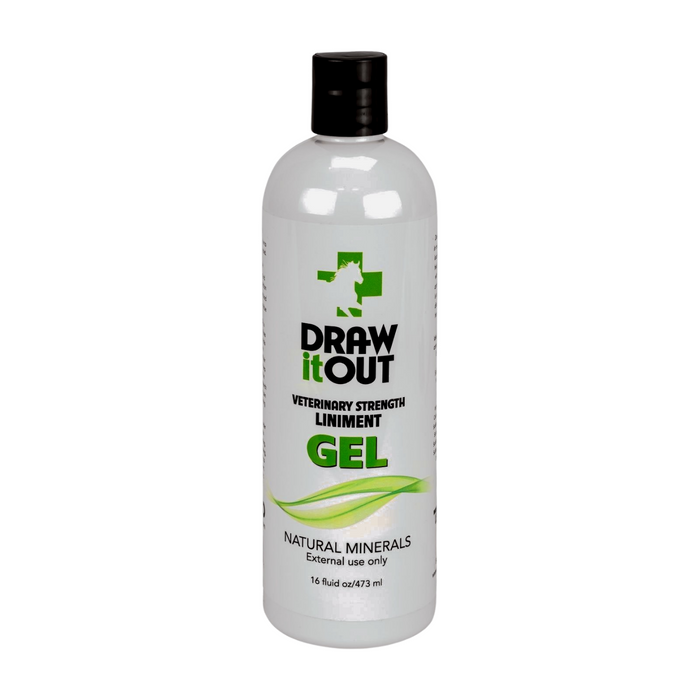
Stay-Put Gel
The everyday liniment gel format riders reach for when they want targeted, no-mess application.
View product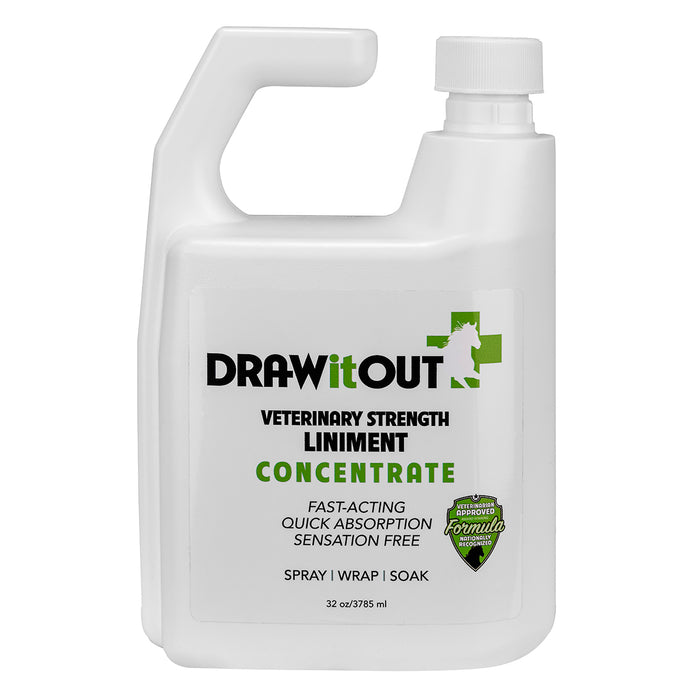
Mix Your Way
A flexible concentrate for riders who want to mix their own routine around workload and barn needs.
View product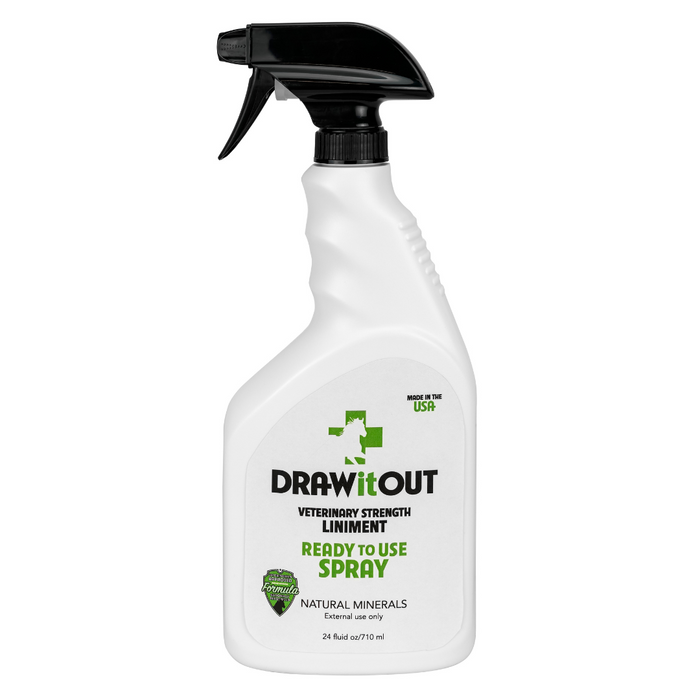
Ready To Use
A ready-to-use spray format for quick application after work, travel, turnout, or daily care.
View product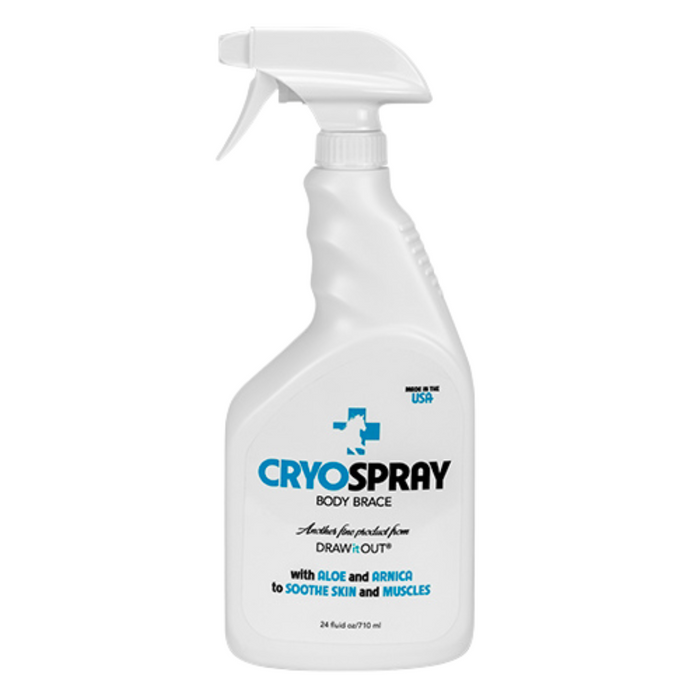
Cooling Brace
A cooling body brace spray for riders who want a fast, practical option after hard work or hot days.
View productFormat matters. Gel, concentrate, ready-to-use spray, and cooling spray each solve a different barn problem. Pick the one your routine will actually use.
!