


Jul 28, 2026
When a Horse Needs an Easy Day, Not a Day Off
A Real Rider Resource guide for deciding when a horse needs an easy day instead of a full day off or another hard ride.

Quick answer: A horse that drinks less at a show, clinic, trailhead, or overnight stop may be reacting to unfamiliar water, travel stress, heat, workload, changed forage, or illness. Stop adding work, offer clean water in a familiar bucket in a quiet place, track what the horse actually drinks, and call your veterinarian promptly if refusal continues or any colic, weakness, muscle-cramping, dark-urine, fever, or dehydration signs appear.
Do not try to force water. Do not syringe water or give concentrated electrolytes to a horse that is not drinking unless your veterinarian directs you. A horse showing pain, abnormal swallowing, neurologic signs, or colic needs veterinary guidance—not another home remedy.
Many horses change their drinking pattern when their surroundings change. The cause is not always one thing, and “he drank eventually” does not tell you whether intake was adequate for the heat, workload, forage, and travel involved.
Contact your veterinarian promptly when reduced drinking is accompanied by any of the following:
For a broader physical check, use the horse dehydration warning-sign guide. No single skin-pinch result, gum check, or bucket measurement should be used by itself to declare a horse safe.
The most useful show-day number is not a universal gallon target. It is the horse’s own normal pattern under comparable weather, forage, and workload. For several ordinary days before travel, note:
A baseline makes “drinking less” specific. It also gives your veterinarian better information if the horse’s pattern changes on the road.
| Before departure | At the venue or stop | What to record |
|---|---|---|
| Clean familiar buckets; confirm the horse drinks from the travel setup; pack safe water from home when practical and permitted. | Offer water in a quiet location before the schedule becomes busy; keep the container clean and easy to reach. | Time offered, amount offered, amount left, urine, manure, appetite, attitude, work, weather, and recovery. |
| If a veterinarian approves a flavoring strategy, test it at home well before travel and use the same low-level routine consistently. | Offer plain water as well. Do not make the horse dependent on a flavor that may be unavailable or mixed differently. | Which source and bucket the horse accepted, and whether intake improved after rest, forage, or cooling. |
| Keep forage and feeding times as familiar as the trip allows. | Avoid stacking new feeds, supplements, pastes, or remedies when the horse is already stressed. | Any change in manure, appetite, swallowing, cough, temperature, muscle comfort, or behavior. |
Electrolytes can be appropriate for some horses based on sweat loss, work, weather, diet, and veterinary or equine-nutrition guidance. They are not a substitute for water and they do not make continued work safe when a horse is refusing to drink.
Use the horse electrolyte guide to separate routine support from situations that need a veterinarian. The electrolyte red-flags guide covers cases in which weakness, colic signs, neurologic changes, abnormal sweating, or poor recovery should not be managed as a simple supplementation problem.
One drink is useful information, but it is not the finish line. Continue tracking intake, manure, urine, appetite, attitude, temperature, and recovery through the rest of the day and after the return home. Reduce or stop work until the horse’s overall pattern is normal for that horse and the conditions. For the larger trip plan, review Ten Tips for Safer Horse Travel.
Common reasons include unfamiliar water, a different bucket, stress, noise, schedule changes, travel fatigue, heat, workload, and changed forage. Pain or illness can look similar, so assess the whole horse rather than assuming stubbornness.
There is no universal safe clock for every horse and situation. Weather, work, forage, travel, health, and the horse’s normal intake all matter. Repeated refusal, a worsening pattern, or any illness or dehydration sign warrants veterinary advice rather than waiting for a fixed number of hours.
A familiar flavor can help some horses, but it should be tested at home before the trip and used consistently. Keep plain water available too, avoid last-minute experiments, and ask your veterinarian about horses with metabolic, dietary, or medical restrictions.
Do not force or syringe water unless your veterinarian specifically directs you. Improper administration can be unsafe, particularly when swallowing is abnormal or the horse is distressed.
Electrolytes do not replace water. A horse refusing water should not automatically receive a concentrated electrolyte dose. Follow the product label and your veterinarian or equine nutritionist’s plan, with free access to water.
Call promptly when reduced drinking continues despite rest and familiar water, or when it appears with colic signs, fever, weakness, abnormal gums, little urine or manure, dark urine, muscle cramping, tying-up signs, abnormal swallowing, respiratory distress, or poor recovery.
Keep the bigger picture organized: The Horse Health Library routes riders to hydration, heat, travel, respiratory, wound, hoof, skin, and emergency-care guides.
Prehabilitation is not about doing more. It is about doing the right small things consistently.
A Real Rider Resource guide for deciding when a horse needs an easy day instead of a full day off or another hard ride.

A Real Rider Resource guide for a weekly horse check that is simple enough for real riders to actually keep.
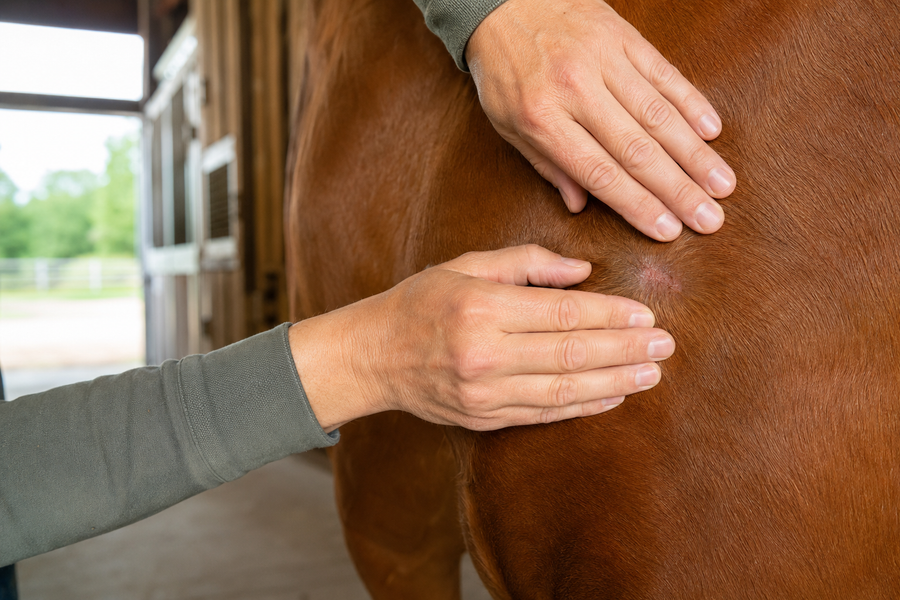
Can you use hydrocortisone on a horse? Learn what it does, when itching needs a veterinarian, and how to route intact skin versus broken ...
Want a smarter way to handle soreness, heat, swelling, and post-ride leg care? Visit our Performance Recovery Hub for clear routines and product guidance.
Visit the Recovery Hub!