Daily recovery
Liniment Gels
Explore the Draw It Out® liniment gel lineup for everyday use, post-work routines, and targeted recovery support.
Shop liniment gels
Fly-season reality check
Duration, sensitivity, cost, smell, residue, and the mixing trap—without pretending one bottle can replace the whole barn routine.
Quick answer: fly spray performance changes with sweat, rain, bathing, coat condition, airflow, turnout, insect pressure, and the individual horse. Treat duration language as a possible window—not a promise—and do not combine products in a homemade mixture unless the labels or your veterinarian specifically direct it.
Fly season can make a reasonable person feel like every bottle is either too strong, too greasy, too expensive, too short-lived, or all four before lunch.
The frustration is real. The mistake is assuming it has one cause. Sometimes the spray does not fit the horse. Sometimes the application is uneven. Sometimes heat, sweat, rain, manure, standing water, poor airflow, or heavy insect pressure overwhelms what any topical can reasonably do. Sometimes a headline duration claim gets read as a guarantee for every horse and every barn.
The useful question is not, “Which bottle wins forever?” It is, “What part of this routine is failing today?”
A label may describe protection lasting for a certain period under suitable conditions. Your horse does not live inside a controlled label test.
For a deeper breakdown, use the existing guide: How Long Does Horse Fly Spray Last?
Different horses tolerate different formulas, scents, spray patterns, and carriers. A naturally derived ingredient can still bother a sensitive horse. A conventional product can work for one horse and cause a reaction in another.
That is why calm handling and a small-area check matter more than internet absolutes. Follow the label, avoid eyes and mucous membranes, do not apply to broken or irritated skin unless the label supports it, and stop when the horse shows an abnormal response.
When swelling, hives, breathing changes, eye irritation, open sores, or worsening discomfort show up, move out of the product-comparison lane and involve your veterinarian.
When riders are disappointed by cost or duration, the temptation is to pour two or three products into one sprayer and hope the combination becomes stronger, cheaper, or longer-lasting.
Do not mix different fly sprays, concentrates, essential oils, pesticides, coat products, or mystery barn ingredients unless the product labels or your veterinarian explicitly direct that combination.
Mixing can change concentration, skin exposure, inhalation risk, residue, stability, and how the ingredients behave together. It also makes it harder to identify what caused a reaction. When something goes wrong, nobody can tell which product—or which improvised ratio—was responsible.
Use one label-directed routine at a time. Observe it honestly. Change one variable at a time.
Check sweat, rain, bathing, coat prep, turnout length, and actual insect pressure before blaming the bottle alone.
Check nozzle noise, spray pattern, scent, handling, skin comfort, and whether a cloth application is appropriate for the face.
Reduce barn pressure first. Manure control, airflow, barriers, turnout timing, and clean coats help every application work harder.
Stop use, rinse when appropriate, document the product and timing, and involve your veterinarian when the response is significant.
Citraquin® is Draw It Out®’s naturally derived, pesticide-free environmental defense spray for riders who want a repeatable horse-care step without pretending the bottle replaces barn management.
Use it on a reasonably clean coat according to the current label. Recheck after sweat, rain, bathing, hauling, and high-pressure turnout. Pair it with manure management, fewer wet areas, airflow, fly masks or other physical barriers when appropriate, and honest observation of the individual horse.
Shop Citraquin® 32oz Build the Full Fly Routine
No fly spray is a force field. No duration claim erases weather, sweat, water, manure, regional pressure, or horse-to-horse sensitivity.
The best routine is not the loudest bottle or the wildest barn recipe. It is the cleanest repeatable system your horse tolerates: prepare the coat, follow one label, use physical and environmental controls, recheck by conditions, and change one variable at a time.
No—not unless the labels or your veterinarian specifically direct that mixture. Combining products can change concentration, residue, exposure, and reaction risk.
Sweat, rain, bathing, turnout, coat condition, insect pressure, and application quality can shorten the real-world window. Treat duration language as a possible upper range, not a guarantee.
No. Horses vary. Follow the label, start with a small area when appropriate, and stop use if an abnormal response appears.
Check the barn environment, coat prep, airflow, standing water, manure, barriers, turnout timing, and whether the current product is being used consistently according to its label.
Educational support only. Always follow current product labels. Contact your veterinarian for hives, swelling, breathing changes, eye problems, open sores, severe itching, or a reaction that is persistent, worsening, or abnormal.
This article gives you the background. If you are ready to put the idea into a real horse care routine, these are the next places most riders should go.
Explore the Draw It Out® liniment gel lineup for everyday use, post-work routines, and targeted recovery support.
Shop liniment gelsMatch your horse’s workload, age, routine, and care goals to the Draw It Out® products that make the most sense.
Use the finderLearn how riders support soundness, comfort, and consistency before little issues become bigger problems.
Read the guideReal Barn Proof
Real riders. Real horses. Real routines. These clips rotate automatically so the proof stays fresh without weighing the page down with a long feed.
Why this matters: good horse care should make sense outside the ad. These clips show the kind of everyday use that builds trust one barn at a time.
Further Reading
Horse care works better when the next step is clear. These related reads help connect today’s topic to better daily decisions in the barn.

Jul 09, 2026
A practical winter horse hydration guide covering water access, measured intake, salt, manure, electrolyte decisions, and veterinary red flags.
Read article
Jul 09, 2026
Claim-safe dealer language for horse supplement categories, dated inventory checks, staff boundaries, and clinical red-flag handoffs.
Read article
Jul 09, 2026
A practical hard-ground check for feet, footing, workload, movement, professional-care red flags, and label-directed post-work topical care.
Read articleStart with the principle, then build the habit. The right article should make the next barn decision easier, not more complicated.
Next Step
Simple care guides, practical product paths, and rider-trusted tools built for real horses and real routines.
Good care gets easier when the next step is obvious. Read the guide, match the routine, then choose the format that fits how your barn actually works.
Recovery Routine
Want a smarter way to think through post-ride care, heat, swelling, leg support, and daily recovery decisions? Start with the Performance Recovery Hub.
Better recovery starts with a repeatable routine. The hub gives riders a clearer path from workload to product format to aftercare timing.
Rider Favorites
Four core Draw It Out® staples riders keep close for daily recovery routines, wash rack use, targeted support, and quick barn-side care.
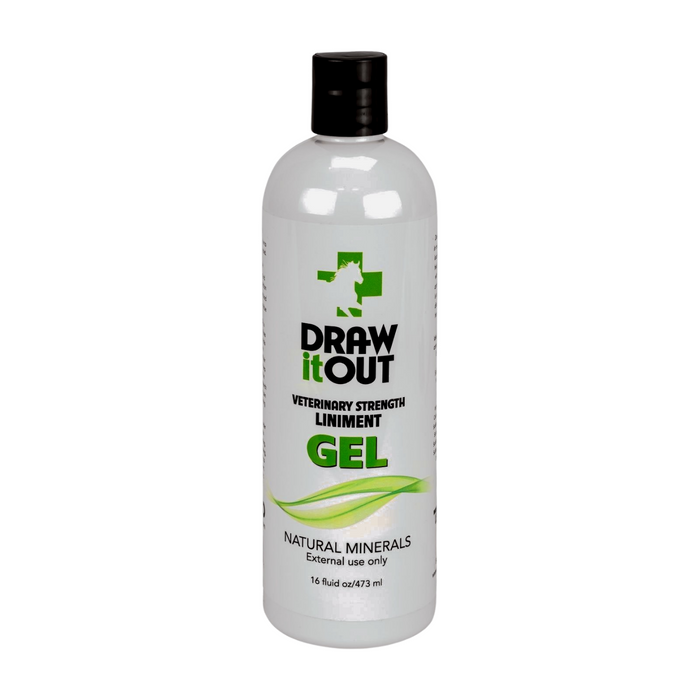
Stay-Put Gel
The everyday liniment gel format riders reach for when they want targeted, no-mess application.
View product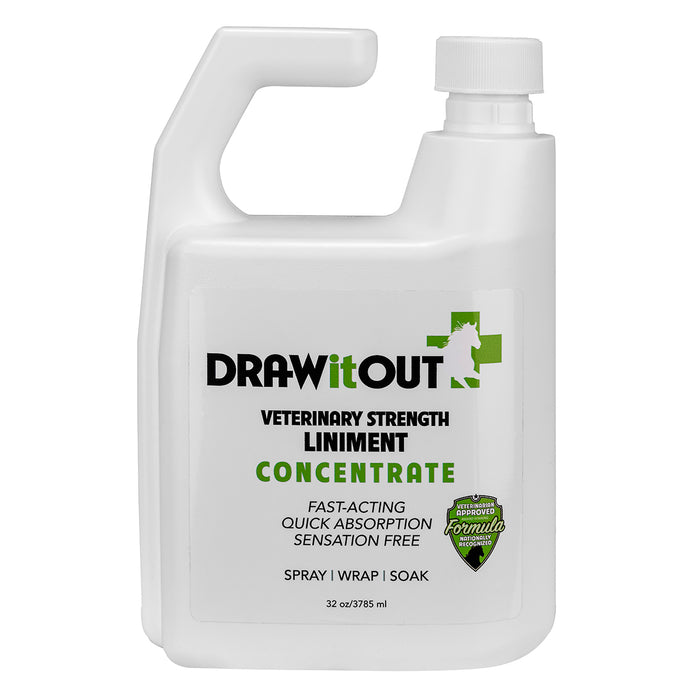
Mix Your Way
A flexible concentrate for riders who want to mix their own routine around workload and barn needs.
View product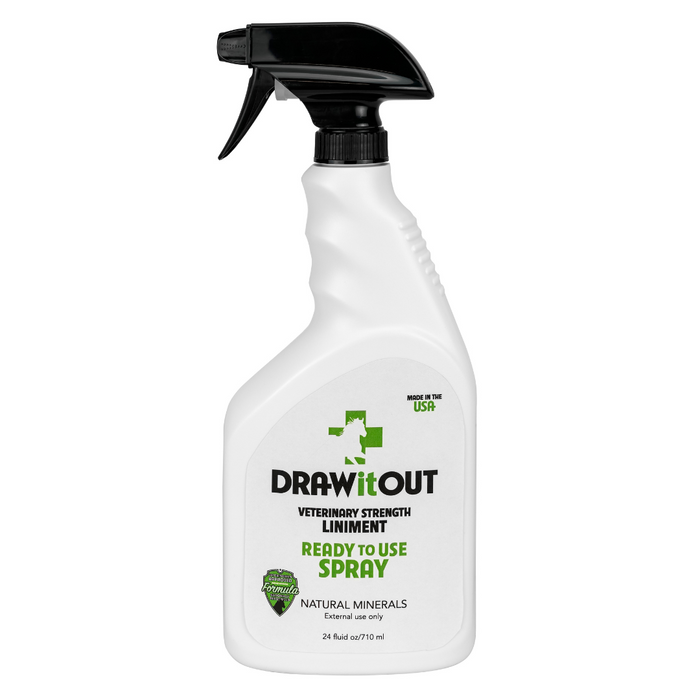
Ready To Use
A ready-to-use spray format for quick application after work, travel, turnout, or daily care.
View product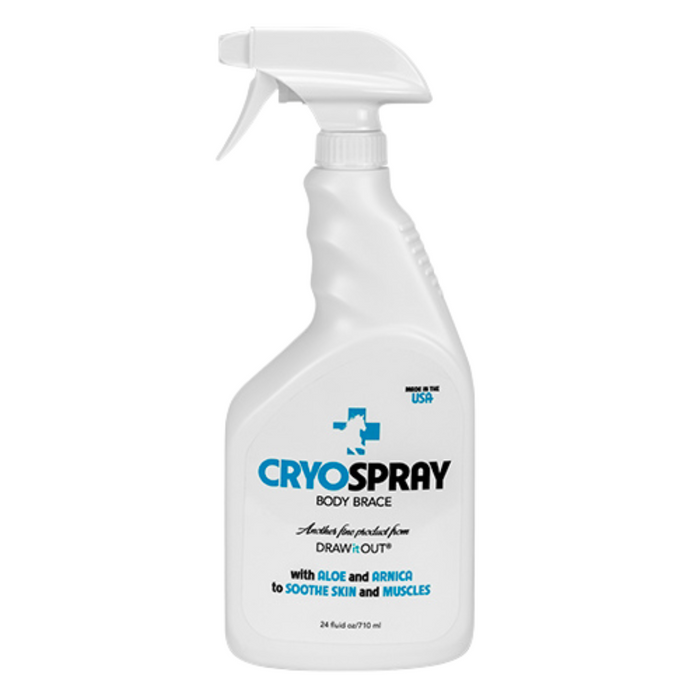
Cooling Brace
A cooling body brace spray for riders who want a fast, practical option after hard work or hot days.
View productFormat matters. Gel, concentrate, ready-to-use spray, and cooling spray each solve a different barn problem. Pick the one your routine will actually use.
!