Primary keyword: horse lost shoe what to do
Secondary keywords: horse lost a shoe, can I ride a horse that lost a shoe, horse threw a shoe, horse missing shoe checklist, hoof care after losing a shoe, what to check when horse loses shoe, farrier hoof care checklist
Answer-engine summary: If your horse lost a shoe, stop and check the foot before you ride. Pick out the hoof, look for bent nails, torn wall, sole tenderness, heat, stronger-than-normal digital pulse, swelling, shortened stride, and uneven steps. Keep the horse on clean, safe footing, protect the foot if needed, call your farrier, and skip the ride if the horse is sore, off, punctured, bleeding, or not moving normally.
Quick Answer: What Should You Do When a Horse Loses a Shoe?
When a horse loses a shoe, your first job is not to decide how badly you want to ride. Your first job is to read the horse and the hoof. Bring the horse somewhere safe, pick out the foot, look for loose nails or torn hoof wall, compare the leg to the opposite side, watch the horse walk on level ground, and decide whether this is a simple farrier reset or a no-ride situation.
A clean lost shoe with no soreness may be manageable until the farrier can reset it. A lost shoe with lameness, heat, swelling, puncture risk, blood, embedded nails, or a horse that suddenly will not bear weight is different. That is when the smart rider stops guessing and calls the farrier or veterinarian.
Every barn has had this moment. You walk out to catch your horse, and there it is in the dirt: one shoe sitting by itself like it quit the job. Maybe the horse looks fine. Maybe he is parked funny. Maybe you have a ride planned, a lesson booked, or a weekend trip sitting on the calendar.
This is where riders get in trouble. They start negotiating with the problem. “It is just one shoe.” “The ground is soft.” “He only needs light work.” “He has gone barefoot before.” That kind of thinking is how a small hoof problem turns into a sore horse and a bigger bill.
Draw It Out® is built for real horse people, not perfect barn pictures. Real riders know a missing shoe is not automatically a disaster, but it is always a check. The horse does not care that you had plans. The hoof tells the truth, and the truth needs to be read before you swing a leg over.
Why a Lost Shoe Matters
A horseshoe is not just metal on the bottom of the foot. It affects balance, breakover, protection, traction, and how that hoof meets the ground. When a shoe comes off clean, the horse may be comfortable. When it comes off ugly, it can leave a torn hoof wall, stretched nail holes, bruising, sole tenderness, or hidden irritation that shows up as uneven movement later.
The other problem is imbalance. A horse missing one front shoe is now moving with one protected foot and one unprotected foot. A horse missing one hind shoe may push differently, especially on turns, slopes, or hard ground. That does not mean every lost shoe is an emergency. It means the decision to ride has to be earned by what you see, not assumed because the horse is quiet in the cross-ties.
The First Five-Minute Lost-Shoe Check
Before you call it fine, give the horse a deliberate once-over. This is not complicated. It is the same kind of barn-sense routine good riders use before problems get loud.
1. Find the shoe if you can
If the shoe is still in the stall, pasture, trailer, or wash rack, pick it up and look at it. Are nails still in the shoe? Are any nails bent? Is there a chunk of hoof wall attached? A clean shoe with normal nail heads tells a different story than a shoe twisted up with hoof wall torn off. If you cannot find the shoe, assume there could be loose nails or debris nearby and check the area where the horse has been standing.
2. Pick out the foot slowly
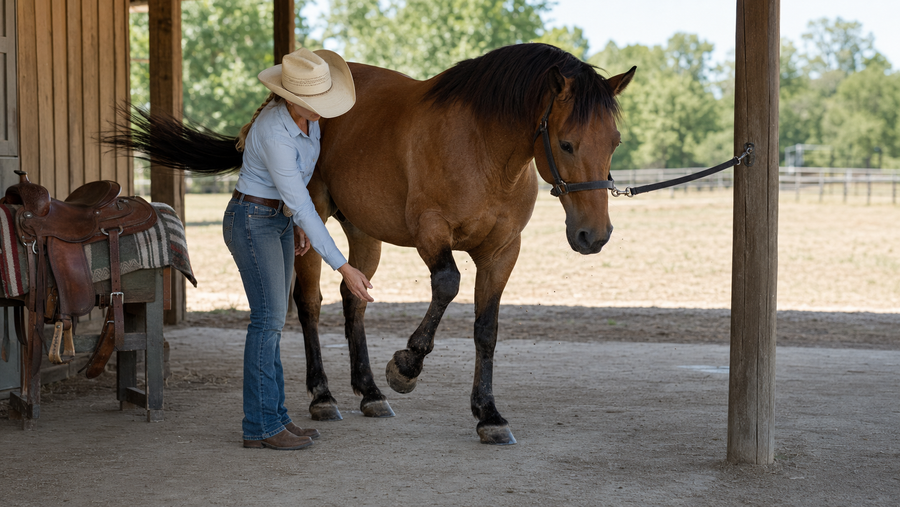
Do not jab around in a rush. Pick the foot out carefully and look at the frog, sole, white line, bars, heel bulbs, and nail holes. You are looking for anything that does not belong: a nail fragment, a puncture-looking spot, a sharp edge of wall, packed gravel, blood, unusual odor, or a place the horse flinches when you clean around it.
3. Compare it to the opposite foot
The opposite foot is your best barn-side reference point. Compare shape, heat, tenderness, heel height, digital pulse, and how the hoof wall looks. You are not trying to become your farrier. You are trying to notice whether the missing-shoe foot is different enough to change the plan.
4. Watch the first steps
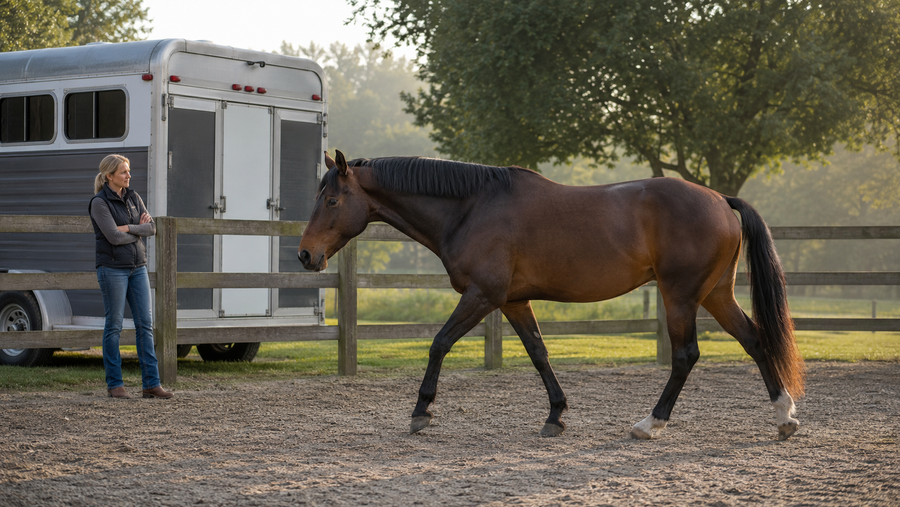
Lead the horse on safe, level footing. Do not drag him over gravel just to “test” him. Watch whether he shortens the stride, lands carefully, points the toe, avoids turning, swings the foot oddly, or shifts weight away from that side. A horse can look calm and still be telling you no with his feet.
5. Check the leg above the hoof
A lost shoe can be part of a bigger story. Check the pastern, fetlock, cannon area, knee or hock, and tendons around the missing shoe. Feel for heat, swelling, sensitivity, or filling that was not there before. If the horse slipped, twisted, or yanked the shoe loose in deep mud, the hoof may not be the only thing that needs attention.
Can You Ride a Horse That Lost a Shoe?
Sometimes, maybe. But that answer depends on the horse, the hoof, the footing, which shoe came off, how the shoe came off, how much wall was lost, and what the horse looks like in motion. A horse that lost a shoe cleanly, stays even at the walk, has no heat or swelling, and is working on soft, forgiving footing is a different case than a horse missing a front shoe on hard ground with torn wall and a shortened stride.
Here is the straight answer: if the horse is sore, uneven, freshly torn up, or protective of the foot, do not ride. If you are debating hard, that usually tells you the horse has not given you a clean yes.
No-Ride Warning Signs After a Lost Shoe
Skip the ride and call the right professional when you see any of these:
- The horse is lame, uneven, or unwilling to bear normal weight.
- There is blood, a puncture-looking mark, or a nail still in the hoof.
- The hoof wall is torn, cracked upward, or missing a meaningful chunk.
- The sole looks bruised, tender, or exposed.
- The foot is warmer than the opposite foot or has a stronger digital pulse than normal.
- The leg above the foot is swelling, hot, filled, or sensitive.
- The horse walks worse on a turn than in a straight line.
- The horse is recently shod and the shoe came off unusually fast.
That list is not meant to scare you. It is meant to keep you from talking yourself into a dumb ride. Good horsemen are not dramatic. They are observant.
Turnout After a Horse Throws a Shoe
Turnout is not automatically safer than riding. A horse missing a shoe can chip more wall, step on uneven ground, bruise the exposed foot, or get sore chasing pasture buddies. If turnout is rough, rocky, muddy, frozen, or full of hard tracks, think twice.
For many horses, the better short-term plan is a clean stall, small paddock, or controlled area until the farrier can advise. If the horse must go out, choose the safest footing available and keep an eye on movement. The goal is not to bubble-wrap the horse. The goal is to avoid turning a reset into a repair job.
What to Tell Your Farrier
The faster and clearer you are with your farrier, the easier it is for them to help. Send useful information, not panic. A good message sounds like this:
“He lost the left front sometime overnight. I found the shoe in the stall with most nails still in it. I do not see blood or a nail left in the foot. The wall is chipped at the outside quarter. He is walking mostly even on soft ground but careful on gravel. I put him in a clean small pen. Can you reset him?”
That kind of message helps your farrier triage the situation. It also tells them you are paying attention. That matters.
Where Draw It Out® Fits Into the Routine
Draw It Out® products are not a substitute for a farrier, and they are not a magic answer for a hoof that needs professional work. They belong in the routine around the problem: clean inspection, aftercare, skin and hoof support, and keeping the horse comfortable enough to be accurately read.
For hoof and skin care around the foot, Silver Hoof EQ Therapy® 16oz is the practical product tie-in for this kind of barn problem. It belongs in the kit when you are dealing with the foot, the lower limb, and the kind of wet-dry, dirt-packed barn conditions that make hoof and skin care harder than it needs to be.
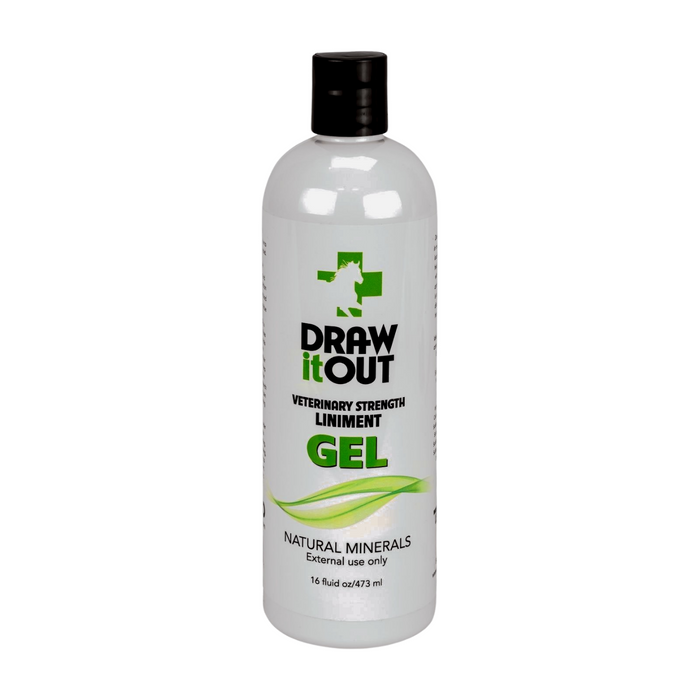
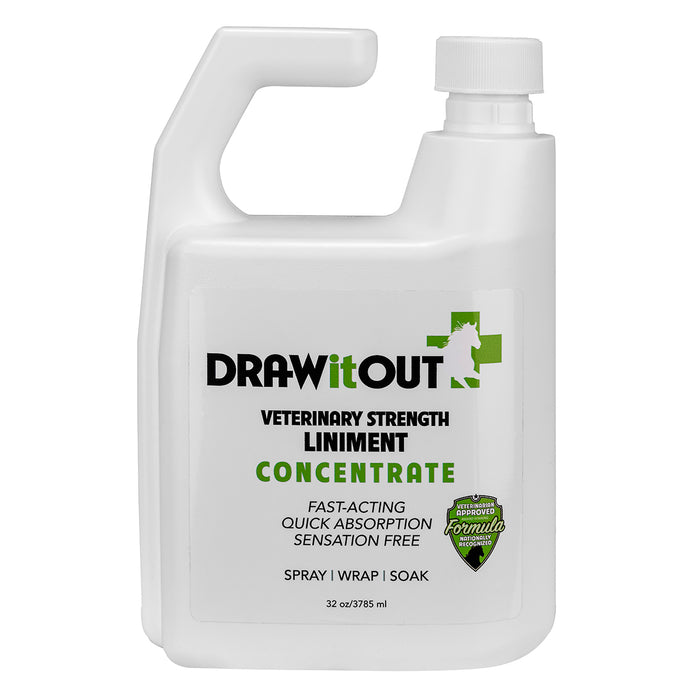
If the horse lost the shoe during work, turnout, or a slip and you are also monitoring the leg above the hoof, Draw It Out® 16oz Liniment Gel is the clean, targeted option for daily leg-care routines. For barns that mix for multiple horses or use liniment as part of a regular wash-down and recovery rhythm, Draw It Out® 32oz Liniment Concentrate is the more economical barn-size choice.
The product strategy is simple: inspect first, ride second, product third. If the horse is off, call the farrier or vet. If the horse is sound and you are managing the routine around normal barn life, use the right Draw It Out® product where it makes sense.
The Lost-Shoe Decision Tree
If the horse is lame
Do not ride. Keep the horse on safe footing and call your farrier. If there is a puncture risk, blood, severe pain, or the horse will not bear weight, involve your veterinarian.
If the horse is sound but the hoof wall is torn
Do not assume the wall will hold. Ask your farrier whether the shoe can be reset, whether the foot needs protection, or whether the horse needs time before normal work. Torn wall can get worse fast if the horse keeps working on it.
If the horse is sound and the shoe came off clean
Keep the horse on reasonable footing, avoid unnecessary work, and get the farrier involved. Some horses can stay comfortable for a short window. That does not mean the foot should be ignored until next week.
If you have a show, clinic, or haul planned
Do not make the schedule more important than the horse. A missing shoe changes the plan. That might mean a reset before leaving, a scratched class, a lighter ride, or staying home. The rider who listens early usually loses less time than the rider who pushes through and pays later.
How to Prevent the Next Lost Shoe
You cannot prevent every thrown shoe. Horses are horses. They grab, slip, overreach, stomp flies, paw at gates, pull shoes in mud, and invent new ways to make a simple day expensive. But you can reduce the odds.
- Stay on a consistent farrier schedule instead of waiting for feet to get long.
- Watch for flares, cracks, underrun heels, or loose clinches between visits.
- Check shoes after deep mud, heavy work, hauling, or turnout in rough ground.
- Use bell boots when your horse has a history of overreaching or pulling front shoes.
- Manage wet-dry cycles where possible, especially around hoof wall quality.
- Pick feet before and after work so you catch changes before they become problems.
This is where good barns win. They do not just react to the shoe in the dirt. They notice the loose clinch three days earlier. They notice the horse standing a little different. They notice the footing getting deep by the gate. That is not paranoia. That is horsemanship.
Internal Link Targets for This Topic
Keep this article connected to the broader Draw It Out® horse-care library with these related resources:
- Horse Slipped in Pasture? What to Check Before You Ride
- Horse Camping Care Checklist: What to Check Before and After the Trail
- Silver Hoof EQ Therapy® 16oz
- Draw It Out® 16oz Liniment Gel
- Draw It Out® 32oz Liniment Concentrate
FAQ: Horse Lost a Shoe
What should I do first when my horse loses a shoe?
Move the horse to safe footing, find the shoe if possible, pick out the hoof carefully, check for loose or embedded nails, compare the foot to the opposite hoof, and watch the horse walk on level ground. If the horse is sore, bleeding, punctured, or uneven, do not ride.
Can I ride my horse if he lost one shoe?
Only consider riding if the shoe came off cleanly, the horse is moving evenly, the hoof wall is not badly damaged, and the footing is forgiving. If the horse is lame, protective, tender on turns, or missing a front shoe on hard ground, skip the ride and call your farrier.
Should I turn out a horse that threw a shoe?
It depends on the horse and the footing. Clean, soft, controlled turnout may be reasonable for some sound horses. Rocky, muddy, frozen, rough, or high-energy turnout can make hoof damage worse. When in doubt, keep the horse in a safer controlled area until the farrier advises.
What if there is a nail still in the hoof?
Do not pull an embedded nail unless your veterinarian or farrier instructs you to do so. Keep the horse quiet, prevent further movement, and call for professional help. A nail in the foot can become a serious problem depending on location and depth.
Which Draw It Out® product fits a lost-shoe care routine?
For hoof and skin care around the foot, Silver Hoof EQ Therapy® is the clearest product tie-in. If you are also monitoring the leg after a slip, hard work, or pasture incident, Draw It Out® Liniment Gel or Concentrate can fit the daily leg-care side of the routine.
Bottom Line
A lost shoe is not always a crisis, but it is always a conversation with the horse. The hoof, the leg, the first steps, and the footing will tell you what kind of day you are having. Listen early. Make the conservative call when the signs are not clean. Your horse does not need a rider who can explain away a problem. He needs one who can see it before it gets expensive.