

Daily recovery
Liniment Gels
Explore the Draw It Out® liniment gel lineup for everyday use, post-work routines, and targeted recovery support.
Shop liniment gels
Horse color guide
A liver chestnut horse is a very dark shade of chestnut with a deep red-brown, mahogany, chocolate, or nearly black-looking coat. It remains genetically chestnut and does not have true black points.
Quick answer: Check the horse in natural light. A liver chestnut should show red, copper, or warm brown pigment through the body, mane, tail, and lower legs—not the true black points of a bay. “Liver” describes the depth of the red coat; it is not a separate breed, temperament, or health condition.
Liver chestnut is the darkest end of the chestnut color range. Some horses look deep mahogany or chocolate, while others appear almost black in shade or winter coat. The defining feature is not simply darkness. It is a red-based coat without true black hair in the mane, tail, or lower legs.
Liver chestnut is also called dark chestnut. Shade words such as “liver,” “mahogany,” “dark red,” or “chocolate chestnut” are descriptive barn language. Boundaries between ordinary chestnut and liver chestnut are subjective, and registries may use different terminology.
Chestnut is a red base color associated with recessive forms at the Extension/MC1R locus. A chestnut horse inherits red-base versions from both parents, so black pigment is not expressed in the hair coat. That is why a true liver chestnut can be extremely dark but still lacks black points.
The genetics controlling exactly how light or dark a chestnut appears are not fully captured by one simple “liver” test. Multiple modifiers, family lines, seasonal coat, and environment can affect the visible shade. A basic red-factor test can help separate chestnut from black- or bay-based lookalikes, while additional testing may be needed when silver, cream, or other modifiers are possible.
Liver chestnut belongs to the red/chestnut family, not the black or bay family.
“Liver” describes a dark appearance. It is not generally treated as a separate base-color gene.
The mane, tail, and lower legs may be very dark red-brown, but they should not be genetically black.
Use coat-color DNA testing when registration, breeding, parentage, or a difficult visual identification makes certainty important.
| Color | Body appearance | Best distinguishing clue |
|---|---|---|
| Liver chestnut | Deep red-brown, mahogany, chocolate, or almost black | No true black points; warm red pigment appears in good light |
| Dark bay | Very dark brown or red-brown body | Black mane, tail, ear edges, and lower legs |
| Seal brown | Near-black body with lighter brown or reddish soft areas | Black-based points remain; visual cases can be difficult |
| True black | Black body and points, though sun fading may create rust | Underlying hair remains black rather than red-based |
| Smoky black | Black-based horse carrying one cream allele; appearance varies | Often visually indistinguishable from black; DNA testing resolves it |
| Silver dapple | Chocolate or gray-brown body with diluted mane and tail | Black-based silver can imitate liver chestnut with flaxen; test when uncertain |
A flaxen liver chestnut has a dark red-brown body with a substantially lighter mane and tail. The contrast can resemble a chocolate palomino or silver dapple, but those are different genetic combinations. Look for red or honey tones rather than gray-black pigment, inspect the hair roots, review the parents, and test when the distinction matters.
The underlying red-base genetics do not change, but the visible shade can shift dramatically. A liver chestnut may look darker in winter, brighter after shedding, reddish after sun exposure, or dull and nearly black when dusty. Clipping, sweat, bathing residue, coat length, camera white balance, and indoor lighting also alter the appearance.
Color change alone does not necessarily mean a health problem. Sudden coat-quality changes accompanied by weight loss, skin trouble, illness, poor appetite, or performance changes belong in a veterinary conversation rather than a color article.
Liver chestnut can occur in many breeds that carry chestnut, including Thoroughbreds, warmbloods, Morgans, Arabians, Quarter Horses, ponies, and draft or sport-horse populations. Breed does not prove the shade, and a dark coat does not identify a breed.
No coat color reliably predicts whether a horse will be hot, quiet, sensitive, stubborn, athletic, or easy to train. Temperament comes from the individual horse, genetics beyond color, handling, environment, health, and experience. “Chestnut mare” stereotypes are barn folklore, not a care plan.
Foal coats can be lighter, duller, or less clearly red than the adult coat. Some dark chestnuts deepen after shedding; others change with age and season. A foal’s first coat should not be the only evidence used for registration or breeding decisions.
Grooming cannot manufacture a darker liver shade. It can remove dust, sweat, stains, and residue so the horse’s natural red-brown coat is easier to see.
Use ShowBarn Secret® Lavender Horse Shampoo for routine wash-rack cleaning when a full bath fits.
Use ShowBarn Secret® Waterless Tea Tree Shampoo for sweat marks, dust, cold weather, or travel days.
Use Citraquin® Environmental Defense Spray when environmental defense belongs in the warm-weather grooming plan.
Compare the current range in the ShowBarn Secret® collection. Follow each product’s current label and never use grooming products to hide a skin or health problem.
It is generally a descriptive dark shade within the chestnut family rather than a separate base color.
No. Liver chestnut is red-based and lacks true black points, even when the coat looks almost black.
Both are red-based. Liver chestnut describes the darkest red-brown, mahogany, or chocolate-looking shades.
Yes. Flaxen can create a light mane and tail on a dark chestnut body, but silver dapple and other lookalikes should be considered.
No. “Liver” is only a traditional color description and does not indicate the condition of the horse’s liver.
They are less commonly seen than medium chestnut shades, but frequency varies by breed and bloodline.
Use natural-light inspection, parent colors, registry guidance, and reputable coat-color DNA testing when visual identification remains uncertain.
For the broader red-coat family, read the Chestnut vs. Sorrel Horse Guide. Continue to Horse Coat & Grooming Help or browse ShowBarn Secret® Grooming Products.
Educational content only. Coat color does not determine soundness, temperament, performance, or health. Use veterinary, registry, and laboratory guidance when those decisions matter.
Care for the coat behind the color
Liver chestnut color is genetic. Dust, sweat, dullness, and wash-rack buildup are grooming issues. When a full bath is the right step, ShowBarn Secret® Lavender Horse Shampoo is the sulfate-free, salt-free route.
ShowBarn Secret® Lavender Horse Shampoo 32oz
See Lavender Horse ShampooJoin the list for relevant, barn-ready care notes without a cluttered product pitch.
Marketing emails. Unsubscribe anytime.
This article gives you the background. If you are ready to put the idea into a real horse care routine, these are the next places most riders should go.
Explore the Draw It Out® liniment gel lineup for everyday use, post-work routines, and targeted recovery support.
Shop liniment gelsMatch your horse’s workload, age, routine, and care goals to the Draw It Out® products that make the most sense.
Use the finderLearn how riders support soundness, comfort, and consistency before little issues become bigger problems.
Read the guideBased on this topic, this is the most direct product path to explore next.
Real Barn Proof
Real riders. Real horses. Real routines. These clips rotate automatically so the proof stays fresh without weighing the page down with a long feed.
Why this matters: good horse care should make sense outside the ad. These clips show the kind of everyday use that builds trust one barn at a time.
Further Reading
Horse care works better when the next step is clear. These related reads help connect today’s topic to better daily decisions in the barn.
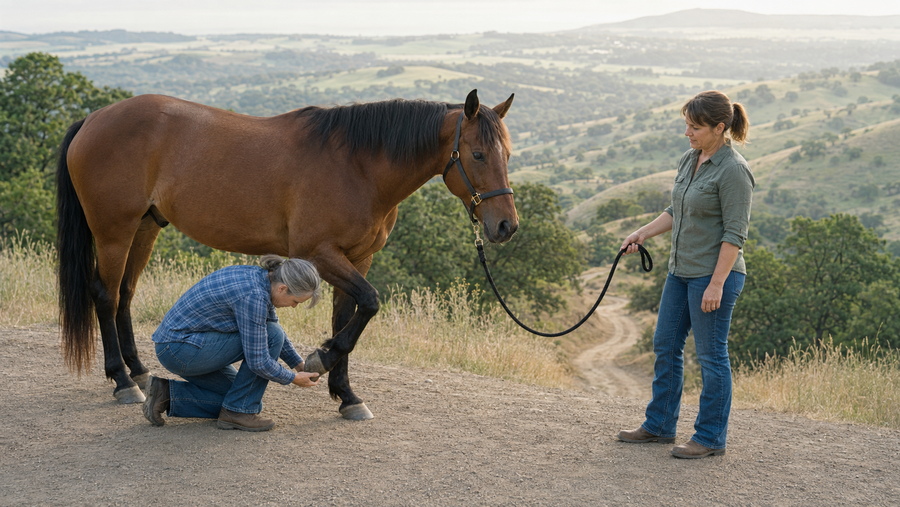
Jul 14, 2026
A practical horse health guide for horses reluctant downhill: front feet, shoulders, saddle balance, footing, and vet or farrier red flags.
Read article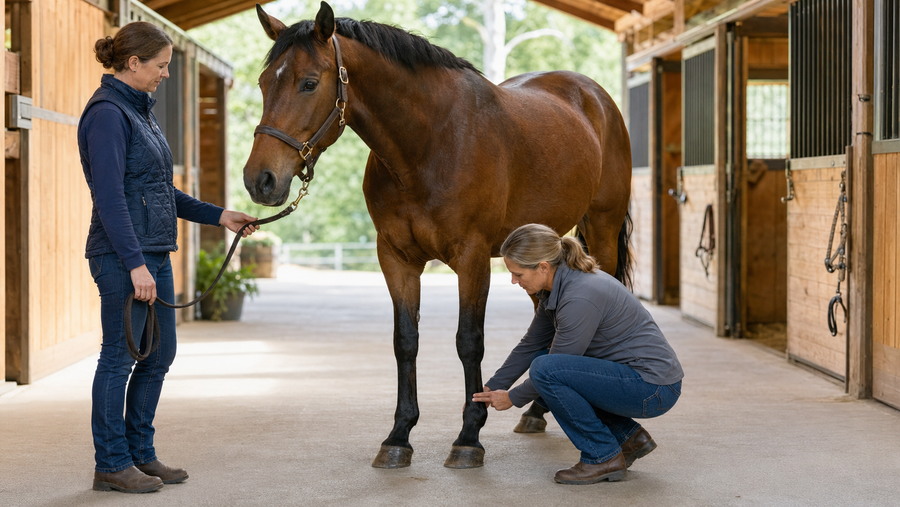
Jul 14, 2026
A rider-first guide to checking a stronger horse digital pulse, comparing all four feet, reading hoof heat and movement, and recognizing veter...
Read article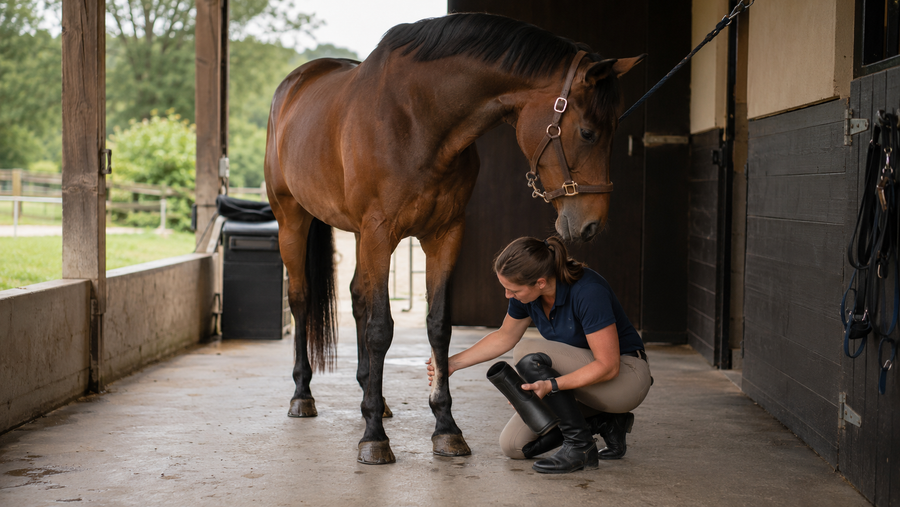
Jul 13, 2026
A practical horse health guide for skin scabs under boots: boot fit, trapped sweat, dirt, rub lines, skin checks, and when to call the vet.
Read articleStart with the principle, then build the habit. The right article should make the next barn decision easier, not more complicated.
Next Step
Simple care guides, practical product paths, and rider-trusted tools built for real horses and real routines.
Good care gets easier when the next step is obvious. Read the guide, match the routine, then choose the format that fits how your barn actually works.
Recovery Routine
Want a smarter way to think through post-ride care, heat, swelling, leg support, and daily recovery decisions? Start with the Performance Recovery Hub.
Better recovery starts with a repeatable routine. The hub gives riders a clearer path from workload to product format to aftercare timing.
Rider Favorites
Four core Draw It Out® staples riders keep close for daily recovery routines, wash rack use, targeted support, and quick barn-side care.
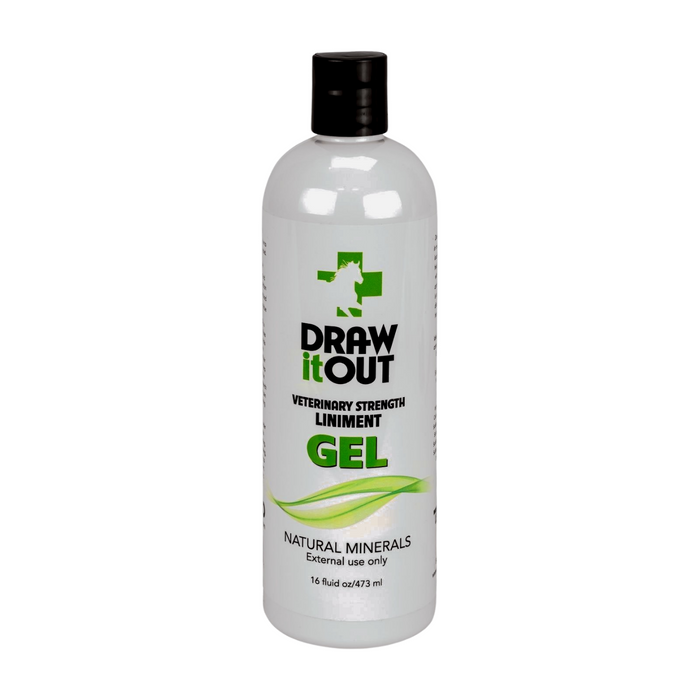
Stay-Put Gel
The everyday liniment gel format riders reach for when they want targeted, no-mess application.
View product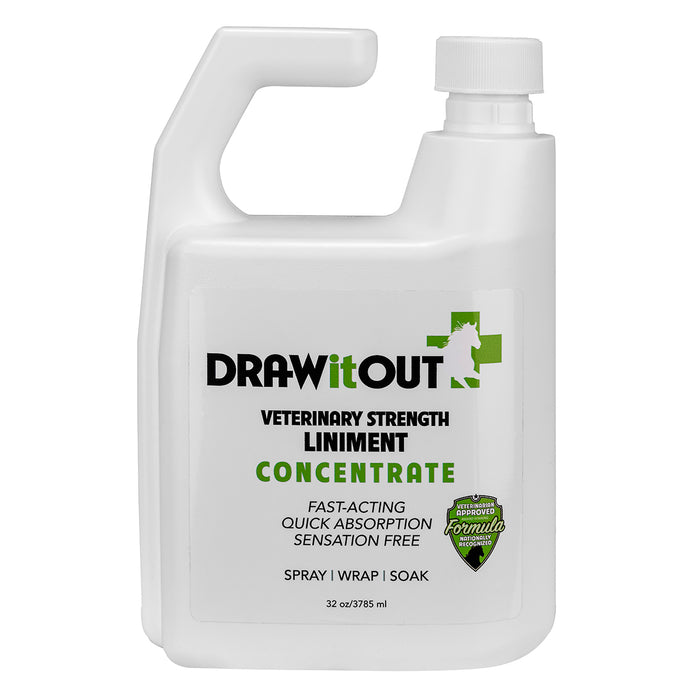
Mix Your Way
A flexible concentrate for riders who want to mix their own routine around workload and barn needs.
View product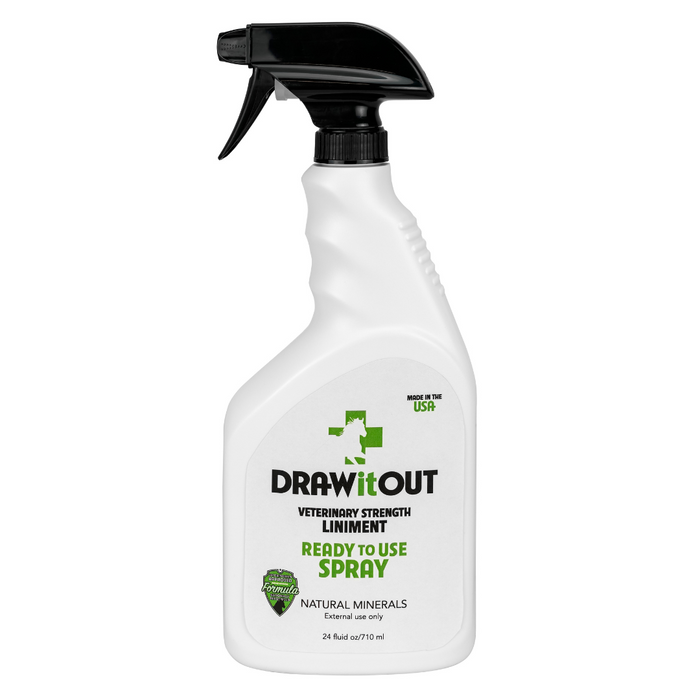
Ready To Use
A ready-to-use spray format for quick application after work, travel, turnout, or daily care.
View product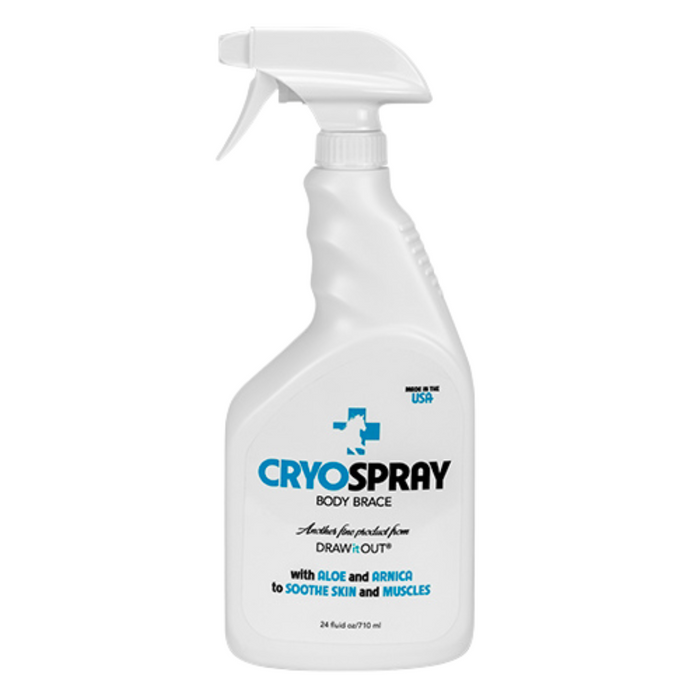
Cooling Brace
A cooling body brace spray for riders who want a fast, practical option after hard work or hot days.
View productFormat matters. Gel, concentrate, ready-to-use spray, and cooling spray each solve a different barn problem. Pick the one your routine will actually use.
!