


Jul 09, 2026
Horse Drinking Less Away From Home? What Real Riders Track
A Real Rider Resource guide for tracking horses that drink less away from home at shows, clinics, rodeos, and trailheads.

Real Rider Resource
A hoof bruise can show up as sudden soreness, short stride, reluctance on hard ground, stronger digital pulse, or a horse that seems off but not dramatically lame.
Quick answer: Suspect a hoof bruise when the horse is foot sore after hard ground, rocks, lost shoe, thin soles, or a hard workload. Check digital pulse, hoof heat, sole sensitivity, and involve a farrier or veterinarian if pain is significant or worsening.
Hoof-care next step
If the horse is lame, hot, pulsing, or worsening, call the farrier or veterinarian. After urgent causes are ruled out, Silver Hoof EQ Therapy® can support the ordinary hoof, heel, and frog care routine. It does not diagnose or treat a hoof bruise.
Silver Hoof EQ Therapy® 16oz — $55.99 with free U.S. shipping
Check the Digital Pulse Guide FirstSee Silver Hoof 16ozEducational support only. Hoof pain can escalate quickly. When in doubt, call your farrier or veterinarian.
The best routines are quiet. They do not draw attention, but they prevent problems before they show up.
A Real Rider Resource guide for tracking horses that drink less away from home at shows, clinics, rodeos, and trailheads.
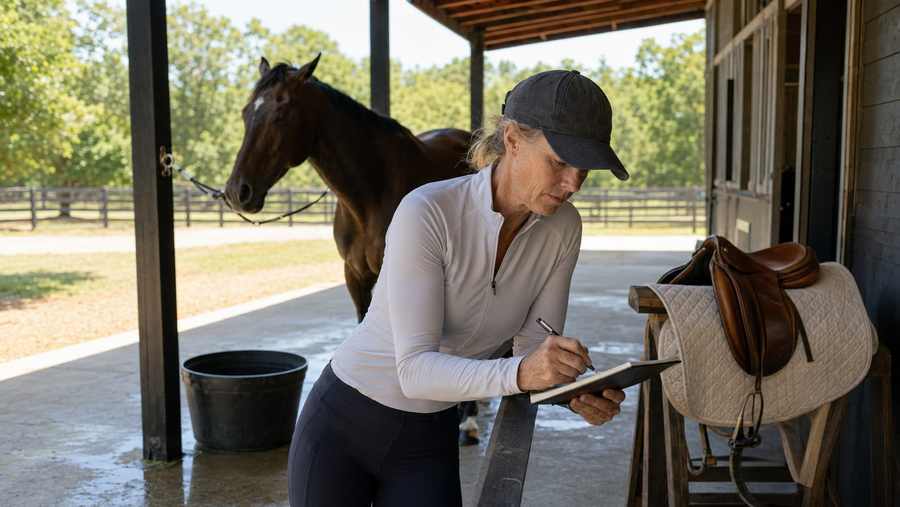
A Real Rider Resource guide for keeping a rider’s heat journal after hot rides: what to track and how to adjust the plan.
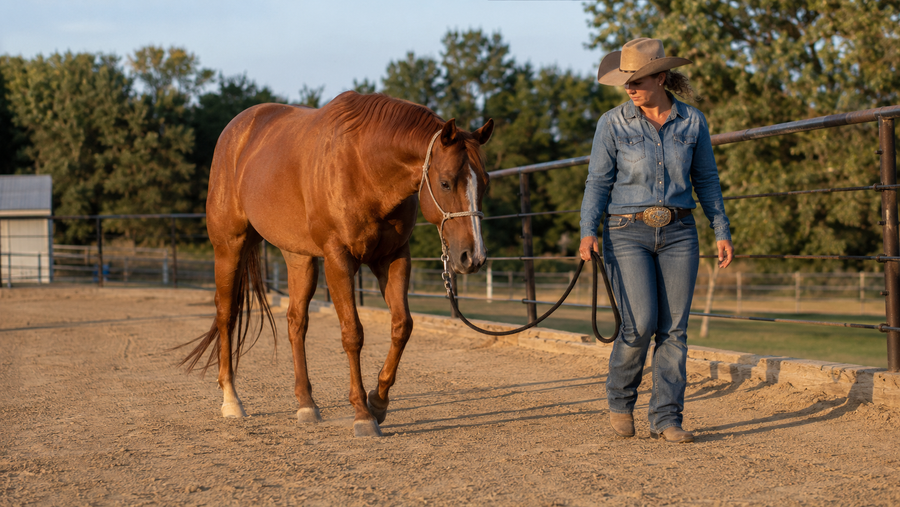
A Real Rider Resource guide to hard summer footing, what riders should check, when to adjust the ride, and how liniment, Fluid Flex EQ®, ...
Want a smarter way to handle soreness, heat, swelling, and post-ride leg care? Visit our Performance Recovery Hub for clear routines and product guidance.
Visit the Recovery Hub!