

Jul 14, 2026
The Day After a Long Haul: What Real Riders Notice
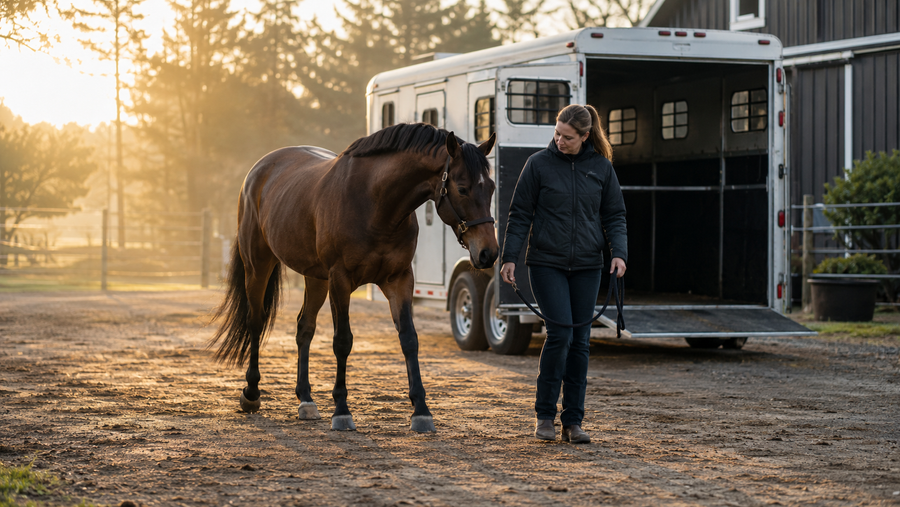
A Real Rider Resource guide for the day after a long haul: what to notice before asking the horse for more.

Hard summer footing changes the ride before the rider feels it. Dry arenas, baked trails, hard lots, and sun-cooked ground can make a good horse shorten, brace, or recover slower.
When summer footing gets hard, real riders watch stride length, hoof comfort, turning, willingness to move forward, and how the horse feels the next morning. The right response is not always harder conditioning. Sometimes it is smarter footing, shorter work, a recovery day, or a call to the farrier or veterinarian.
Footing changes concussion, confidence, traction, and effort. A horse that felt good in deeper or softer footing may feel guarded on hard ground. That is not attitude. That is information.
Change the ride before the horse changes it for you. Use longer walk time, fewer hard stops, less speed, bigger turns, or a better surface. If the horse is repeatedly short after hard ground, write it down and call the right professional.
Use the Horse Health Library to think through footing and recovery patterns. If post-ride external support fits the routine, review the active Draw It Out® Liniment collection. If repeated hard ground points to daily mobility support, use the Horse Joint Support for Hard Ground guide or the Fluid Flex EQ® Answer Map.
Ask your veterinarian or farrier about persistent shortness, hoof heat, strong digital pulse, swelling, repeated soreness, obvious lameness, or a horse that changes movement after hard ground.
Yes. Hard footing can change comfort, traction, concussion, and next-day recovery.
Not blindly. Adjust the ride and investigate repeating patterns before they become bigger problems.
The horse does not need to win an argument with hard footing. The rider needs to make a better plan.
Most soundness issues do not come from one bad ride. They come from small things ignored over time.
A Real Rider Resource guide for the day after a long haul: what to notice before asking the horse for more.
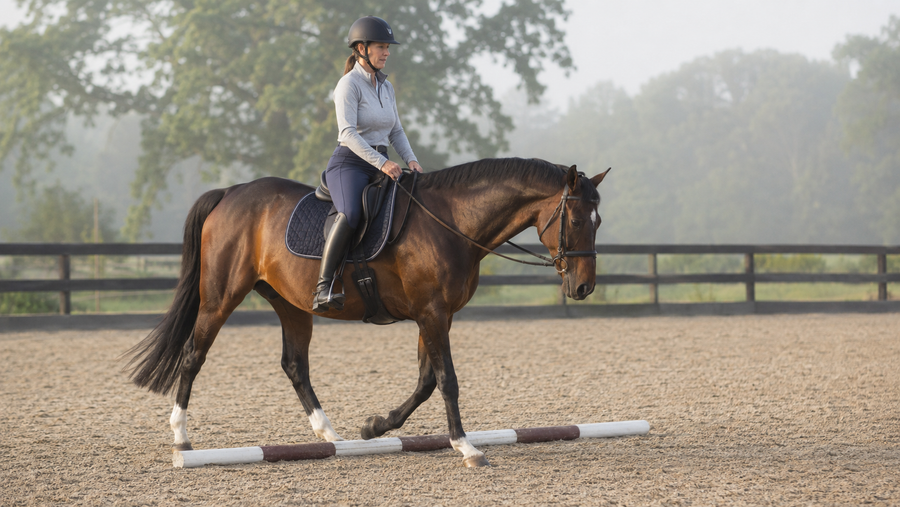
A Real Rider Resource guide for sticky warmups: what to check, how to simplify the ask, and when to change the ride plan.
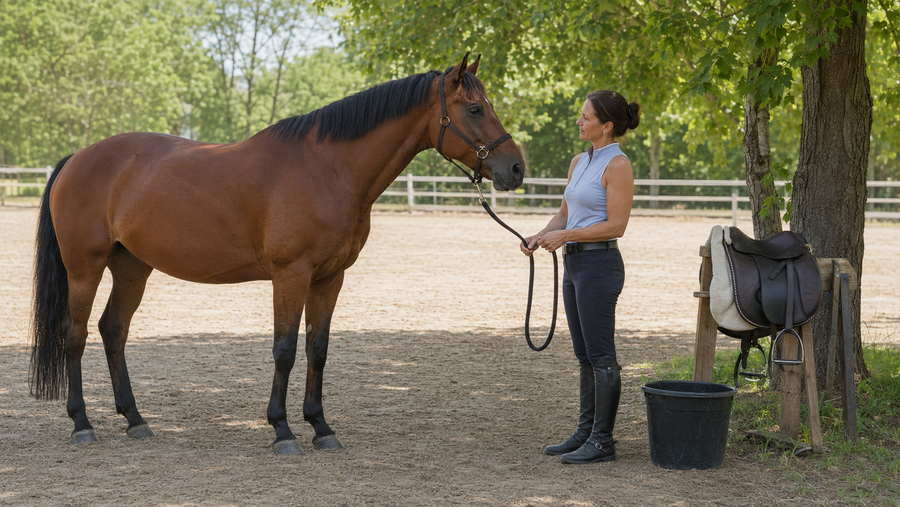
A Real Rider Resource guide for checking heat, workload, recovery, tack, discomfort, and behavior before labeling a summer horse tired or...
Want a smarter way to handle soreness, heat, swelling, and post-ride leg care? Visit our Performance Recovery Hub for clear routines and product guidance.
Visit the Recovery Hub!