

Jul 15, 2026
How to Read a Horse That Quits Earlier Than Normal
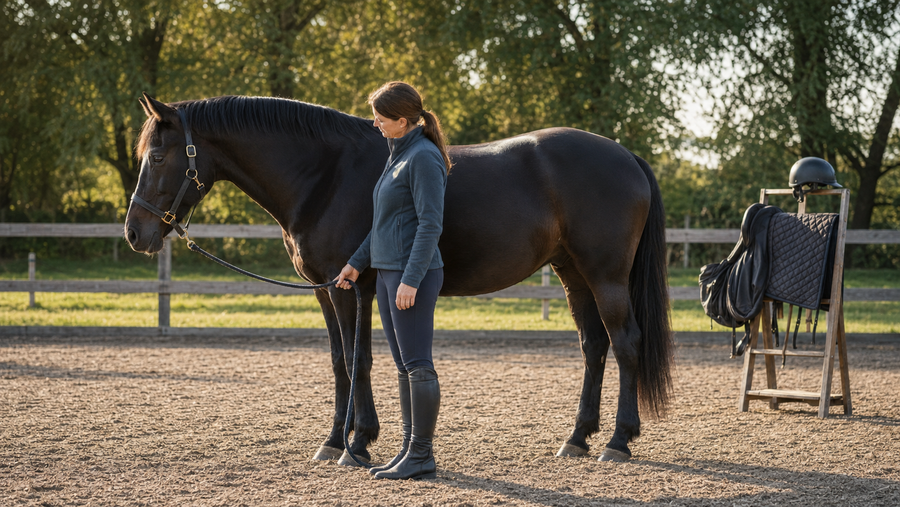
A Real Rider Resource guide for reading a horse that quits earlier than normal without jumping straight to attitude.

Real Rider Resource
A swishing tail under saddle is communication. It can mean flies, irritation, cue confusion, tack pressure, fatigue, or discomfort.
Quick answer: One swish may mean nothing. Repeated tail swishing during transitions, collection, leg cues, girthing, or bending is a pattern worth investigating.
Read the timing before you choose a product
First check saddle fit, girth area, skin, cue timing, back, hocks, stifles, and workload. After pain, tack, skin, and veterinary red flags are ruled out, Draw It Out® 16oz Liniment Gel is the simple targeted body-care route. It does not diagnose why a horse swishes its tail.
One bottle — $25.99 • Two Pack — $52 with free U.S. shipping
Get the $52 Free-Shipping Two PackRubbing or irritated-looking skin? Use the Skin Spot Finder
Pattern still unclear? Use the Solution Finder
It can be. Persistent, cue-specific, or new tail swishing should be read as information, especially when paired with resistance or body tension.
Educational support only. Not veterinary advice.
Most soundness issues do not come from one bad ride. They come from small things ignored over time.
A Real Rider Resource guide for reading a horse that quits earlier than normal without jumping straight to attitude.
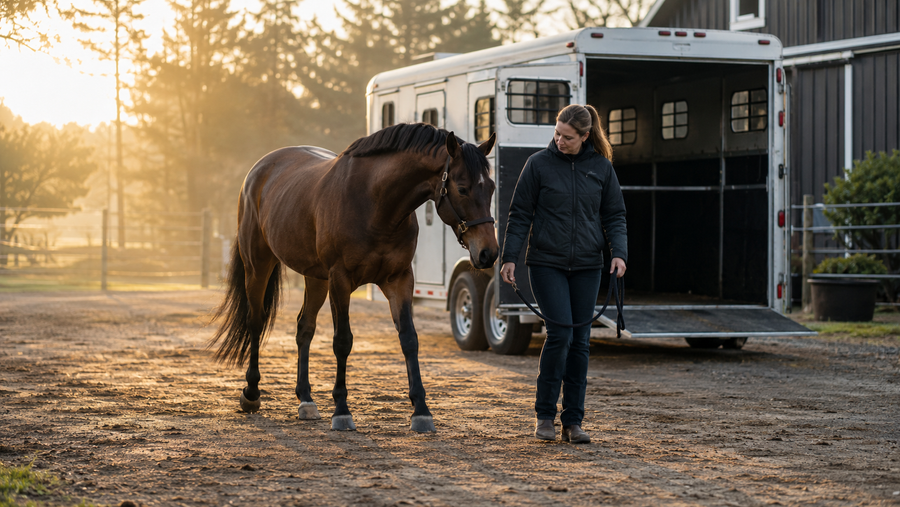
A Real Rider Resource guide for the day after a long haul: what to notice before asking the horse for more.
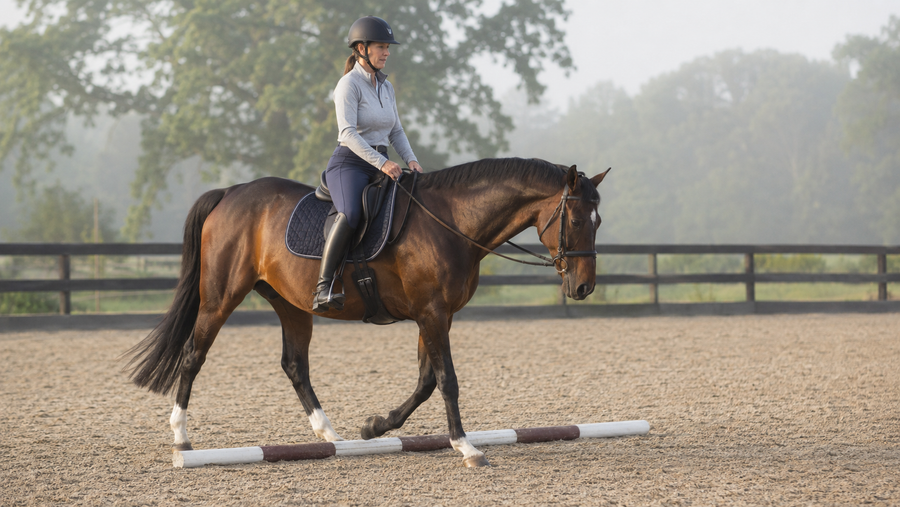
A Real Rider Resource guide for sticky warmups: what to check, how to simplify the ask, and when to change the ride plan.
Want a smarter way to handle soreness, heat, swelling, and post-ride leg care? Visit our Performance Recovery Hub for clear routines and product guidance.
Visit the Recovery Hub!