Real Rider Resource
Spring Saddle Fit Changes: Why Your Horse Feels Different Under Saddle
Same saddle. Same pad. Same horse.
But now the ride feels different.
Not broken. Not dramatic. Just different enough that your hands notice it before your eyes do.
Quick take: Spring can change how your horse carries muscle, posture, and body condition. Those changes can alter how the saddle sits, balances, and moves, even when the tack itself has not changed.
It Fit Fine Before. So What Changed?
This is the part riders miss.
The saddle may not have changed at all.
The horse underneath it did.
As spring work increases, horses begin rebuilding topline, using the back differently, carrying the shoulder differently, and redistributing condition. A saddle that felt invisible in late winter may suddenly feel less stable once the horse starts changing shape underneath it.
Spring Quietly Reshapes the Horse
This is not always about obvious weight gain or loss.
It is often about redistribution.
- Muscle tone begins to return.
- The topline starts to fill or lift differently.
- Shoulder movement changes with conditioning.
- Body condition shifts with grass, feed, turnout, and workload.
- Hydration and sweat patterns change with warmer weather.
The horse you are riding now may not be the same shape you were riding a few weeks ago.
Small Changes Can Make the Saddle Feel Very Different
Saddle fit is precise.
Even small changes in topline, shoulder freedom, or back shape can affect how the saddle sits, where pressure lands, and whether the horse can lift through the back comfortably.
It does not take a dramatic change to change the ride.
A few millimeters can change the feel. That is why spring saddle fit problems often show up as subtle movement changes before they look obvious from the ground.
What a Spring Fit Shift Feels Like
Most riders do not notice one big problem. They notice a pattern.
- The saddle feels less settled.
- The horse feels shorter through the back.
- Transitions feel less fluid.
- Stretching over the topline feels harder.
- The horse braces or resists in small ways.
- The ride feels less connected than it did recently.
That does not automatically mean something serious is wrong.
It does mean the pattern deserves attention before training gets blamed.
Why It Shows Up Now
Spring stacks variables quickly.
- Workload increases before full fitness returns.
- Turnout often increases movement.
- Fresh forage can change condition.
- Coat shedding changes friction under tack.
- Early conditioning can build uneven muscle at first.
The body under the saddle is adapting faster than the tack setup is being reevaluated.
The Common Misread
It is easy to call it attitude.
Or freshness.
Or a training gap.
Sometimes that is true. But when the change is sudden, subtle, and tied to spring workload, saddle fit belongs in the conversation.
What Happens If It Gets Ignored
A slightly wrong saddle does not always create an immediate blowup.
More often, the horse compensates.
- The back gets tighter.
- The stride gets shorter.
- The horse stops lifting as freely.
- One direction starts feeling harder.
- Recovery between rides feels less complete.
Small pressure patterns become movement patterns. Movement patterns become habits. Habits take longer to unwind.
Early Signs Riders Miss
Before soreness becomes obvious, look for the quiet clues.
- Uneven sweat patterns under the saddle pad.
- Dry spots where contact should be even.
- New sensitivity during grooming or saddling.
- Changes in how the horse steps into the first trot.
- A horse that starts fine but fades as the ride goes on.
Those details are not noise. They are early information.
Managing Seasonal Saddle Fit Changes
You do not always need a new saddle.
But you do need awareness.
- Recheck fit as conditioning changes.
- Watch the horse in motion, not only standing still.
- Compare the beginning of the ride to the end.
- Notice whether pad changes improve or mask the issue.
- Use a qualified saddle fitter when patterns persist.
The best riders do not wait until the horse is loudly uncomfortable. They read the small changes early.
Where Prehabilitation Fits
Prehabilitation is the habit of supporting the horse before minor stress turns into a bigger problem.
For spring saddle fit changes, that means building a steady routine around warm up, recovery, back comfort, and workload management while you monitor the fit pattern.
Routine support does not replace saddle fitting. It helps the horse stay comfortable while you address workload, pressure, and movement patterns clearly.
The Saddle Did Not Change. The Horse Did.
That is the takeaway.
Spring is not just a change in weather. It is a change in the horse’s body.
And when the horse changes, everything sitting on top of that horse deserves a second look.
The riders who stay ahead of it do not wait for obvious problems. They listen early. Adjust early. Support the horse early.
That is how small seasonal changes stay small.
FAQ
Can saddle fit really change in spring?
Yes. Spring workload, topline rebuilding, turnout changes, and body condition shifts can all affect how the saddle sits and moves.
Why does my saddle suddenly feel different?
The saddle may be the same, but your horse’s body may not be. Even subtle changes in muscle, posture, or back shape can change saddle balance and contact.
Does this mean I need a new saddle?
Not always. It may mean the current fit needs to be rechecked, adjusted, or monitored as your horse changes through conditioning.
What are early signs of saddle fit stress?
Watch for uneven sweat marks, dry spots, new sensitivity, shorter stride, resistance in transitions, or a horse that feels worse later in the ride.
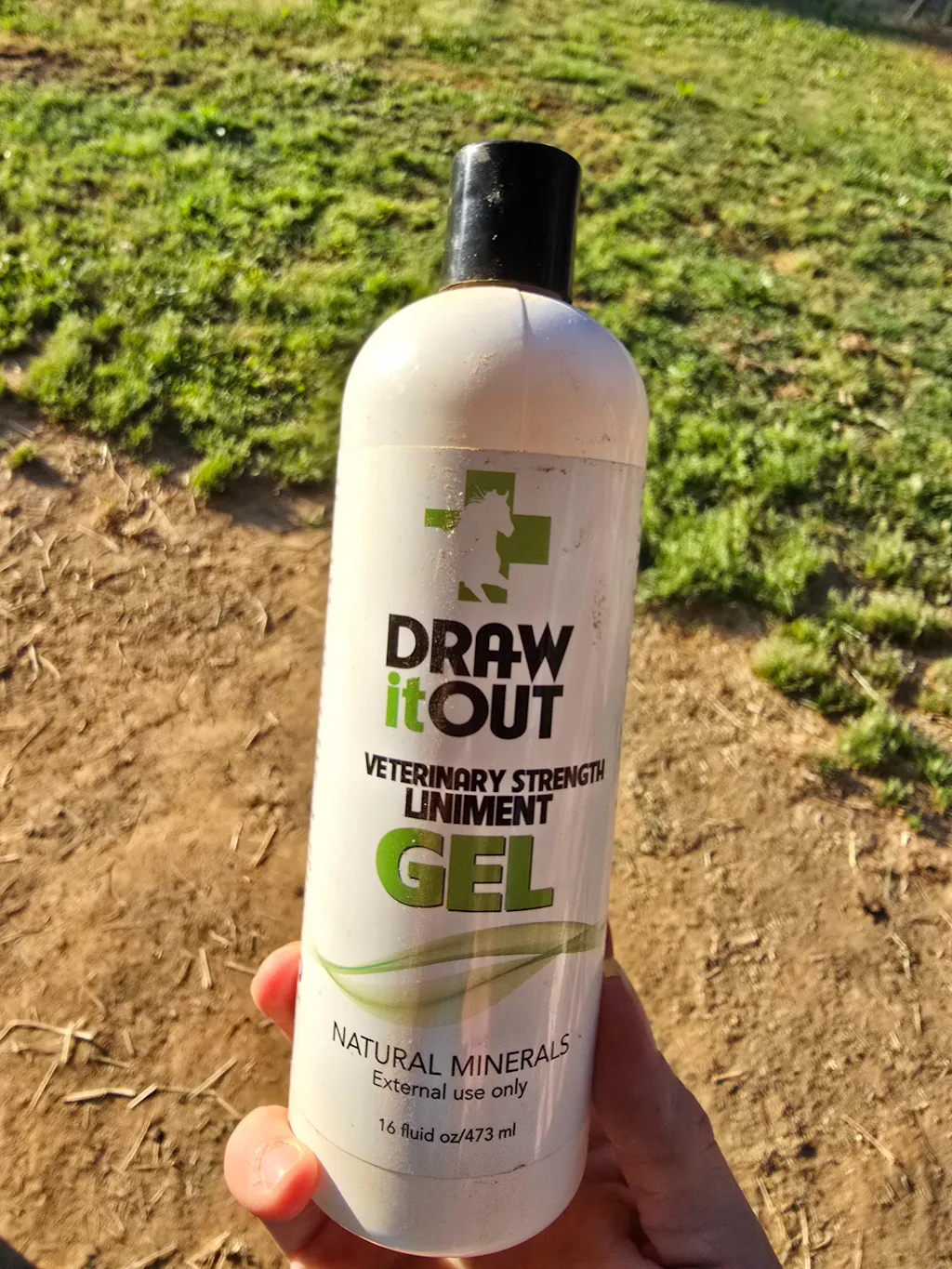
Can liniment gel help with saddle fit problems?
Liniment gel can support comfort as part of a routine, but it does not fix saddle fit. Address the root cause with tack evaluation, workload management, and professional help when needed.
This article is educational and not a diagnosis. If your horse shows persistent pain, heat, swelling, lameness, behavior change, or worsening discomfort, contact your veterinarian, trainer, or qualified saddle fitter.