Rhinopneumonitis in Horses: EHV Signs and Biosecurity
Equine herpesvirus can look like an ordinary respiratory illness, cause reproductive loss, or—in some EHV-1 and EHV-4 cases—produce serious neurologic disease. A calm plan starts with early veterinary contact, isolation, temperature monitoring, and clean barn boundaries.
Quick answer: Rhinopneumonitis is a common name associated with equine herpesvirus, especially EHV-1 and EHV-4. Fever, nasal discharge, cough, depression, abortion, difficulty urinating, loss of tail tone, stumbling, hind-limb weakness, or inability to rise all deserve immediate veterinary direction. Separate a potentially exposed or sick horse from others and do not share people, buckets, tack, tools, or equipment between groups.
What riders mean by EHV and rhinopneumonitis
Equine herpesvirus is a family of contagious viruses found in horses worldwide. EHV-1 is associated with respiratory disease, abortion and stillbirth, and the neurologic syndrome called equine herpes myeloencephalopathy, or EHM. EHV-4 is more commonly associated with respiratory disease, particularly in younger horses, but it can also be involved in abortion and occasional neurologic disease.
Clinical signs are not always specific. A horse may look mildly dull or develop a fever before more recognizable respiratory signs appear. Some horses may show no obvious illness while exposure is being investigated. That uncertainty is why owners should work from a veterinarian-led biosecurity plan instead of waiting for a dramatic symptom.
Signs to monitor and report
Respiratory and general signs
- Fever or a temperature above the horse’s normal baseline.
- Nasal discharge or cough.
- Depression, dullness, or reduced appetite.
- Swollen lymph nodes or other changes your veterinarian asks you to track.
Neurologic red flags
- Stumbling, incoordination, or hind-limb weakness.
- Leaning for balance, head tilt, or loss of tail tone.
- Difficulty urinating or urine dribbling.
- A horse that goes down or cannot rise.
Breeding-barn concerns
- Abortion or stillbirth.
- Illness in a newborn foal.
- Exposure of pregnant mares to a sick or returning horse.
- Shared equipment between maternity and transient-horse areas.
What to do when EHV is suspected
- Call your veterinarian before moving the horse. Describe signs, temperatures, travel, event attendance, new arrivals, and known contacts.
- Separate the horse. Use a designated area and avoid nose-to-nose contact while the veterinarian directs next steps.
- Stop shared traffic. Assign separate water and feed buckets, tack, grooming tools, manure equipment, thermometers, and handlers when possible.
- Control the order of chores. Care for healthy, unexposed groups first and the isolated group last. Change or disinfect footwear and outerwear as directed.
- Document temperatures and signs. Record the time, horse, reading, appetite, manure, urination, respiratory signs, and any gait or balance change.
- Follow reporting and movement instructions. Your veterinarian and state animal-health officials determine testing, quarantine, notification, and release requirements.
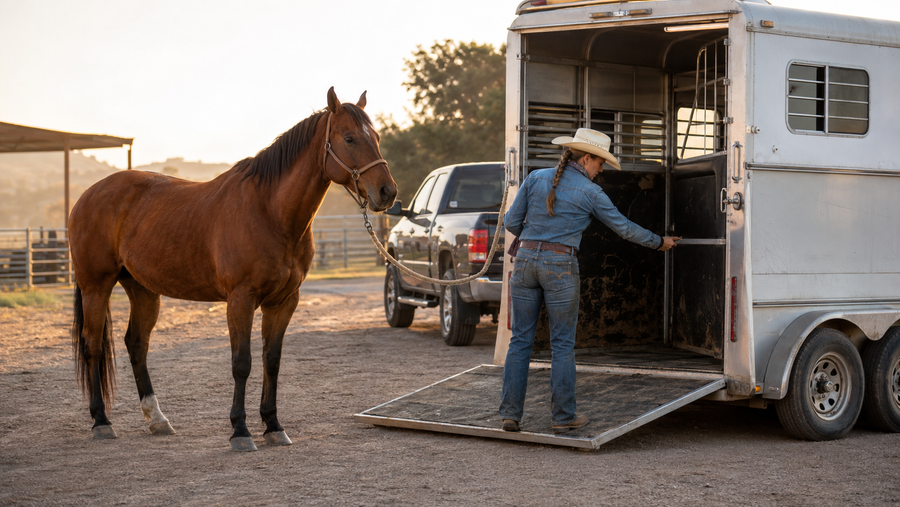
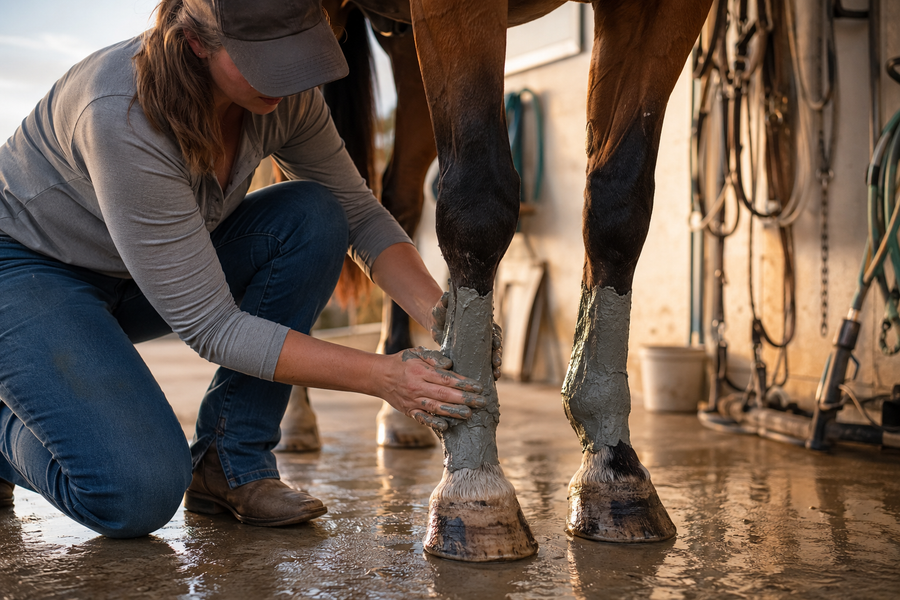
Do not trailer a suspect horse to another barn or event without veterinary direction. Products sold for respiratory comfort, hydration, topical recovery, or cleaning do not diagnose, prevent, or treat EHV.
Everyday biosecurity that is worth the trouble
Good biosecurity is not a panic response. It is a set of boring habits that keeps one horse’s nose, water, secretions, and equipment from becoming everybody’s problem. The USDA recommends isolating new horses and horses returning from events for at least 21 days and monitoring them for signs of disease. Your veterinarian may recommend a different or longer protocol based on local risk, travel, exposure, and the horses on the property.
- Give each horse or group dedicated water and feed containers.
- Do not share tack, bits, lead ropes, towels, grooming tools, or thermometers without cleaning and disinfection.
- Know each horse’s normal temperature before travel season.
- Keep arrival, travel, fever, and exposure records that are easy to retrieve.
- Avoid touching other horses at events, then returning directly to your own horse without cleaning your hands.
- Ask facilities about isolation space before an emergency occurs.
Where vaccination fits—and where it does not
Vaccination planning belongs with the veterinarian who knows the horse’s age, pregnancy status, travel, event exposure, farm population, and prior vaccine history. USDA guidance notes that vaccines are available for respiratory and abortion forms of EHV-1 and EHV-4 and can reduce disease severity and viral shedding. Current vaccines are not considered effective against the neurologic form, EHM.
That does not make vaccination unimportant. It means vaccination and biosecurity have different jobs. Neither replaces temperature monitoring, separation of new or returning horses, clean equipment, rapid veterinary contact, or compliance with official movement restrictions during an incident.
Questions riders ask
Is rhinopneumonitis the same as EHV?
Rhinopneumonitis is a common name used for disease associated with equine herpesvirus, particularly the respiratory and reproductive disease linked with EHV-1 and EHV-4.
Can vaccination prevent neurologic EHM?
No current vaccine is considered effective against neurologic EHM. Vaccines for EHV-1 and EHV-4 can still reduce respiratory-disease severity, viral shedding, and abortion risk, so make a risk-based plan with your veterinarian.
How long should new or returning horses be isolated?
USDA guidance recommends isolating new horses and horses returning from an event for at least 21 days while monitoring for disease. Your veterinarian may adjust the plan for current exposure risk.
Which EHV signs are an emergency?
Call your veterinarian immediately for fever after possible exposure, abortion, difficulty urinating, loss of tail tone, stumbling, weakness, incoordination, a horse that goes down, or a horse that cannot rise.