


Jul 22, 2026
How to Read the Horse Before You Add More Speed
Before adding speed, confirm steering, rate, rhythm, balance, footing, fitness, confidence, soundness, and recovery at the slower version.
Free U.S. shipping at $50+
No code needed.
Shipping details
The better question is not what sounds strongest. The better question is what fits your horse, your workload, and the way you actually care for your horse day after day. This guide focuses on how riders choose a liniment that is practical, repeatable, and easy to live with.
Riders often start by asking what makes one liniment different from another. That is a fair question, but the more useful one is this: what makes a liniment the right fit for your horse and your routine?
Good choices usually come down to repeatability. If a product is messy, inconsistent, harsh, or hard to work into a daily program, it tends to get used less. That matters more than big promises or dramatic sensation.
Start with the main guide to veterinary liniment gel if you want the full definition and overview. This page is narrower. It is about how riders evaluate and choose the right liniment for routine use.
The right liniment depends on how the horse is worked, how often you apply it, and whether the routine needs targeted control or broader flexibility. That is a better starting point than asking which product feels strongest.
In practical terms, most riders do better when they evaluate a liniment through a short list of boring but important qualities.
A horse in regular work usually benefits from something that can be used calmly and consistently. A horse with lighter or less frequent demands may need a different rhythm. The point is not to force one format into every job.
Riders should look at workload, schedule, and sensitivity first. Then pick the format that makes the routine easiest to repeat.
The best liniment is usually the one that supports steady use across weeks and months, not the one that creates the biggest moment on day one.
Liniment gel is often the easiest choice when riders want targeted placement, less mess, and better control on specific areas like legs, joints, shoulders, hips, and back muscles.
That is why many daily routines gravitate toward gel. It stays where applied, is easier to manage in the hand, and reduces friction in the routine.
Riders can save themselves a lot of noise by putting less weight on the wrong signals.
Use a simple filter.
Start with routine fit, workload, skin tolerance, and ease of use. The best choice is usually the product you can use calmly and consistently, not the one that feels most dramatic.
No. Smell is not a reliable sign of quality or usefulness. Focus on predictable use, routine fit, and how the horse responds over time.
Liniment gel gives targeted placement, less runoff, and a cleaner daily routine. That makes it easier to use consistently on specific working areas.
Match the product to the routine goal. Pre ride care is about readiness. Post ride care is about recovery support. The right format is the one that fits the job without adding friction.
Note: This resource is educational and is not a substitute for veterinary advice. When in doubt, consult your veterinarian for horse specific guidance.
Rider awareness is not overthinking. It is noticing the small change before it becomes the big one.
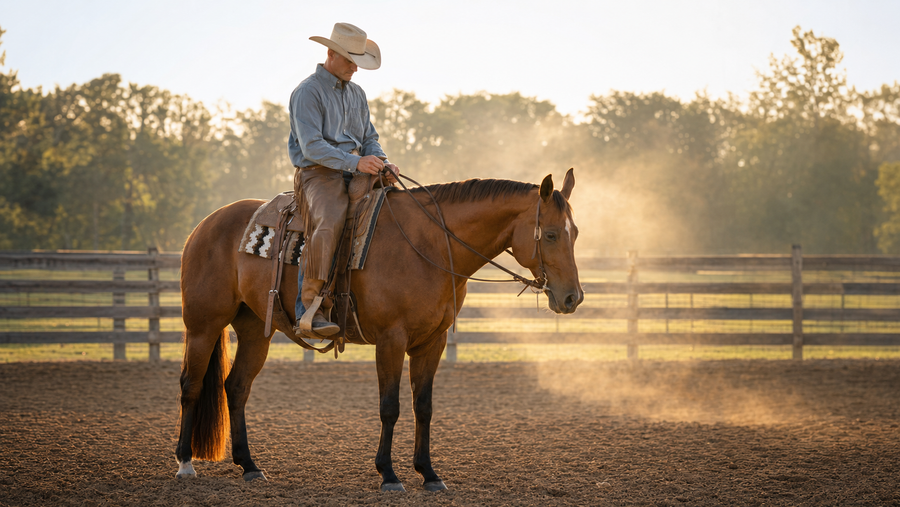
Before adding speed, confirm steering, rate, rhythm, balance, footing, fitness, confidence, soundness, and recovery at the slower version.

United States Real Rider Val Leibel explains why Draw It Out® stays in her competition routine. Her serious-injury account remains attrib...
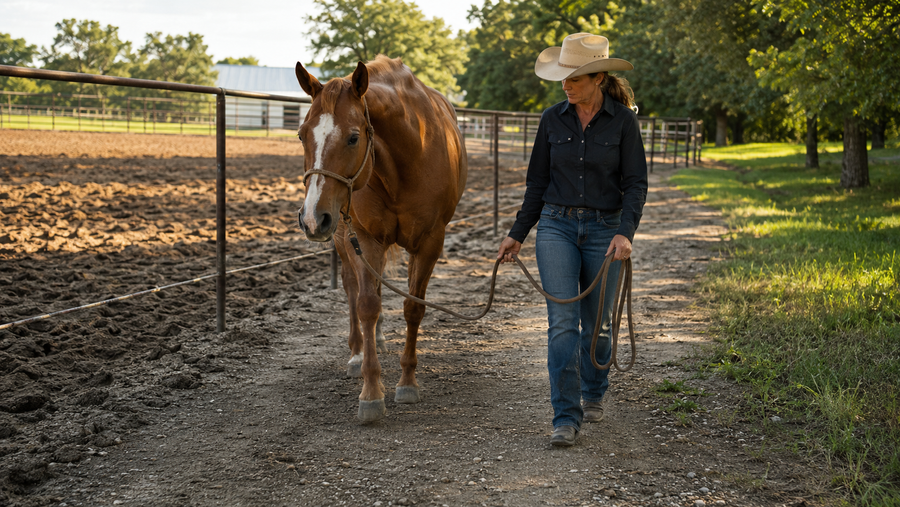
Deep footing changes workload. Check breathing, feet, legs, shoulders, back, hind end, movement after rest, and next-day recovery.
Want a smarter way to handle soreness, heat, swelling, and post-ride leg care? Visit our Performance Recovery Hub for clear routines and product guidance.
Visit the Recovery Hub!