


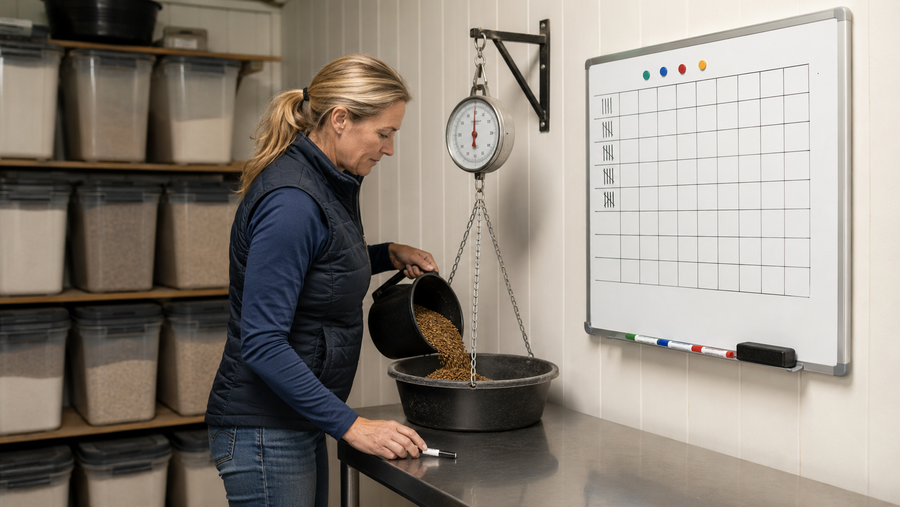
Jul 09, 2026
The Feed Room Board: Track Before Supplementing
A product-neutral feed-room tracking system for water, manure, appetite, workload, hauling, changes, response windows, and professional r...
Free U.S. shipping at $50+
No code needed.
Shipping details
Spring trail rides feel like freedom. But uneven ground, hills, and longer miles ask far more from your horse than arena work ever will.
The snow melts. The footing dries out. You swing a leg over again.
Everything feels fresh.
But under that excitement, your horse is stepping into a completely different workload than what winter required.
The trail doesn’t forgive gaps in conditioning. It exposes them.
Arena footing is consistent. Trails constantly shift underfoot.
That means every step requires:
These are the small systems that don’t get taxed the same way indoors. And they’re exactly what prevent missteps, fatigue, and strain.
Hills aren’t just harder. They are different.
If those systems aren’t ready, the horse compensates. And compensation is where problems begin.
Early rides should not be long rides.
They should be controlled exposure:
This gives tissues time to adapt instead of react.
Conditioning isn’t about pushing. It’s about layering.
The real test of readiness isn’t during the ride. It’s the morning after.
Look for:
If something feels tight, it’s information. Not failure.
Trail riding loads the body in ways arena work doesn’t.
Smart riders don’t wait for signs of strain. They support recovery as workload increases.
Not sure what your horse needs right now?
Use the Solution Finder to match care to workload and movement demands.
Start HereThis is the idea behind prehabilitation: preparing the system before stress compounds.
You can learn more about that approach here:
And as trail miles build, many riders rotate recovery routines through the broader collection here:
A prepared horse moves differently on the trail.
More confident. More balanced. More willing.
And that changes the ride.
Because the best trail rides don’t come from pushing harder.
They come from building right.
Start shorter than you think. Gradually increase duration over several rides to allow adaptation.
Yes. Hills strengthen hindquarters and improve balance, but they should be introduced gradually.
New terrain, uneven footing, and elevation changes activate muscles that may not have been used over winter.
If recovery is smooth the next day with minimal stiffness and normal movement, workload can be increased slowly.
Most soundness issues do not come from one bad ride. They come from small things ignored over time.
A product-neutral feed-room tracking system for water, manure, appetite, workload, hauling, changes, response windows, and professional r...
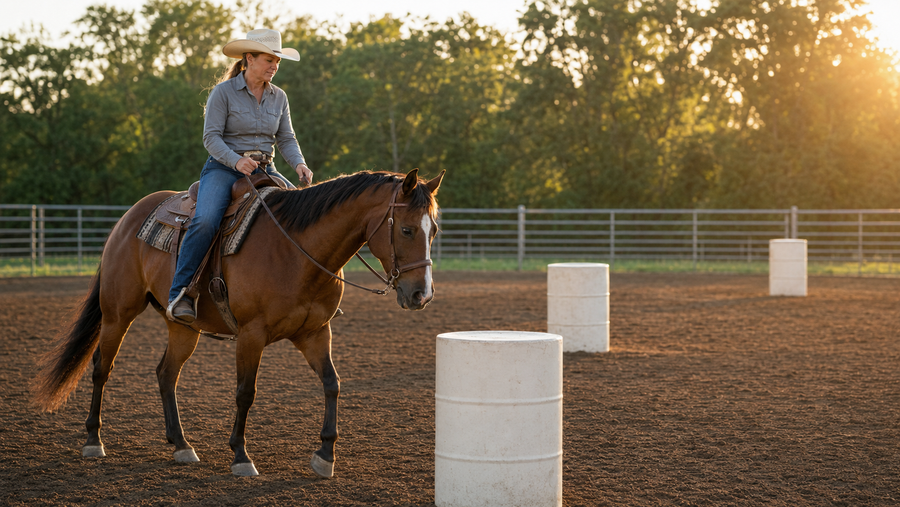
When a horse anticipates a pattern, separate learning, rider cues, anxiety, fatigue, footing, tack, and pain before adding pressure or re...
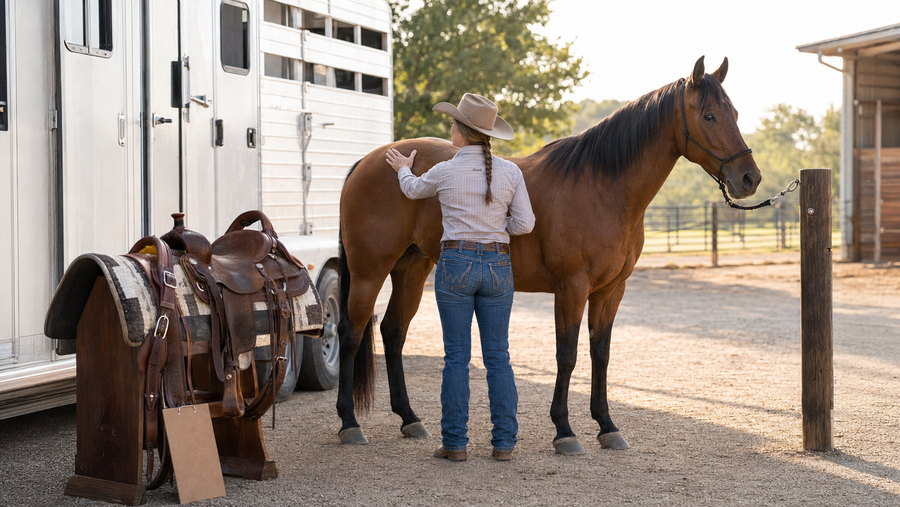
Use this pre-jackpot checklist for feet, legs, hauling, water, tack, footing, warm-up, cooling, recovery, and signs that should stop the ...
Want a smarter way to handle soreness, heat, swelling, and post-ride leg care? Visit our Performance Recovery Hub for clear routines and product guidance.
Visit the Recovery Hub!