


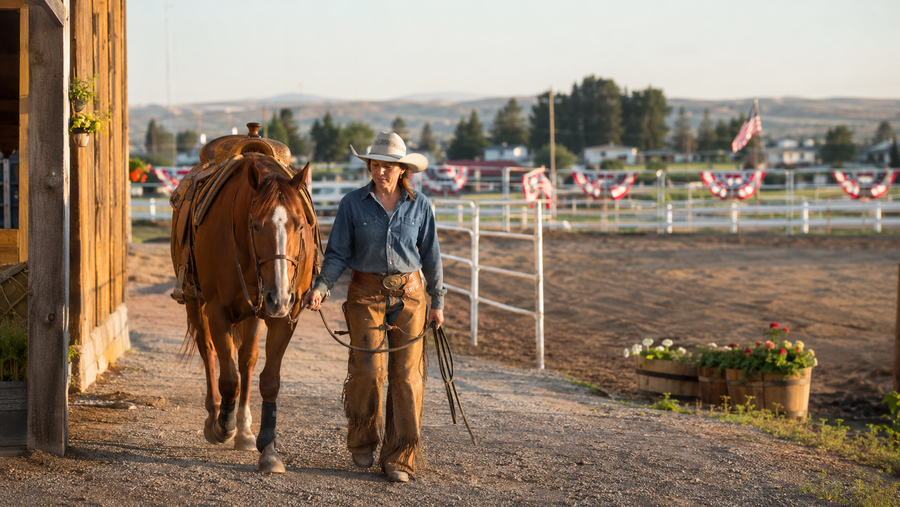
Jul 04, 2026
Ride Quiet on the Fourth: What Real Riders Remember Before the Noise
A Real Rider Resource guide for Fourth of July barn routines, quieter rides, firework disruption, and checking the horse before the day g...
Free U.S. shipping at $50+
No code needed.
Shipping details
Windy spring days can turn even steady horses into fireworks. The goal is not to dull the spark. The goal is to direct it so joints, soft tissue, and confidence stay intact.
Speakable summary
Spring wind can trigger explosive movement that loads joints and soft tissue without warning. Use a structured warm up, delay tight turns early, and judge the ride by next day feedback to reduce preventable strain.
You feel it before you swing a leg over. Panels rattle. Flags snap. The arena sounds different. Horses notice all of it.
Spring stacks inputs: longer daylight, shifting pressure, changing turnout, and grass coming back. Even horses with good minds can get sharp for a few minutes. Physically, those minutes matter.
Fresh energy is not just behavior. It changes mechanics.
Most spring setbacks are not dramatic. They show up as small changes that riders talk themselves out of.
Two to five minutes of controlled movement can tell you if the horse is even on both sides. You are looking for symmetry, not sweat.
On windy spring days, plan a longer walk phase and a slower ramp. Large figures, soft transitions, forward stretching. Earn the right to ask for more.
Do not start the session with small circles, rollback patterns, or quick lateral drills. Let joints and soft tissue load progressively first.
The real answer is in the 24 hour feedback. If the next morning looks tighter, puffy, or uneven, adjust workload before that whisper becomes a setback.
If your horse gets fresh in the spring, decision fatigue is the enemy. Build a calm default routine you can repeat when the weather is loud.
Start with the guided tool that routes you fast: Solution Finder. Then build durability with Prehabilitation. For a simple recovery lane that fits real barn life, browse the liniment gel collection.
Many riders keep a sensation free liniment gel routine consistent during spring transitions so tissues stay comfortable when intensity spikes. The goal is not to chase problems. The goal is to stay ahead of them.
Spring energy is a gift when you shape it. Let them move, let them feel good, and put guardrails around the power. The win is not surviving March. The win is arriving in the next month sound, confident, and on schedule.
Wind adds noise, motion, and pressure shifts. In spring, that stacks with longer daylight, turnout changes, and rising workload. The result is often a short window of higher reactivity and faster movement than normal.
Unplanned loading. Sudden launches, spins, and quick stops increase joint compression and soft tissue stress, especially if conditioning is still catching up from winter.
Better to assess than exhaust. A short, controlled check on the ground helps you see symmetry and settle the brain without overloading tissue before the ride begins.
Longer than you think. Walk until the horse is mentally quieter and physically looser, then add gradual transitions and large figures before asking for tighter work.
Check the next morning. Mild swelling, short stride, new resistance to bending, or sensitivity in the limbs is your cue to adjust workload and support recovery.
The best routines are quiet. They do not draw attention, but they prevent problems before they show up.
A Real Rider Resource guide for Fourth of July barn routines, quieter rides, firework disruption, and checking the horse before the day g...
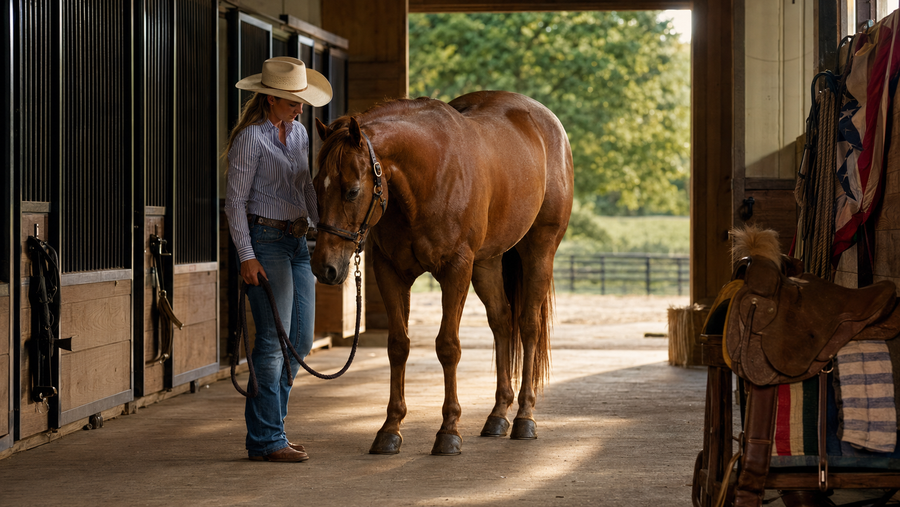
Fourth of July Real Rider Resource special edition: ride quiet, check the horse earlier, plan around heat and fireworks, and end fair.
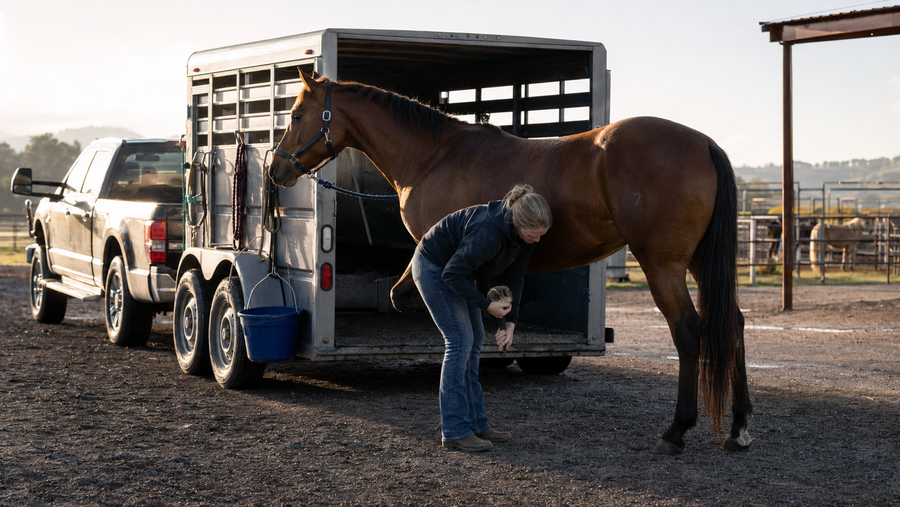
A practical Real Rider Resource guide for holiday weekend haul: what to check, what to track, when to change the plan, and when to ask fo...
Want a smarter way to handle soreness, heat, swelling, and post-ride leg care? Visit our Performance Recovery Hub for clear routines and product guidance.
Visit the Recovery Hub!