Primary keyword: horse bee sting what to do

Quick answer: what should you do if your horse gets stung?

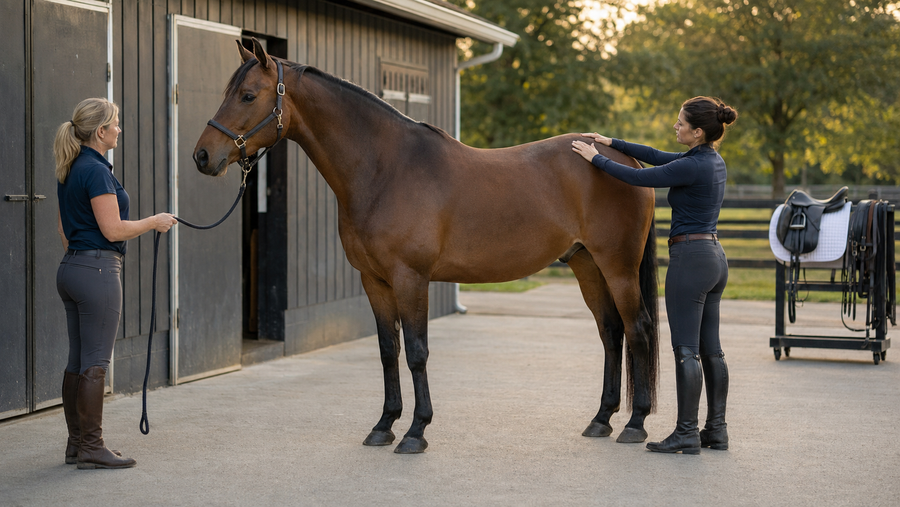
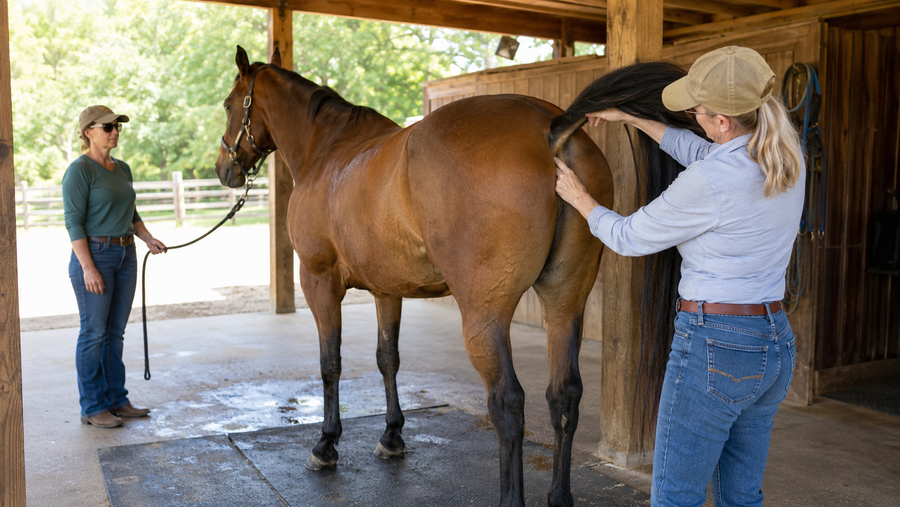
If your horse is stung by a bee, wasp, hornet, or other insect, stop what you are doing, move the horse away from the insect area, remove tack if it is safe, and check the sting location, swelling, breathing, hives, attitude, movement, and whether the spot sits under saddle, girth, bridle, boots, or wraps.

Do not ride if swelling is near the face, throat, muzzle, eyelid, or airway; if hives are spreading; if breathing changes; if the horse is dull, shaky, frantic, or unstable; if there are multiple stings; if the skin is raw or open; or if the sting site is under tack. Call your veterinarian for allergic reaction signs, severe swelling, rapid worsening, or anything that does not feel normal.

A bee sting on a horse can look like nothing at first. A little bump. A twitch. A sudden stomp. A head toss you want to blame on attitude. Then ten minutes later the spot is bigger, hotter, tighter, or sitting right where a saddle pad, girth, breast collar, fly sheet, boot, or halter is about to rub.

That is why this is not a “throw some product on it and go ride” situation. It is a check-first situation. Real horse care is not panic. It is not pretending nothing happened either. It is taking three minutes to look at the horse in front of you and deciding whether today is still a riding day or whether the smart move is to stand down.

This guide is for horse owners who just saw a sting, found a mystery swelling, or brought a horse in from turnout with a new lump and are trying to make the right call before riding.

The first move: get your horse out of the insect zone

Before you inspect anything, get away from the source if you can do it safely. Bees and wasps do not always sting once and leave. They may be around a gate latch, water trough, hay feeder, fence post, barn door track, trailer gap, manure pile, brush line, or an old corner of the arena nobody pays attention to until a horse steps into it.

Lead the horse to a quieter place. Keep your own hands and face clear. Watch for more insects on the horse, in the mane, under the belly, around the tailhead, or inside blankets and sheets. If the horse is tied, tied hard, or trapped in a narrow space, get them safely repositioned before the situation gets bigger.

Do this before you decide anything else

  • Move away from the hive, nest, feeder, trailer, or fence line where the sting happened.
  • Remove tack, boots, wraps, fly sheets, or blankets if they are touching the area.
  • Check the horse’s breathing and attitude before focusing only on the bump.
  • Take a photo of the swelling so you can compare it later.
  • Call your veterinarian if swelling is near the face, throat, muzzle, eye, airway, or if the horse seems systemically affected.

The 7-point sting check before you ride

A sting is not just a skin issue. Where it is, how fast it changes, and how the horse behaves matter more than the size of the first bump. Use this checklist before you saddle, turn out, haul, or put the horse back to work.

1. Where is the sting?

Location drives the decision. A small swelling on the shoulder may be a very different situation than swelling near the muzzle, throatlatch, eyelid, nostril, lips, chest, girth area, or under a saddle pad. Face and airway-adjacent swelling deserve more caution because breathing and drainage can become part of the problem. A sting under tack deserves caution because pressure and friction can turn a small irritation into a bigger sore.

Check the nose, lips, eyelids, throat, jaw, chest, belly, elbows, girth groove, flank, udder or sheath area, legs, and tailhead. Horses get stung in odd places because they graze, sniff, roll, lean, and push their noses into everything.

2. Is the swelling staying local or spreading?

A small, local bump that stays the same is one thing. Swelling that grows quickly, spreads in sheets, creates hives, or changes the horse’s whole expression is another. Mark the edge of the swelling with your eye, a photo, or a light reference point. Recheck it in 10 to 15 minutes. If it is moving fast, do not talk yourself into riding.

3. Is breathing completely normal?

Breathing comes before everything else. Watch the nostrils, flank, throat, and overall posture. A horse that is breathing harder than normal, stretching the neck, flaring nostrils, coughing, wheezing, acting panicked, or looking dull needs veterinary guidance, not a ride.

Vet red flags after a bee or wasp sting

  • Swelling around the muzzle, throat, eyelids, lips, or airway
  • Labored breathing, coughing, wheezing, weakness, collapse, or severe distress
  • Spreading hives or swelling across the body
  • Multiple stings or suspected hive disturbance
  • Rapidly worsening swelling, heat, pain, or behavior change
  • Any sting that affects eating, drinking, blinking, moving, or standing normally

4. Are hives showing up anywhere else?

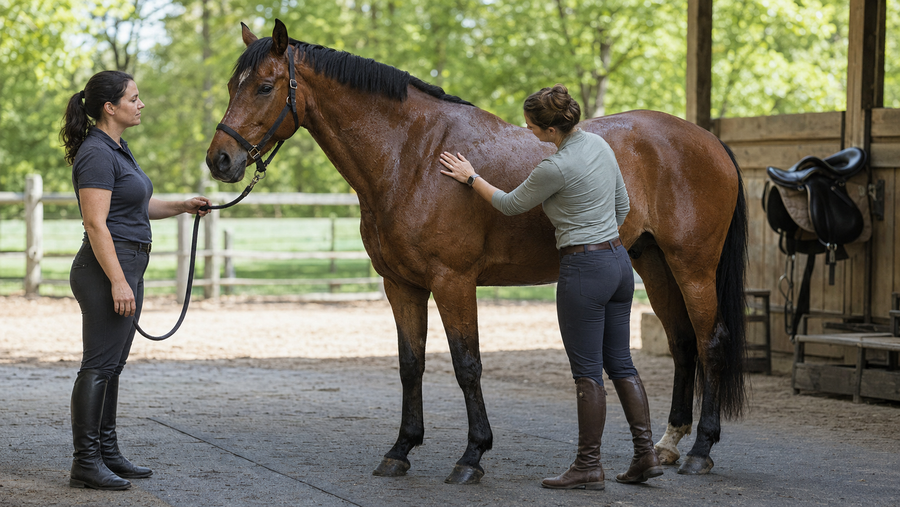
Do not only look at the sting site. Run your eyes and hands over the neck, chest, barrel, flank, hip, and under the mane. Hives can show up away from the original sting. If the skin starts lifting in multiple places, the horse is having a larger reaction than one local bump.

5. Is the skin intact?

Look for a puncture, rubbed spot, broken skin, drainage, scabbing, or a place the horse has already chewed, scratched, or rubbed. If the skin is open, keep it clean and avoid creating more friction. Products used around irritated skin should be used only as directed and only where appropriate. A sting with open skin, heavy swelling, or active reaction is not the time to experiment.

6. Is movement normal?

If the sting is on a leg, chest, elbow, belly, sheath, udder, or between the hind legs, watch the horse move before you assume they are fine. Stings can make a horse shorten stride, guard a shoulder, resist bending, clamp the tail, kick at the belly, or act girthy. Walk on safe footing and watch both directions. If the horse is uneven, sore, distracted, or defensive, skip the ride.

7. Will tack touch it?

This is where a lot of good intentions go wrong. A small swelling under a saddle pad, girth, breast collar, crupper, bridle, noseband, boot, or wrap can become a rubbed raw mess when you add sweat, heat, motion, and pressure. If the sting site sits under tack, do not ride over it just because the horse is not lame.

Can you ride a horse after a bee sting?

Sometimes, yes. Many stings are minor and local. But the horse has to earn that answer by checking clean.

A ride may be reasonable only when the horse is breathing normally, acting normally, moving normally, has no spreading hives, has a small localized swelling away from the face and airway, and the sting site will not be rubbed by tack or equipment. Even then, keep the ride light, watch closely, and recheck afterward.

Do not ride if the horse is distracted by the sting, defensive about being touched, changing stride, swelling quickly, showing hives, breathing differently, or carrying the sting under tack. The ride you skip today is cheaper than the bigger problem you create by forcing the issue.

What to do in the first 30 minutes

The first half hour is about observation, cooling, and not making things worse.

  1. Move away from insects. Do not inspect the horse while standing beside the nest or swarm source.
  2. Remove pressure. Take off tack, boots, wraps, sheets, or anything touching the swelling.
  3. Check breathing and attitude. Normal breathing and normal behavior matter more than the bump.
  4. Cool the area if appropriate. Cold hosing or a cold pack wrapped in a towel can help calm local heat and swelling. Do not freeze the skin.
  5. Take photos. A picture helps you see whether the swelling is changing.
  6. Call the vet when red flags appear. Do not wait on airway, face, hives, weakness, multiple stings, or rapid worsening.
  7. Do not give medications unless your vet directs it. The right medication, dose, and timing are veterinary decisions.

Where Draw It Out® fits

A bee or wasp sting is first a horse health decision, not a product moment. If the horse is having an allergic reaction, severe swelling, breathing change, facial swelling, multiple stings, or anything system-wide, your veterinarian is the first call.

Once the horse is stable, breathing normally, the skin is intact, and you are dealing with ordinary barn-level skin management rather than an emergency reaction, your routine can matter. Keep the area clean. Reduce unnecessary rubbing. Avoid heavy pressure over the spot. Watch how it changes through the day.

Product tie-in without the nonsense

  • Citraquin® belongs in the prevention conversation for turnout, trail days, and summer barn chores. It is not a treatment for an allergic reaction.
  • Draw It Out® Rapid Relief Cream can be part of a clean skin-support routine when skin is intact and the situation is no longer an emergency.
  • Silver Hoof EQ Therapy® is a barn-shelf favorite for hoof and skin management when the issue fits the product and directions.
  • Hoof & Skin Barn Kit is the simple grab-and-go option for riders who want the core skin and hoof tools on hand before summer problems pile up.

That is the Draw It Out® way: check the horse first, make the safe call, then use the right product for the right job. We are not here to turn every bump into drama. We are here to help riders avoid turning a small problem into a bigger one.

Summer prevention: where stings usually come from

Most sting problems are not random. They come from places horses visit every day. Before summer barn chores become a rodeo, walk the property with sting risk in mind.

  • Water troughs and automatic waterers: insects love damp edges and hidden corners.
  • Hay feeders and grain areas: sweet feed, damp hay, and leftover mash draw attention.
  • Gate latches and fence posts: wasps use quiet protected spaces.
  • Trailers: check door tracks, mats, saddle racks, hay bags, and wall gaps before loading.
  • Blankets, fly sheets, and saddle pads: shake them out before use.
  • Brush piles, manure corners, and old equipment: those are classic places for nests to build unnoticed.

Good horse care is usually boring before it is heroic. Check the barn. Check the tack. Check the horse. Then ride.

How this differs from fly irritation

Fly irritation usually builds as stomping, tail swishing, head tossing, belly kicking, or general annoyance. A sting is usually more sudden and more localized at first: a sharp reaction, a bump, swelling, heat, or a sore spot. Both can happen on the same summer day, which is why the check matters.

If the horse is stomping because flies are chewing at the legs, that is a management problem. If the horse suddenly jumps, strikes, kicks at the belly, or develops a fast swelling, think sting and inspect closely. Different problem. Different decision.

When the smart answer is no ride

Riders are tough. Horses are tougher. That does not mean every day needs to be pushed through. Skip the ride when the sting sits under tack, when swelling is growing, when the horse is guarding the area, when the skin is compromised, when hives appear, when breathing changes, or when you simply cannot tell what is happening yet.

There is no shame in putting the saddle back on the rack. There is plenty of shame in ignoring the horse because the schedule said you were supposed to ride.

Build the barn shelf before the problem shows up

Summer horse care is easier when the basics are already in the barn. Start with the Hoof & Skin Barn Kit, keep Citraquin® ready for turnout and trail days, and use the What Does My Horse Need? guide when you are not sure which direction to go.

Internal links for next steps

FAQ: horse bee and wasp stings

What should I do first if my horse is stung by a bee or wasp?

Move your horse away from the insect area, remove tack or equipment touching the sting, check breathing and attitude, inspect the swelling, and monitor for hives or rapid changes. Call your veterinarian if the sting is near the face, throat, airway, eye, or if the horse acts abnormal.

Can I ride my horse after a bee sting?

Only if the horse is breathing normally, acting normally, moving normally, has no spreading hives, has only a small localized swelling, and the sting site is not under tack. If there is any doubt, skip the ride and monitor.

When is a horse bee sting an emergency?

It can be an emergency when swelling affects the muzzle, throat, lips, eyelids, or airway; when breathing changes; when hives spread; when the horse is weak, dull, frantic, or unstable; or when there are multiple stings. Those signs deserve immediate veterinary guidance.

What does a bee sting look like on a horse?

It may look like a small raised bump, warm swelling, tender spot, sudden skin reaction, or a larger welt. Some horses show very little at first, while others develop hives or more significant swelling. The change over time matters.

Should I put anything on a horse bee sting?

First decide whether the horse needs veterinary care. For a simple local reaction with intact skin and normal behavior, cooling the area and monitoring may be appropriate. Use topical products only as directed and do not use them as a substitute for veterinary care when allergic reaction signs are present.

How can I reduce sting risk around the barn?

Check water troughs, feeders, gate latches, trailer gaps, fence posts, hay areas, brush piles, blankets, sheets, and saddle pads. Keep feed areas cleaner, shake out gear, and pay attention to places horses put their noses and legs every day.

Hinterlasse einen Kommentar

Bitte beachte, dass Kommentare vor der Veröffentlichung genehmigt werden müssen.

Start here

Reading first? Here is the clean path.

This article gives you the background. If you are ready to put the idea into a real horse care routine, these are the next places most riders should go.

Daily recovery

Liniment Gels

Explore the Draw It Out® liniment gel lineup for everyday use, post-work routines, and targeted recovery support.

Shop liniment gels
Find the fit

Solution Finder

Match your horse’s workload, age, routine, and care goals to the Draw It Out® products that make the most sense.

Use the finder
Routine first

Prehabilitation

Learn how riders support soundness, comfort, and consistency before little issues become bigger problems.

Read the guide
Simple rule: read the article for context, use the Solution Finder for direction, then build the routine around the product format your horse will actually use consistently.

Real Barn Proof

What this looks like in real barns.

Real riders. Real horses. Real routines. These clips rotate automatically so the proof stays fresh without weighing the page down with a long feed.

Random rider clips

Why this matters: good horse care should make sense outside the ad. These clips show the kind of everyday use that builds trust one barn at a time.

Further Reading

Keep building the routine.

Horse care works better when the next step is clear. These related reads help connect today’s topic to better daily decisions in the barn.
Horse health news

Start with the principle, then build the habit. The right article should make the next barn decision easier, not more complicated.

Next Step

Keep your barn dialed in.

Simple care guides, practical product paths, and rider-trusted tools built for real horses and real routines.

Good care gets easier when the next step is obvious. Read the guide, match the routine, then choose the format that fits how your barn actually works.

Recovery Routine

Build a complete recovery routine.

Want a smarter way to think through post-ride care, heat, swelling, leg support, and daily recovery decisions? Start with the Performance Recovery Hub.

Better recovery starts with a repeatable routine. The hub gives riders a clearer path from workload to product format to aftercare timing.

Rider Favorites

Always in the kit.

Four core Draw It Out® staples riders keep close for daily recovery routines, wash rack use, targeted support, and quick barn-side care.
Core barn staples
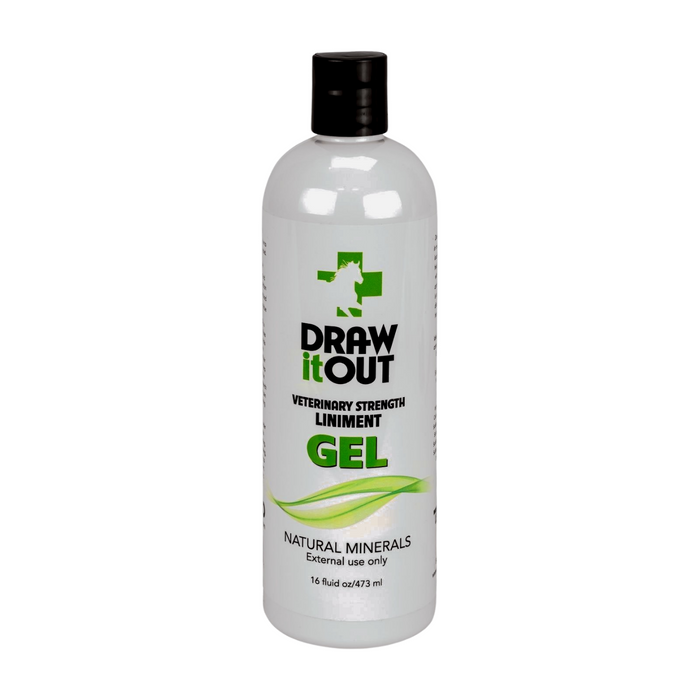
Draw It Out® 16oz Liniment Gel | Daily Horse Care

Stay-Put Gel

16oz Liniment Gel

The everyday liniment gel format riders reach for when they want targeted, no-mess application.

View product
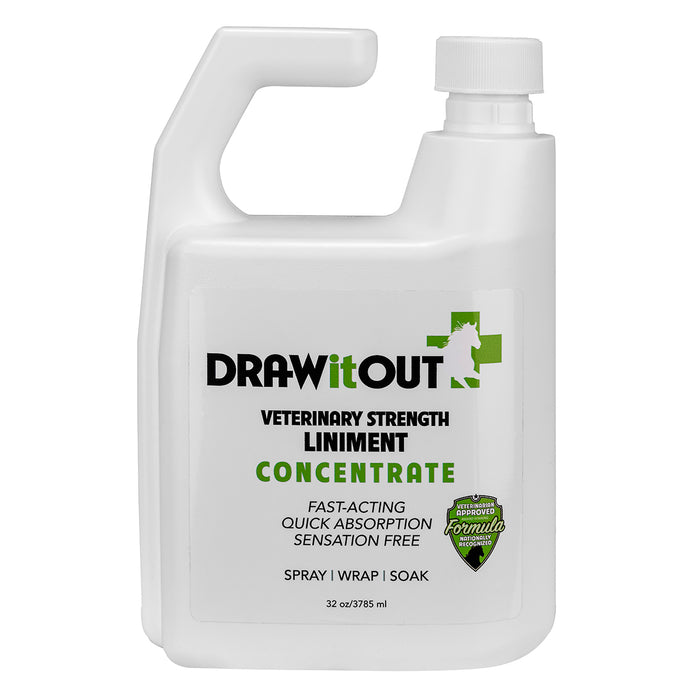
Draw It Out® 32oz Liniment Concentrate | Mix-to-Use Formula

Mix Your Way

32oz Concentrate

A flexible concentrate for riders who want to mix their own routine around workload and barn needs.

View product
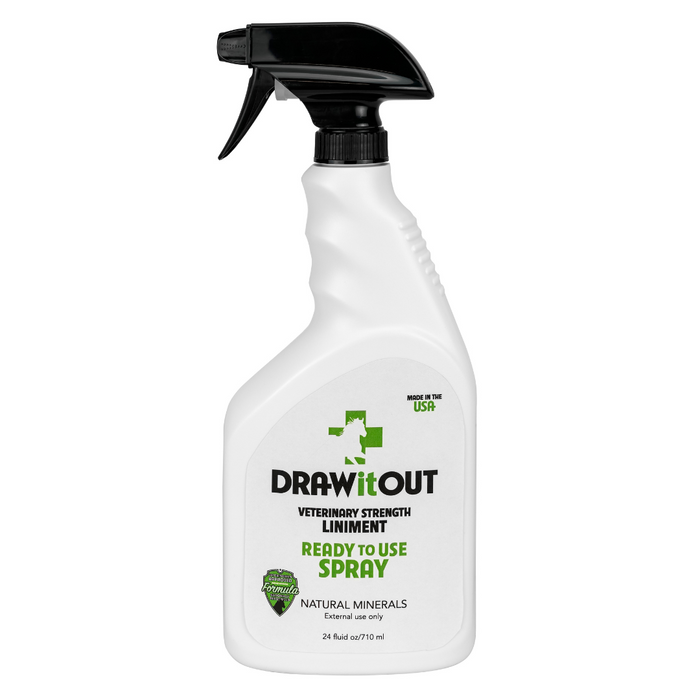
Draw It Out® RTU Spray 24oz | Ready-to-Use Liniment Spray

Ready To Use

24oz RTU Spray

A ready-to-use spray format for quick application after work, travel, turnout, or daily care.

View product
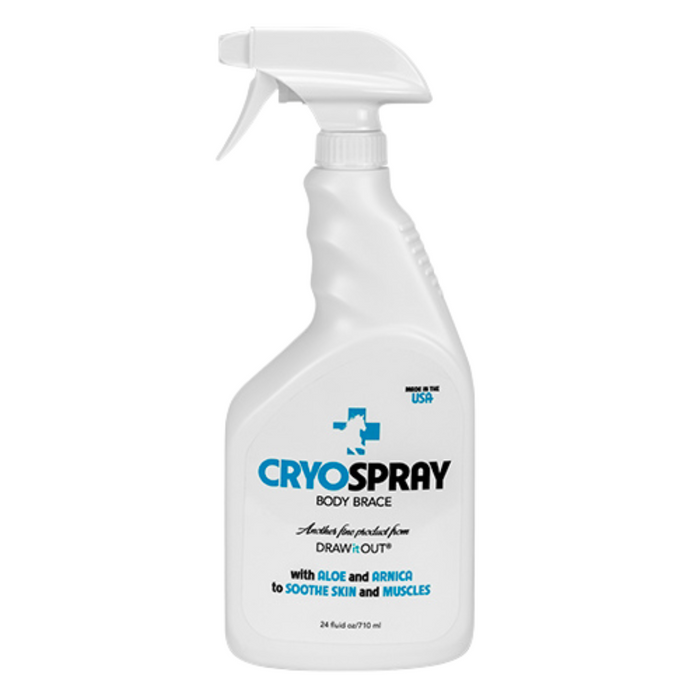
CryoSpray® by Draw It Out® 24oz | Cooling Body Brace for Horses

Cooling Brace

CryoSpray

A cooling body brace spray for riders who want a fast, practical option after hard work or hot days.

View product

Format matters. Gel, concentrate, ready-to-use spray, and cooling spray each solve a different barn problem. Pick the one your routine will actually use.

Where To Go Next

Turn the idea into a routine.

If this topic connects to what you are seeing in your horse, these are the three cleanest next steps. Start with direction, then choose the product format that fits the way your barn actually works.

Next steps

Best next move: use the Solution Finder first when the issue is unclear. Go straight to the liniment gel collection when you already know the format you want.