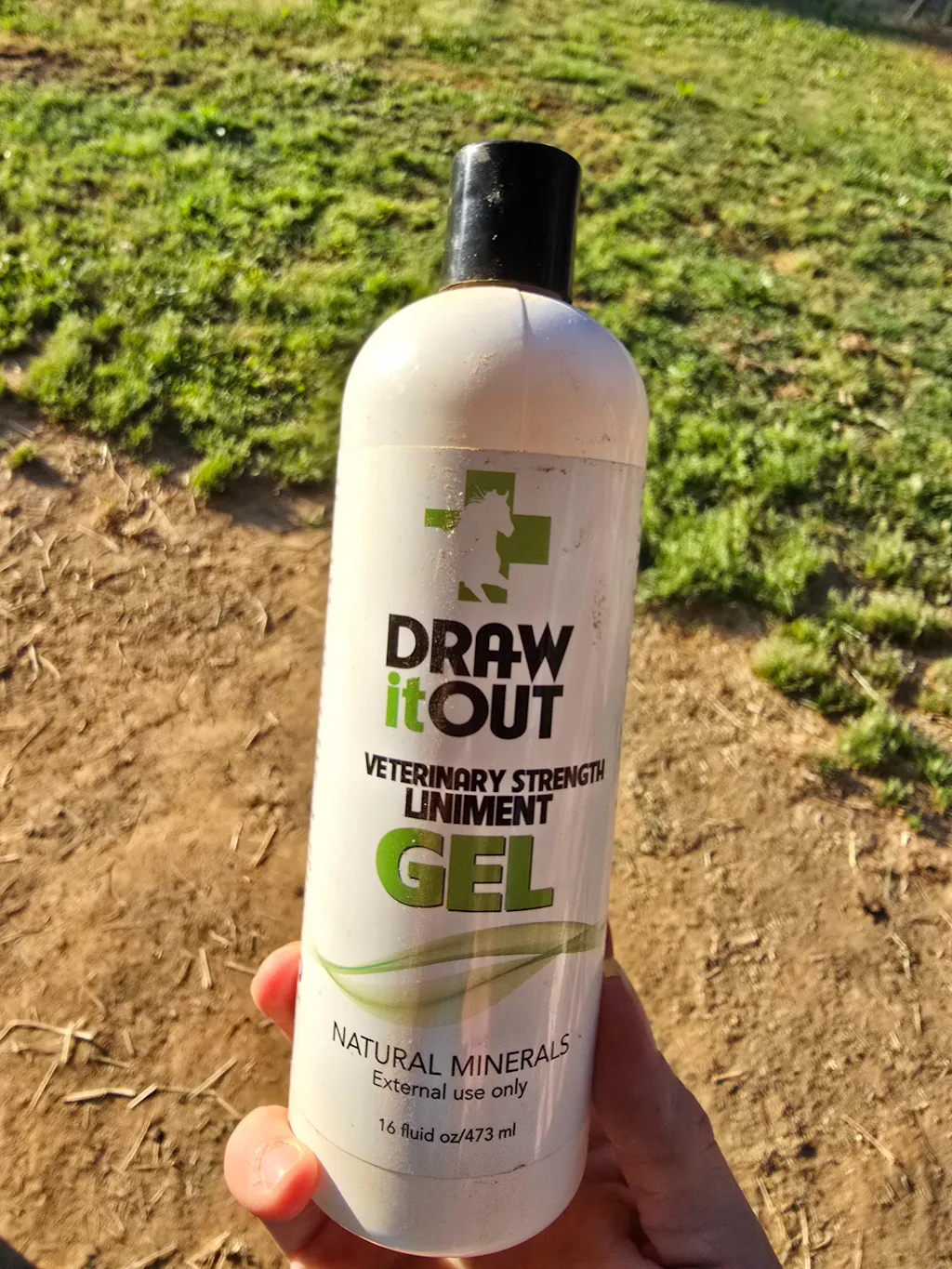
Daily recovery
Liniment Gels
Explore the Draw It Out® liniment gel lineup for everyday use, post-work routines, and targeted recovery support.
Shop liniment gels
When hydration slips, muscle tightness is often the first thing riders feel. Warm-ups take longer. Horses feel resistant. Recovery stretches into the next day.
These signs are frequently blamed on conditioning or workload when hydration is the real driver. If you want to improve equine hydration, stiffness is a valuable early signal.
Hydration supports circulation, nutrient delivery, and waste removal in muscle tissue. When fluid balance drops, muscles recover more slowly.
These effects compound with repeated work.
Hydration-related stiffness often improves once movement increases.
Stiffness is information, not just inconvenience.
If muscle comfort is inconsistent, hydration should be evaluated early.
Consistent hydration improves recovery, comfort, and willingness over time.
To personalize your approach, start with the Solution Finder.
For ongoing support, build hydration into your Prehabilitation strategy and reinforce it with tools from the Prehabilitation collection.
Listen to stiffness. It speaks early.
This article gives you the background. If you are ready to put the idea into a real horse care routine, these are the next places most riders should go.
Explore the Draw It Out® liniment gel lineup for everyday use, post-work routines, and targeted recovery support.
Shop liniment gelsMatch your horse’s workload, age, routine, and care goals to the Draw It Out® products that make the most sense.
Use the finderLearn how riders support soundness, comfort, and consistency before little issues become bigger problems.
Read the guideReal Barn Proof
Real riders. Real horses. Real routines. These clips rotate automatically so the proof stays fresh without weighing the page down with a long feed.
Why this matters: good horse care should make sense outside the ad. These clips show the kind of everyday use that builds trust one barn at a time.
Further Reading
Horse care works better when the next step is clear. These related reads help connect today’s topic to better daily decisions in the barn.
Jun 04, 2026
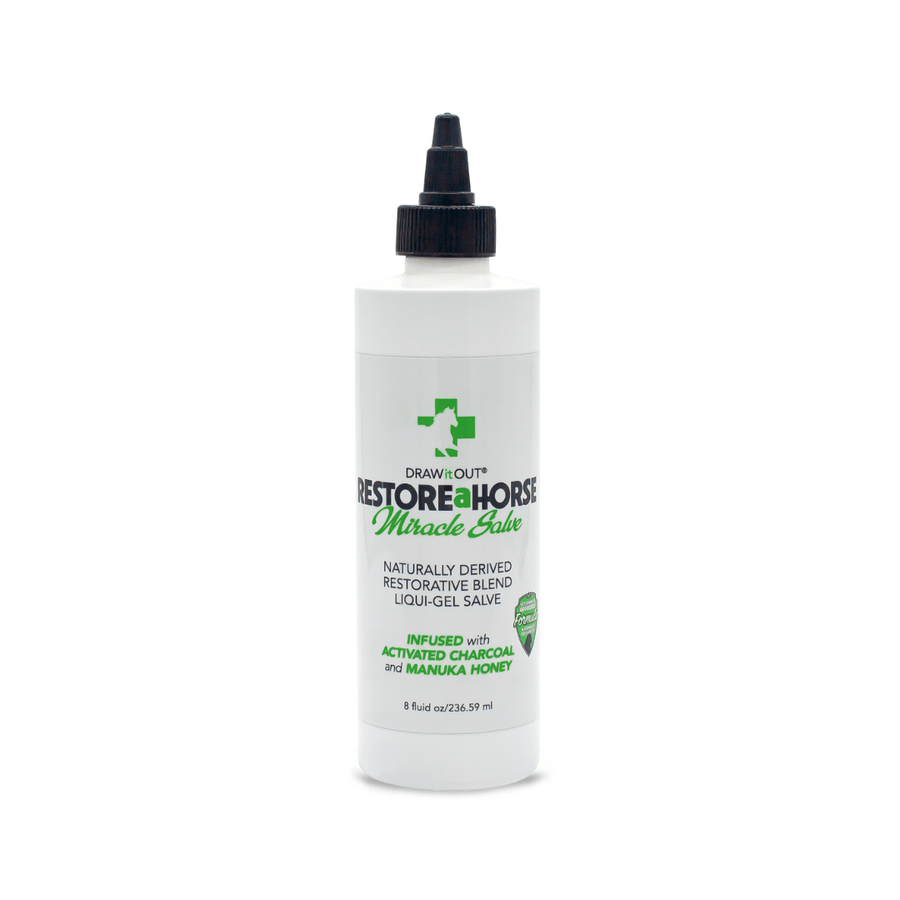
A practical guide to why a stay-put horse skin salve belongs in every trailer kit for minor rubs, scrapes, and routine external skin care away...
Read article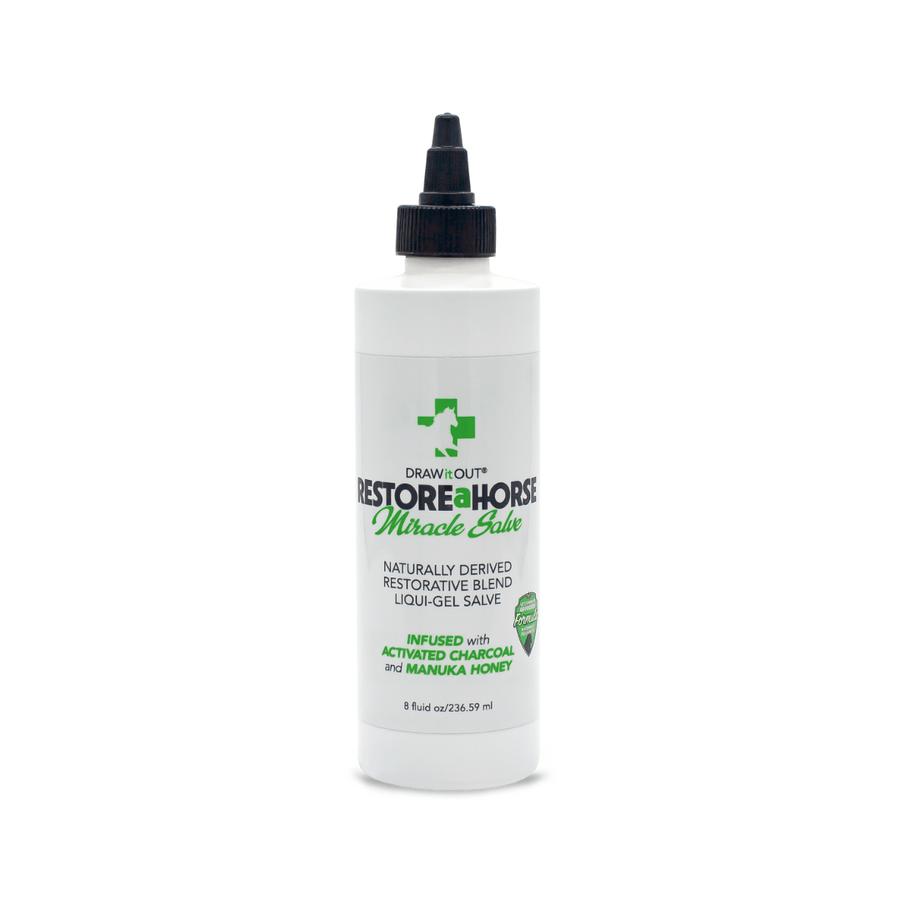
Jun 04, 2026
A practical look at horse scratches-prone skin care, why topical texture matters, and when a stay-put salve may fit the routine.
Read article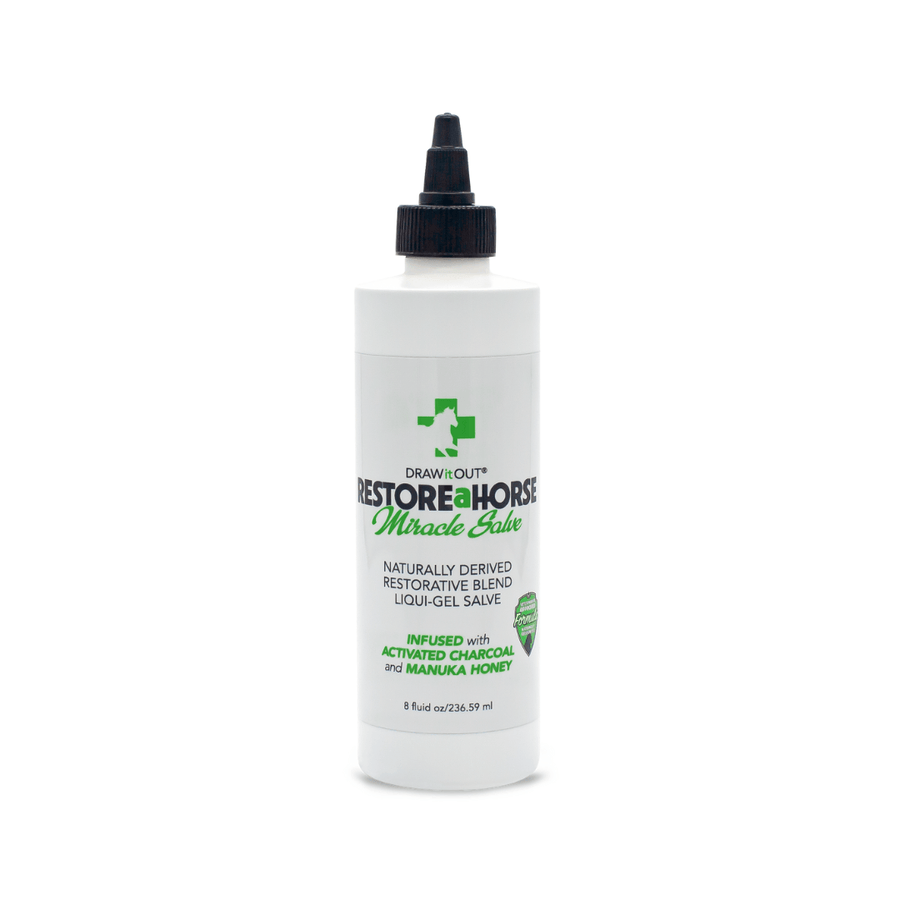
Jun 04, 2026
A calm, practical barn guide for minor horse scrapes, including when a stay-put horse skin salve makes sense and when to call the vet.
Read articleStart with the principle, then build the habit. The right article should make the next barn decision easier, not more complicated.
Next Step
Simple care guides, practical product paths, and rider-trusted tools built for real horses and real routines.
Good care gets easier when the next step is obvious. Read the guide, match the routine, then choose the format that fits how your barn actually works.
Recovery Routine
Want a smarter way to think through post-ride care, heat, swelling, leg support, and daily recovery decisions? Start with the Performance Recovery Hub.
Better recovery starts with a repeatable routine. The hub gives riders a clearer path from workload to product format to aftercare timing.
Rider Favorites
Four core Draw It Out® staples riders keep close for daily recovery routines, wash rack use, targeted support, and quick barn-side care.
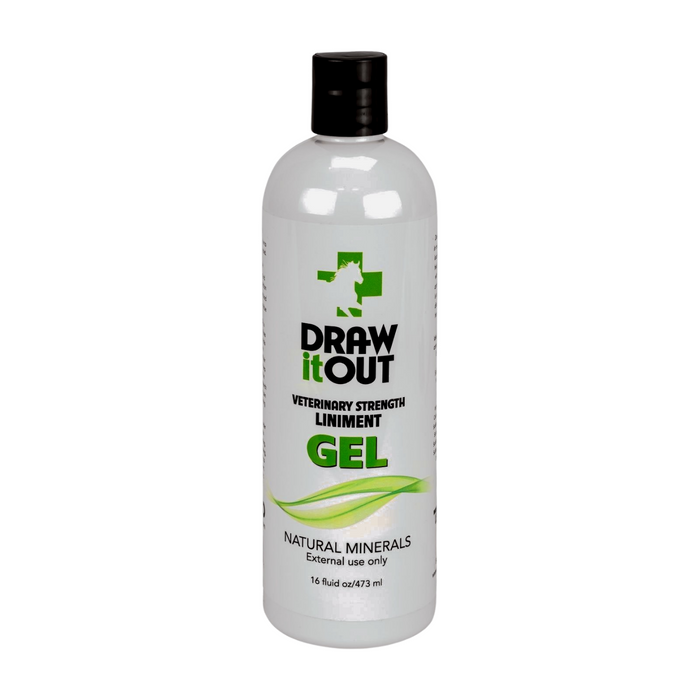
Stay-Put Gel
The everyday liniment gel format riders reach for when they want targeted, no-mess application.
View product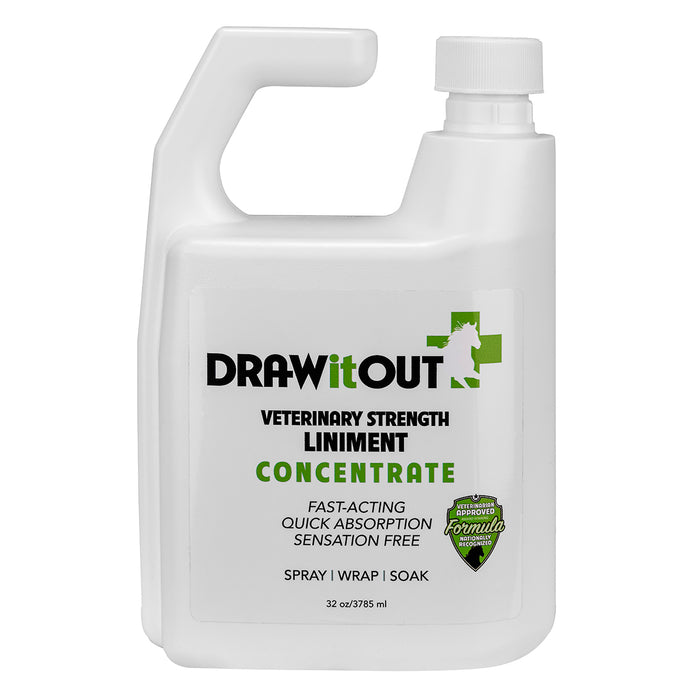
Mix Your Way
A flexible concentrate for riders who want to mix their own routine around workload and barn needs.
View product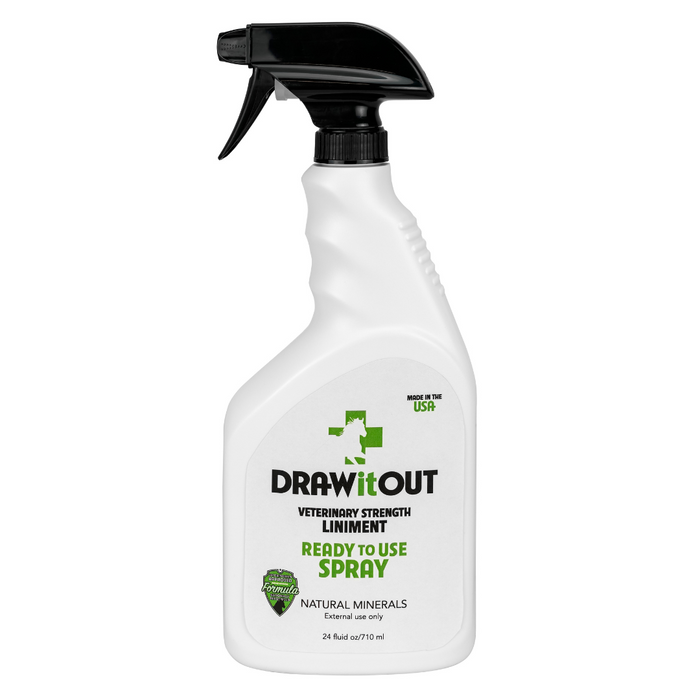
Ready To Use
A ready-to-use spray format for quick application after work, travel, turnout, or daily care.
View product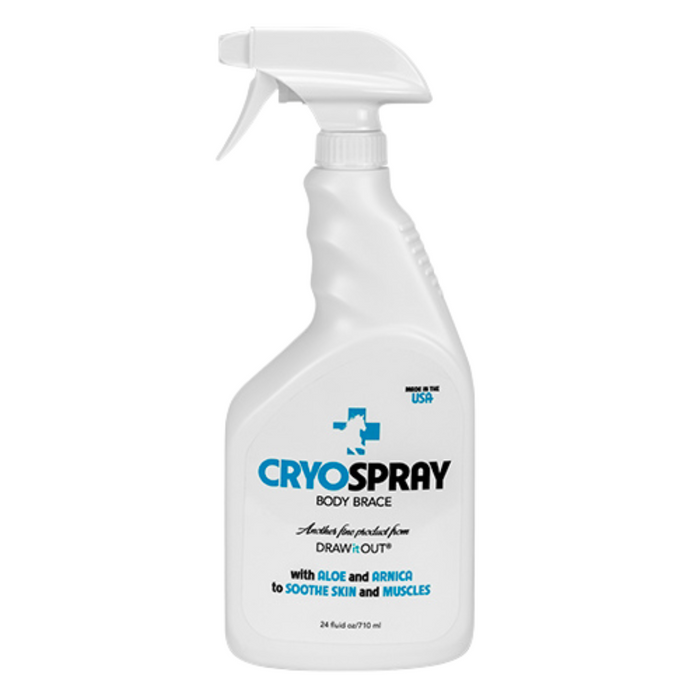
Cooling Brace
A cooling body brace spray for riders who want a fast, practical option after hard work or hot days.
View productFormat matters. Gel, concentrate, ready-to-use spray, and cooling spray each solve a different barn problem. Pick the one your routine will actually use.
!