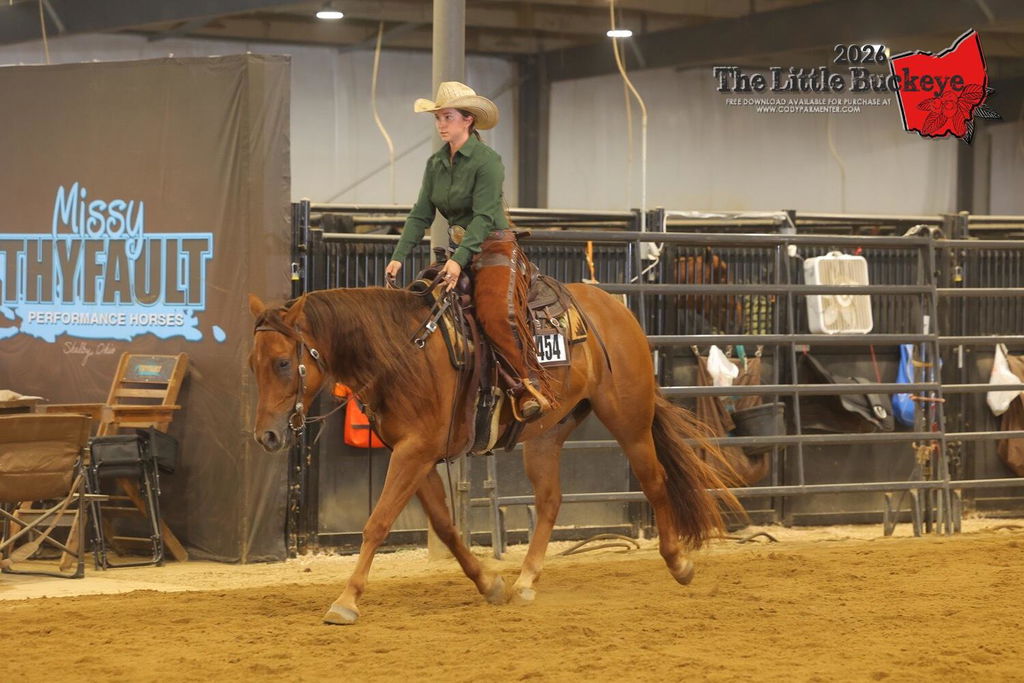
Daily recovery
Liniment Gels
Explore the Draw It Out® liniment gel lineup for everyday use, post-work routines, and targeted recovery support.
Shop liniment gels
Equine Infectious Anemia is not a casual topic and it is not something any spray solves on its own. It is a serious viral disease with no cure, which means the smartest barn approach is simple: reduce blood transfer risk, stay current on testing requirements, tighten up handling habits, and make fly pressure harder to live with.
This page is built for that practical lane. Not panic. Not miracle claims. Just a cleaner routine riders can actually follow.
Equine Infectious Anemia, often called EIA or swamp fever, is a blood-borne viral disease that affects horses and other equids. There is no cure. Infected animals may become lifelong carriers, which is exactly why routine testing and strict management matter so much.
If you want the full disease overview, including symptoms, testing, and regulatory basics, start with our main guide here: Equine Infectious Anemia in Horses.
EIA risk is not managed by one product. It is managed by layers: clean handling, current Coggins paperwork where required, reduced biting fly pressure, isolation discipline, and veterinary guidance when something looks off.
Biting flies matter because EIA spreads through blood transfer, and large biting insects are one of the main ways that can happen. That does not mean every fly equals disease. It means fly pressure is one practical risk factor you can control better than most barns do.
When horses are standing in high-pressure fly conditions day after day, the barn is already losing. Horses get irritated, routines get sloppy, and every weak point in management gets exposed faster.
Know your local and event requirements. A current negative Coggins is not just paperwork theater. It is one of the most basic filters the industry uses to reduce preventable exposure.
Anything that can move blood from one horse to another deserves serious attention. Needles, syringes, and any equipment that could be contaminated should be handled like it matters, because it does.
New arrivals should not just be unloaded and blended into the herd because everyone seems nice. Ask for paperwork. Review testing status. Use a deliberate intake routine. Sloppy entry protocols are how barns create avoidable problems.
Good fly management is not glamorous. It is repetitive. Clean manure promptly. Reduce standing water. Keep traffic and waste areas from becoming insect magnets. Use physical barriers where they help. Then support that routine with a product riders will actually use consistently.
The best risk-control habits are usually the least exciting ones. A horse that gets checked, cleaned, and managed the same way every day is easier to protect than one living in a different system every other week.
Most barns do not fail because they lack one magic tool. They fail because the simple steps are too inconsistent to matter.
Citraquin® belongs in the fly-pressure lane, not the miracle lane. Its role is to support a more consistent daily fly-control routine so horses are less bothered, less distracted, and less exposed to biting insect pressure around turnout, work, and barn life.
That is the right way to talk about it. Not as a cure. Not as a substitute for testing. Not as a shortcut around biosecurity. Just as one practical part of a layered program.
If fly pressure is one of the weak spots in your current setup, start here:
If a horse looks unwell, develops unexplained fever, swelling, weakness, lethargy, or anything that feels outside the normal daily range, stop playing internet doctor and call your veterinarian. EIA is only one possible concern, but it is exactly the kind of serious issue that belongs in a professional medical conversation, not a guess-and-hope routine.
This page is here to help riders think more clearly about prevention habits during fly season. It is not your diagnostic page. It is not your legal requirement page. It is your practical reminder that barn management still matters.
For the full educational overview on EIA itself, go here: Equine Infectious Anemia in Horses.
Start with the right next step for your barn. Tighten your fly routine, review your broader prevention habits, and keep your horse care system practical enough to actually stick.
No. Fly control is only one layer. EIA risk reduction also depends on testing, intake discipline, clean equipment handling, and veterinary oversight when needed.
Biting flies are one of the known ways infected blood can move between equids. That makes fly pressure worth taking seriously as part of a broader prevention plan.
No. This page is educational. Any horse showing abnormal clinical signs or any barn dealing with testing or exposure concerns should involve a veterinarian promptly.
Start with the Fly Protection Hub, then review the Citraquin® application guide for a simple repeatable approach.
Looking for the full disease explainer instead of the routine angle? Read Equine Infectious Anemia in Horses: Causes, Symptoms, Coggins Testing and Prevention.
This article gives you the background. If you are ready to put the idea into a real horse care routine, these are the next places most riders should go.
Explore the Draw It Out® liniment gel lineup for everyday use, post-work routines, and targeted recovery support.
Shop liniment gelsMatch your horse’s workload, age, routine, and care goals to the Draw It Out® products that make the most sense.
Use the finderLearn how riders support soundness, comfort, and consistency before little issues become bigger problems.
Read the guideReal Barn Proof
Real riders. Real horses. Real routines. These clips rotate automatically so the proof stays fresh without weighing the page down with a long feed.
Why this matters: good horse care should make sense outside the ad. These clips show the kind of everyday use that builds trust one barn at a time.
Further Reading
Horse care works better when the next step is clear. These related reads help connect today’s topic to better daily decisions in the barn.

Jul 13, 2026
Quick answer: If a horse’s muscles quiver after work, stop the session, cool and observe the horse, and check breathing, attitude, movement, s...
Read article
Jul 12, 2026
A practical rider-first guide to lower back tightness after canter work: what to check in the saddle, loin, hind end, footing, transitions, re...
Read article
Jul 11, 2026
A practical horse-health guide to tail rubbing in hot weather, covering skin, insects, sweat, gear, parasites, hygiene, and veterinary red flags.
Read articleStart with the principle, then build the habit. The right article should make the next barn decision easier, not more complicated.
Next Step
Simple care guides, practical product paths, and rider-trusted tools built for real horses and real routines.
Good care gets easier when the next step is obvious. Read the guide, match the routine, then choose the format that fits how your barn actually works.
Recovery Routine
Want a smarter way to think through post-ride care, heat, swelling, leg support, and daily recovery decisions? Start with the Performance Recovery Hub.
Better recovery starts with a repeatable routine. The hub gives riders a clearer path from workload to product format to aftercare timing.
Rider Favorites
Four core Draw It Out® staples riders keep close for daily recovery routines, wash rack use, targeted support, and quick barn-side care.
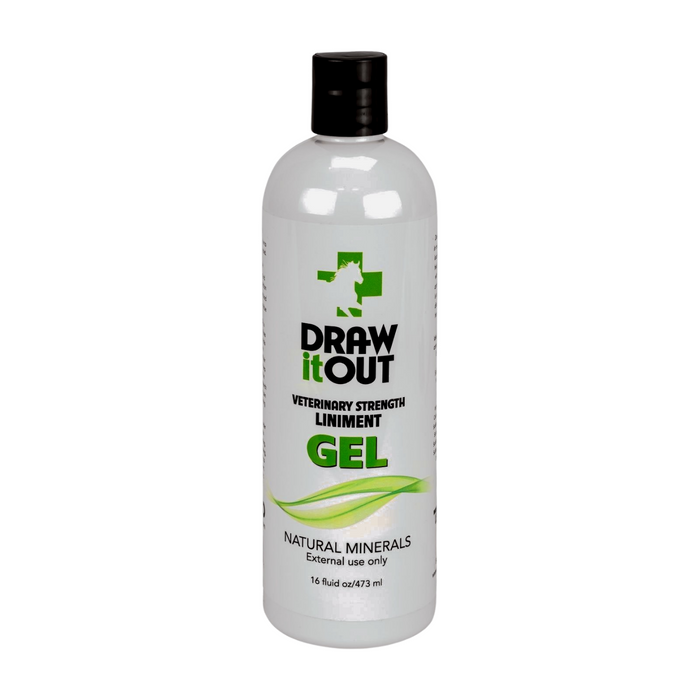
Stay-Put Gel
The everyday liniment gel format riders reach for when they want targeted, no-mess application.
View product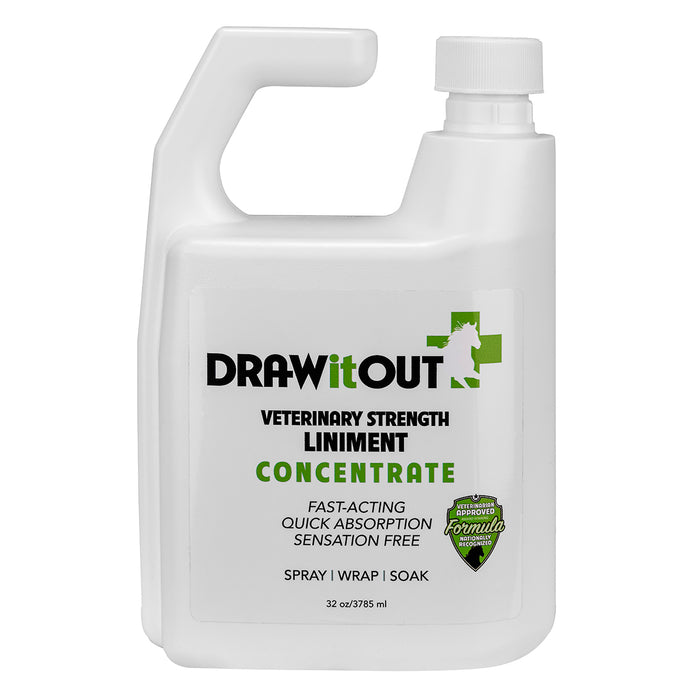
Mix Your Way
A flexible concentrate for riders who want to mix their own routine around workload and barn needs.
View product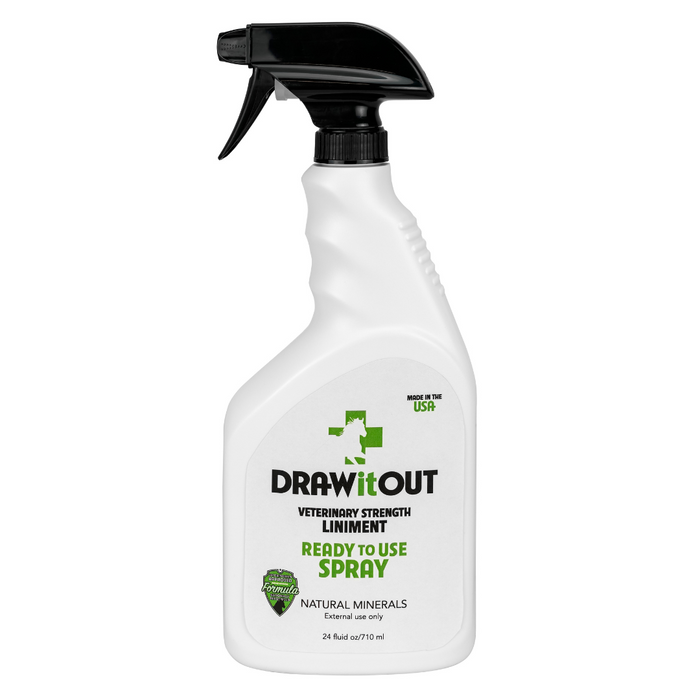
Ready To Use
A ready-to-use spray format for quick application after work, travel, turnout, or daily care.
View product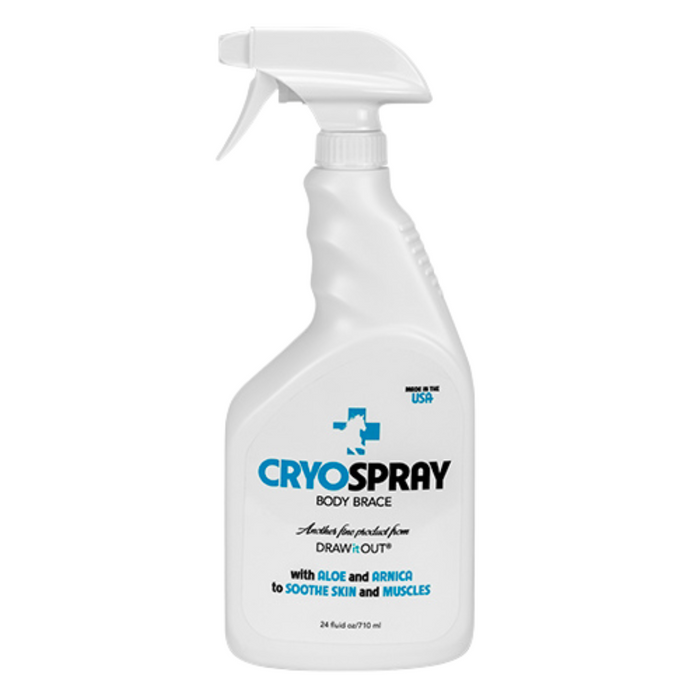
Cooling Brace
A cooling body brace spray for riders who want a fast, practical option after hard work or hot days.
View productFormat matters. Gel, concentrate, ready-to-use spray, and cooling spray each solve a different barn problem. Pick the one your routine will actually use.
!