Spring Vaccines and Soreness in Horses: Keeping Training Comfortable
Spring is when the calendar fills up fast. Vaccines are routine, but mild injection-site soreness can quietly change how a horse feels in work. This is how to read it, adjust smart, and keep the season moving.

Speakable Summary
Spring vaccines protect horses, but a normal immune response can leave some horses mildly stiff or sore for 24 to 48 hours. Watch for neck tenderness, bending resistance, or reduced shoulder freedom, keep work light, and return to normal training once comfort is obvious.
Why vaccines can change how a horse feels
Vaccines are designed to activate the immune system. That activation can include temporary local inflammation at the injection site and a short window of general tiredness.
Injection sites are often in the neck or pectoral area. Those tissues influence bending, shoulder freedom, and the comfort of carrying a frame. If those areas feel tender, your horse may move differently for a day or two.
That does not automatically mean something is wrong. In many horses, it simply means the immune system is doing the work it is supposed to do.
What riders usually notice first
The first thing many riders notice is not dramatic. It is subtle.
- A little more resistance when flexing left or right
- A shorter step through one shoulder
- More sensitivity when grooming or touching the neck
- A horse that feels flat or quieter than usual for a day
- Mild swelling or warmth at the injection site
Because these changes can be small, riders sometimes mistake them for random stiffness or an off day. In spring, especially right after a veterinary visit, the timing matters. Connect the dots before you assume your horse is being difficult.
Training adjustments that protect progress
If your horse feels a little off the day after vaccines, treat it like a planned recovery day. Most riders lose more time pushing through soreness than they do by backing off for one ride.
1. Keep the work easy
Choose a walk-focused ride, a loose hack, turnout, or simple hand walking. Save collected work, intense lateral exercises, or drilling patterns for when your horse is clearly comfortable again.
2. Do not force bend or frame
If the neck is tender, asking for extra flexion can make the whole session feel worse than it needs to. Straight lines and forward relaxation are usually the smarter play.
3. Let movement help
Gentle movement often helps horses feel less stiff. The mistake is not movement. The mistake is asking for too much too soon.
4. Return to normal when comfort is obvious
Once the horse is moving freely, bending without resistance, and acting like themselves again, most riders can step back into the usual program without issue.
When normal soreness stops being normal
Mild soreness for a day or two is common. What should get your attention is a reaction that is stronger than expected or not improving.
- Marked swelling that grows instead of settles
- Heat, pain, or stiffness that does not ease after 48 hours
- Fever, hives, breathing changes, or signs of systemic illness
- A horse that refuses to move normally or seems significantly depressed
If that is what you are seeing, call your veterinarian. Vaccine protection matters, but so does distinguishing a routine post-shot response from something that needs direct medical input.
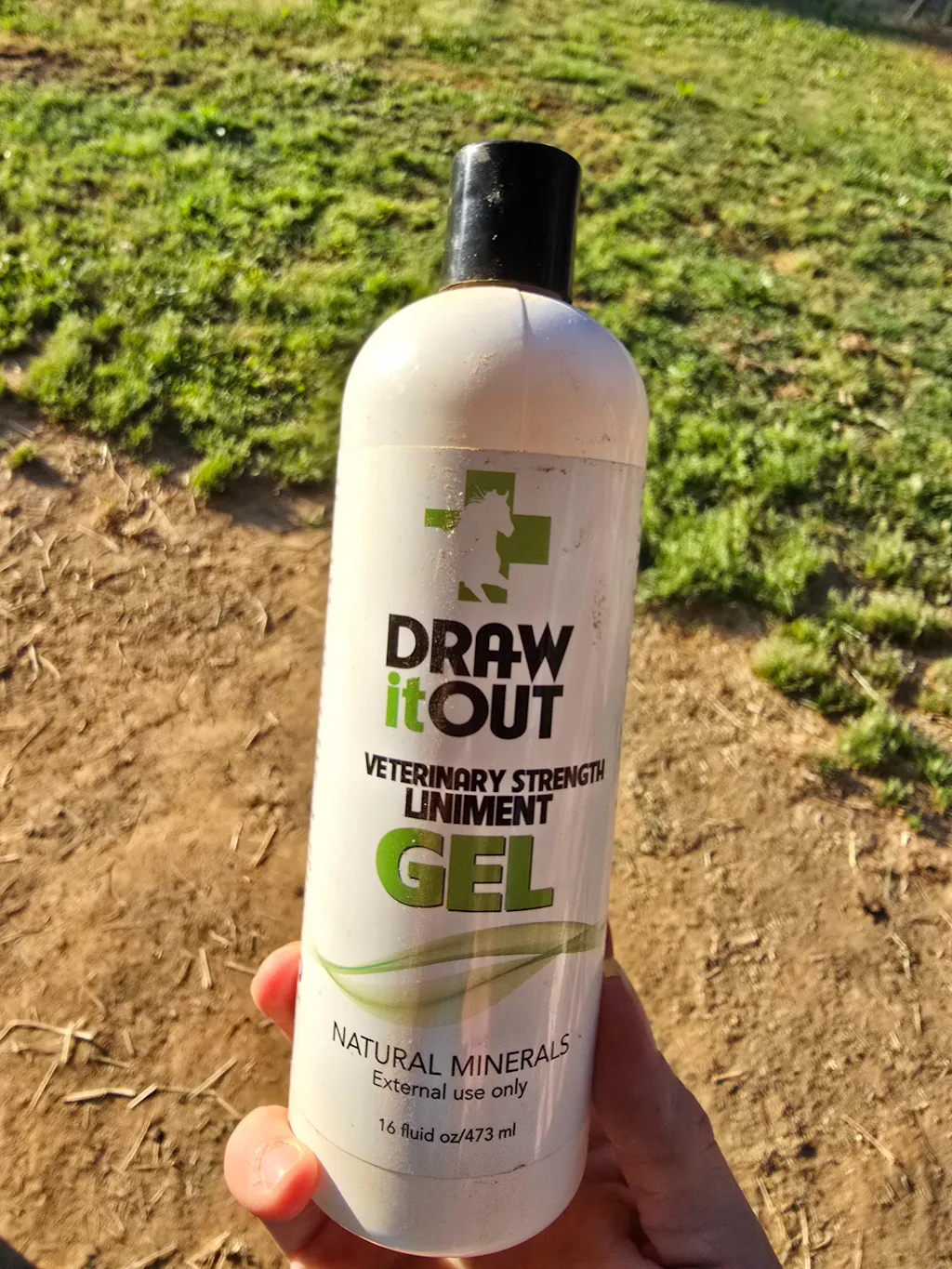
Where Draw It Out® fits in a comfort routine
Vaccines are not a reason to throw random products at a horse. They are a reason to keep the routine calm, clean, and predictable.
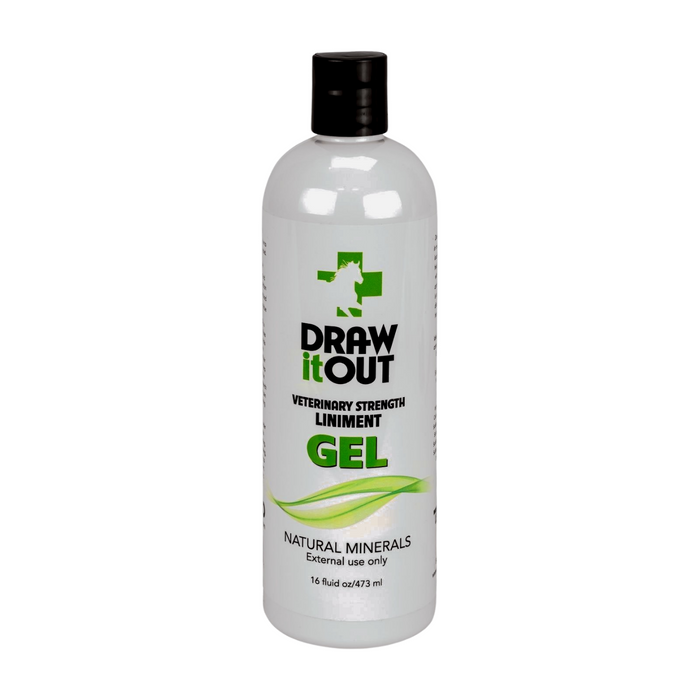
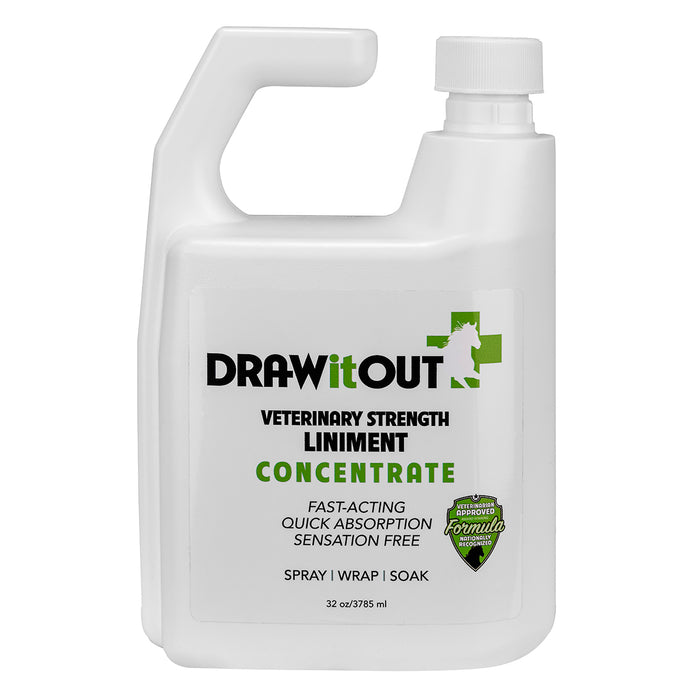
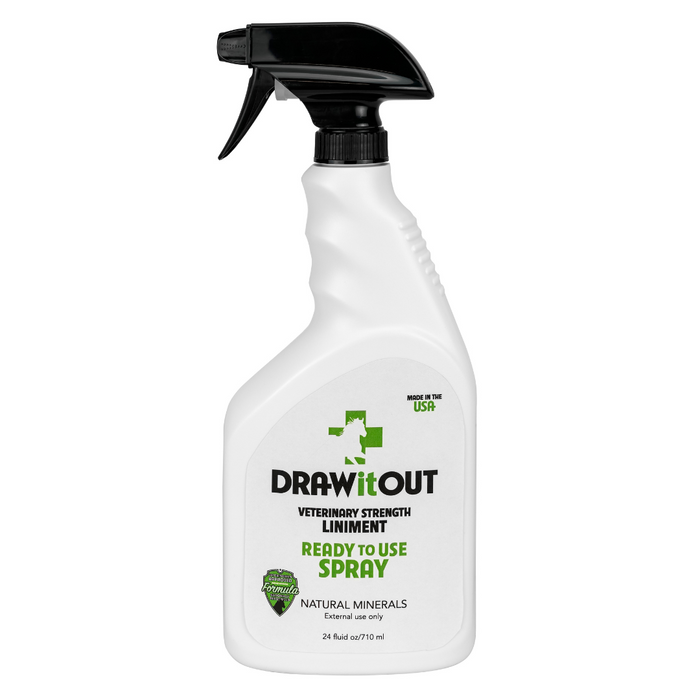
For riders who already keep a steady recovery system in place, this is where a sensation-free liniment gel often fits. A thin, controlled application on normal workload areas can help support comfort without turning recovery into a production.
That philosophy lines up with Prehabilitation. You plan for small stress events before they become larger interruptions. Spring vaccines are one of those predictable events.
If you want a clearer daily routine, start with the Solution Finder. If you already know you are building a broader post-work and seasonal routine, the Performance & Recovery Collection is the right place to look next.
Plan the calendar, not just the shots
Vaccination season does not have to derail conditioning. Schedule smart. Ease up briefly. Keep movement gentle. Return to normal work when comfort is obvious.
Handled well, vaccines become a short pause, not a setback.
Need the right routine?
Match your horse to the most useful next step based on workload, recovery needs, and what feels off today.
Start the Solution FinderBuild better prevention habits
See how proactive warm up, cool down, hydration, and daily care keep small setbacks from turning into bigger ones.
Explore PrehabilitationShop recovery tools
Browse rider-trusted support for post-work comfort, seasonal workload changes, and everyday barn consistency.
Shop Performance & RecoveryFAQ
Can you ride a horse after vaccines?
Usually yes, but keep the work light if your horse seems stiff, sore, or tired. Many horses do best with an easy day and a return to normal training once comfort is obvious.
How long does vaccine soreness usually last in horses?
Mild soreness often settles within 24 to 48 hours. If swelling, pain, or stiffness is worsening or not improving, contact your veterinarian.
Where do horses usually feel sore after spring shots?
Most commonly in the neck or sometimes the pectoral area, depending on where the injection was given. That can affect bending, shoulder freedom, and overall comfort in work.
What is the biggest mistake riders make after vaccines?
Pushing through obvious stiffness because the reaction seems minor. One easier session usually costs less than asking a horse to compensate through tenderness.
When should I call the vet after a vaccine reaction?
Call if you see significant swelling, fever, hives, breathing changes, marked depression, or soreness that is not improving after 48 hours.
This article is educational and does not replace veterinary guidance. Always follow your veterinarian’s vaccine protocol and post-visit instructions.