Can You Use Horse Liniment in Hot Weather? A Practical Summer Guide
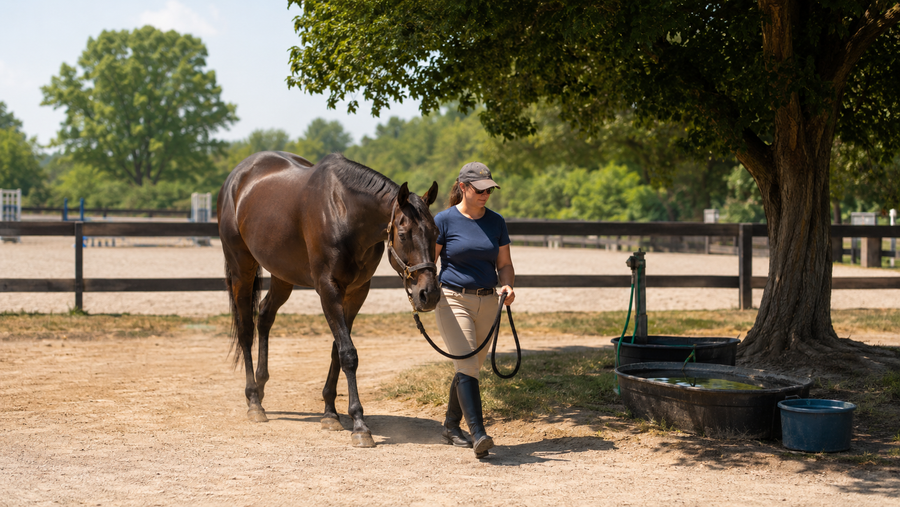
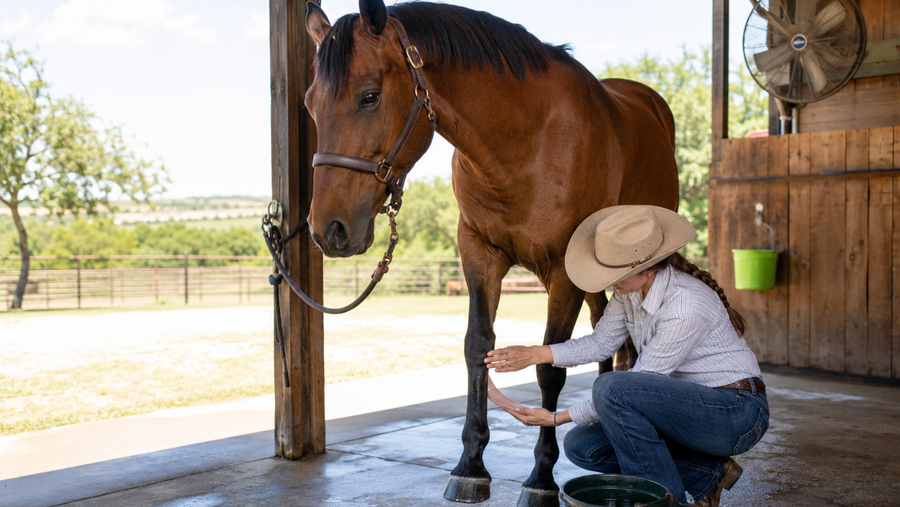
Can you use horse liniment during the heat of the day? Yes, but the horse's temperature, skin condition, and recovery matter more than the clock. Here is the...

Head tossing in heat can be flies, sweat, eyes, ears, bit pressure, bridle fit, breathing, pain, or rider hands. Treat it like information before you label it attitude.
If your horse tosses his head in hot weather, check flies, eyes, ears, nose, bit fit, teeth, bridle pressure, poll sensitivity, sweat under tack, and whether it appears with work, sunlight, insects, or contact. Call your veterinarian for eye issues, nasal discharge, severe head shaking, pain, neurologic signs, or sudden behavior changes.
Biting flies and midges can irritate the thin skin around the outer ear and ear tips, leading to bumps, redness, scabs, rubbing, or head tossing. Check both ears in good light and compare them. Do not pick scabs, force ear handling, push swabs into the ear, or pour cleaners, oils, repellents, or home mixtures into the ear canal.
A clean fly mask with ear covers may help reduce direct insect pressure when it fits correctly and the horse tolerates it. Remove and inspect it daily, keep it clean, and address manure, wet areas, and other fly-breeding conditions around the barn. For a full ear-focused checklist, use the Horse Ear Care guide. For barn-wide insect management, use the Fly Protection guide.
Stop and check the face, tack, ears, and environment. Change one variable at a time. If the behavior is sudden, severe, painful, persistent, one-sided, or unsafe, involve your veterinarian and trainer rather than guessing.
Use the Horse Health Library, Horse Ear Care guide, Fly Protection guide, and What Does My Horse Need? guide to sort body, skin, insect, and routine clues. Ear-canal treatment belongs with your veterinarian.
Flies, sunlight, sweat, eye irritation, ear discomfort, bit fit, teeth, tack pressure, or pain can all contribute.
Yes. Biting flies and midges can irritate the outer ear and ear tips, causing rubbing, scabs, sensitivity, or head tossing. Persistent or severe signs still need veterinary evaluation because ear, eye, dental, neurologic, and other problems can look similar.
Call for eye symptoms, ear discharge or odor, head tilt, balance changes, nasal discharge, severe or persistent head shaking, sudden behavior change, pain, or neurologic signs.
Check eyes, ears, mouth, tack, insects, and heat before calling it bad behavior.
Can you use horse liniment during the heat of the day? Yes, but the horse's temperature, skin condition, and recovery matter more than the clock. Here is the...
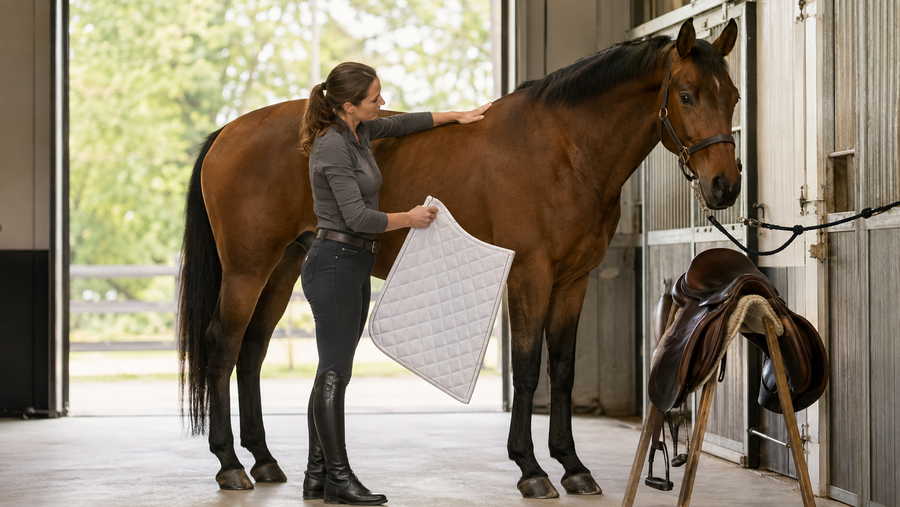
A practical horse health guide for sensitivity after a new saddle pad: sweat marks, dry spots, pad edges, saddle balance, and when to call for help.
Canterbury Park canceled July 26 racing after projected heat indices above 105°F. Here is what riders and horse-event organizers should build into a heat stop-plan.
!