
Jul 21, 2026
Real Rider of the Month: Kaitlyn Schmuck
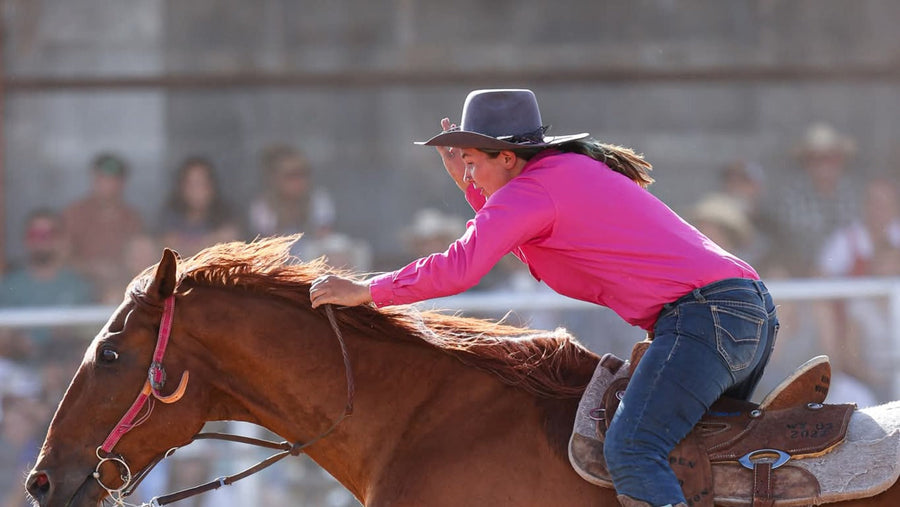
Meet Kaitlyn Schmuck of Misfit Rodeo, a Wyoming rodeo, trail and day-work horsewoman who uses EQUINE | DEFENDER™ K Tape with her barrel h...

Quick answer: Horse owners cannot control every price or medical event, but they can control planning. Build the budget around forage, hoof care, veterinary care, facilities, transport, and emergency reserves before spending on optional products and competition extras.
The cheapest choice today can become expensive when it creates waste, missed maintenance, poor records, or a delayed professional visit. Preventive care lowers some avoidable risk, but it cannot guarantee that a horse will not become sick or injured.
The Draw It Out® 16oz Liniment Gel is available as single, two-pack, and four-pack options. Choose the stocked format that matches real routine volume; do not buy more solely to create the appearance of savings.
Bottom line: A durable horse budget funds welfare first, plans for maintenance, and preserves enough margin to make a clear decision when the horse needs help.
Educational content only. This article does not replace veterinary diagnosis, treatment, farrier care, qualified instruction or tack fitting, emergency services, or current competition rules.
Meet Kaitlyn Schmuck of Misfit Rodeo, a Wyoming rodeo, trail and day-work horsewoman who uses EQUINE | DEFENDER™ K Tape with her barrel h...
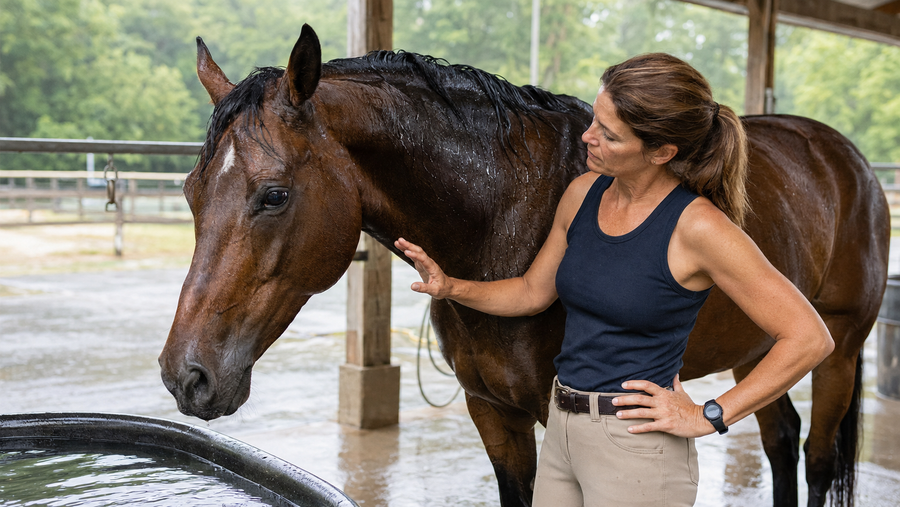
Track breathing, sweat, workload, shade, airflow, water interest, and recovery time when a horse is slow to cool after humid work.
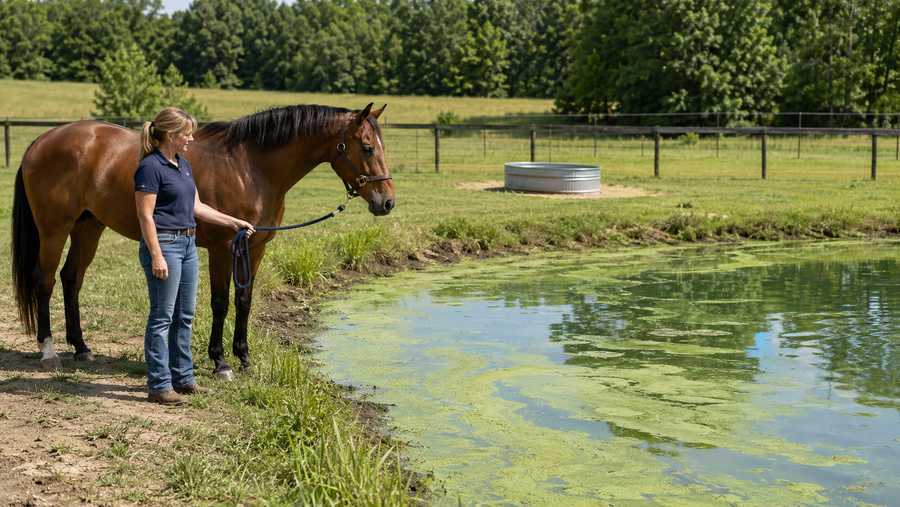
A practical horse-owner guide to blue-green algae and harmful algal blooms in ponds, lakes, troughs, and stock tanks, including warning s...
!