Draw It Out® 16oz High Potency Gel
Sensation-free, water-based support that keeps recovery quiet—perfect between boxing and fence work.
Shop the Gel →
By Jon Conklin • Updated • 6–8 min read
A true working cow horse reads cattle like weather—quick, quiet, and decisive. From dry work precision to down-the-fence bravery, here’s how the program fits together and how to keep these athletes settled and ready to think.
Hand-walk, hose large muscles, scrape immediately, repeat. Move air; let breathing settle before application.
Apply sensation-free support to high-motion zones (hindquarters, stifles, cannons) with thin, even coverage.
Light hack/stretch, quiet stall time, steady feed/water timing. Avoid over-schooling when the mind is already good.
Walk on arrival, rinse/scrape if needed, quick check of legs/feet, then minimal, targeted application.
Sensation-free, water-based support that keeps recovery quiet—perfect between boxing and fence work.
Shop the Gel →Focused support for high-motion joints on multi-class days; clean feel, no heat or sting.
Explore MasterMudd™ →Stay-put barrier support on lower legs when dust, wash racks, and long weeks try to win.
Learn about SilverHoof →Note: Follow label directions; avoid topical use near eyes; coordinate with your veterinarian when needed.
Want a printable Cow Horse Care Checklist (dry work, cattle sets, cool-down timing)? Reach out—we’ll tailor it to your barn and schedule.
Less than you think—prioritize quality reps. Keep horses mentally fresh so reads stay sharp and confident.
Over-schooling. Confirm feel, then protect recovery so the horse walks to the gate curious, not cooked.
Yes. No heat or sting = calmer minds and cleaner coats in dusty pens, especially on white socks and cannons.
Stop often for water and checks, log legs/feet on arrival, and keep the first session short and confidence-focused.
Riders trust the sensation-free profile. Always verify current rules for your association and event.

When it comes to fly protection, clarity wins. Forget the techy buzzwords and nostalgic marketing — what matters is knowing exactl...

In a barn where loyalty meets grit, we know margins matter — especially the “cannon‑band” zone on your horse. Here’s how to dial in fit, ...

Cold weather and heavy blankets make more demands on your horse. Learn why blanket fit matters for mobility, how to spot fit issues, and ...
!
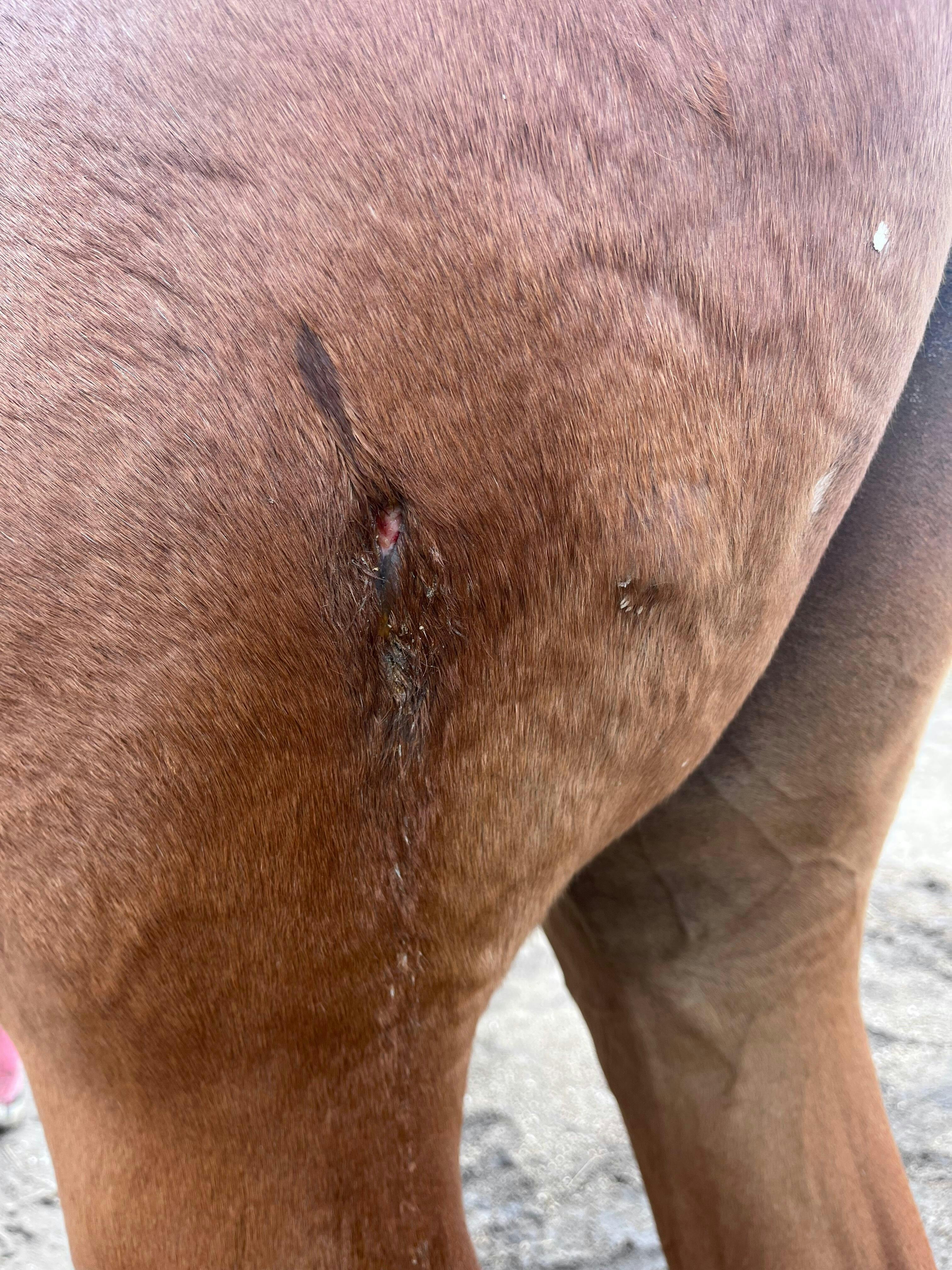
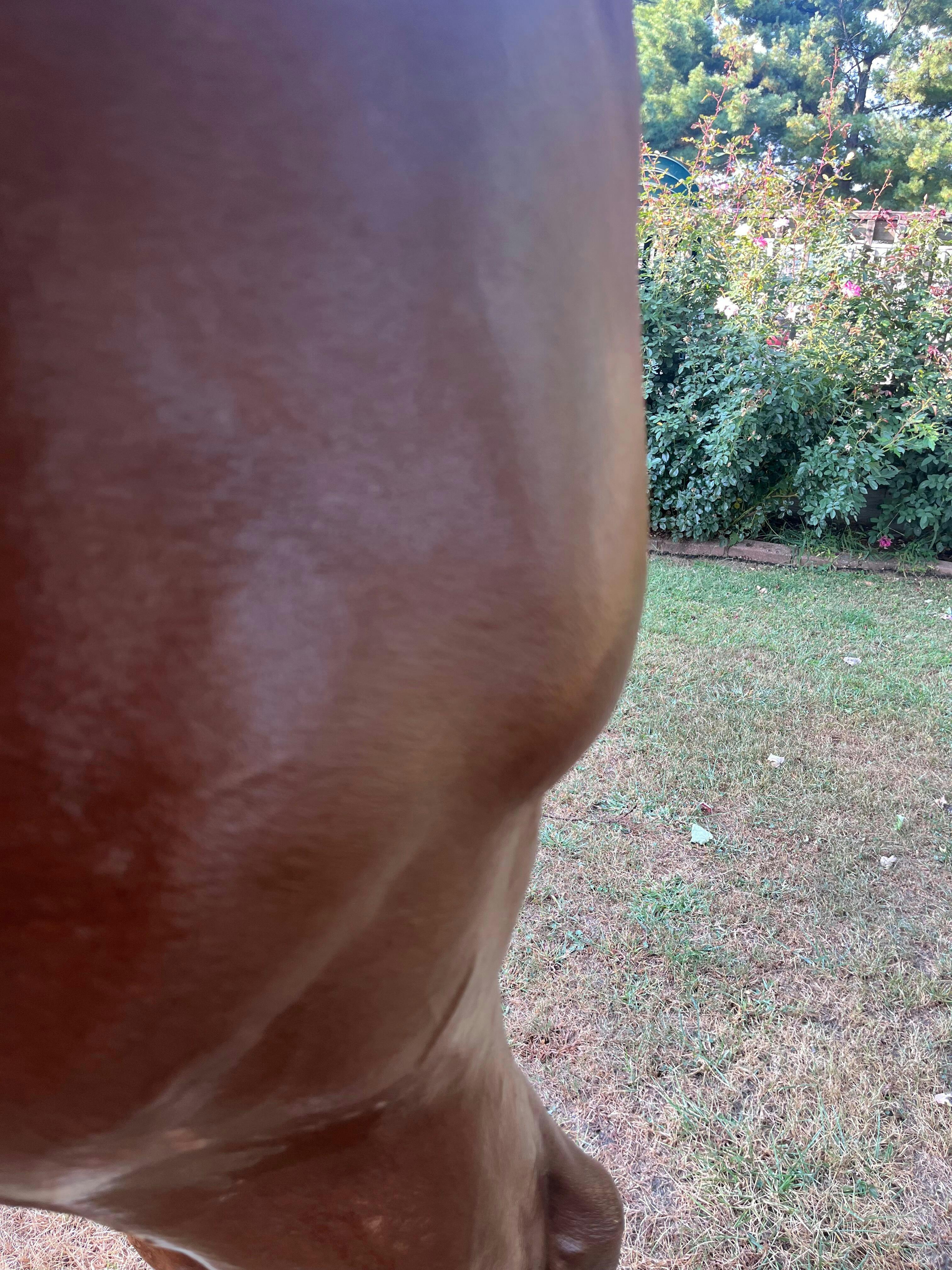
My horse had a huge hematoma I spent months trying to get it to heal. The vet ended up lancing it but it was still having issues draining due to swelling. I had done just about everything I could; poultice 12on/12off, cold hose twice a day, bute, and antibiotics. I felt like I couldn’t stay on top of it. ONE day of using this liniment the results showed immediately. The swelling decreased by 50% and he overall looked a lot more comfortable. A few days later it was healed up and scabbed over.