
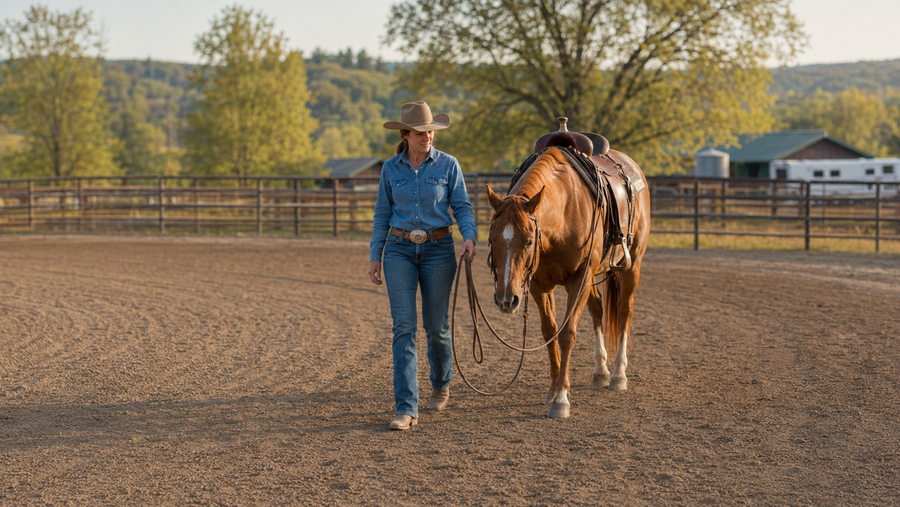
Jul 31, 2026
Can You Keep a Horse Fit Riding Three Days a Week? A Realistic Plan
A realistic three-day horse fitness plan with base work, strength and skill, quality effort, recovery days, warning signs, and a sample w...

Real Rider Resource
A horse that rubs, bites, scratches, loses hair, or develops a rough coat is not just being annoying. Skin and coat changes are information, and lice is one of the things responsible riders should know how to check for.
Lice can create a barn full of frustration because the signs can look like a lot of other problems. A horse rubs the mane. The coat gets rough. Hair breaks near the tailhead. The horse is restless. Someone blames blankets, dry skin, feed, weather, allergies, or grooming.
Sometimes those things matter. Sometimes the problem is parasites on the skin and hair coat.
The right answer is not panic. It is inspection, veterinary guidance when needed, and cleaning the barn routine so the problem does not keep circling back.
If one horse is itchy, check the horse. If several horses are itchy, check the barn system.
Lice and nits can be easier to find when you part the hair and look close in good light. Thick winter coats can hide a lot.
Close contact, shared grooming tools, blankets, tack, saddle pads, trailers, stalls, and herd movement can all contribute to spread. Horses with poor body condition, thick coats, stress, or compromised health may be more vulnerable.
That does not mean dirty people own itchy horses. It means barns need systems.
Grooming and skin support products do not replace diagnosis or parasite treatment. They support the surrounding routine: cleaning, coat care, skin awareness, and barn organization.
Grooming Routine Picks can support the everyday cleanup side of the routine. The Horse Health Library helps riders sort the problem before guessing from the shelf.
Call your veterinarian if itching is intense, multiple horses are affected, the skin is raw or infected-looking, hair loss is spreading, the horse is losing condition, or the problem keeps coming back.
Lice is not a character judgment on a barn. It is a management problem that needs inspection, treatment direction, clean tools, and follow-up. Check the horse. Clean the system. Do not let the itch become the new normal.
Educational only. This article is not a substitute for veterinary diagnosis or treatment. Persistent itching, raw skin, spreading hair loss, multiple affected horses, or recurring skin problems should be discussed with your veterinarian.
A realistic three-day horse fitness plan with base work, strength and skill, quality effort, recovery days, warning signs, and a sample w...

An easy day may suit a sound horse that benefits from low-stress movement. Learn when to choose walking, turnout, light work, rest, or ve...
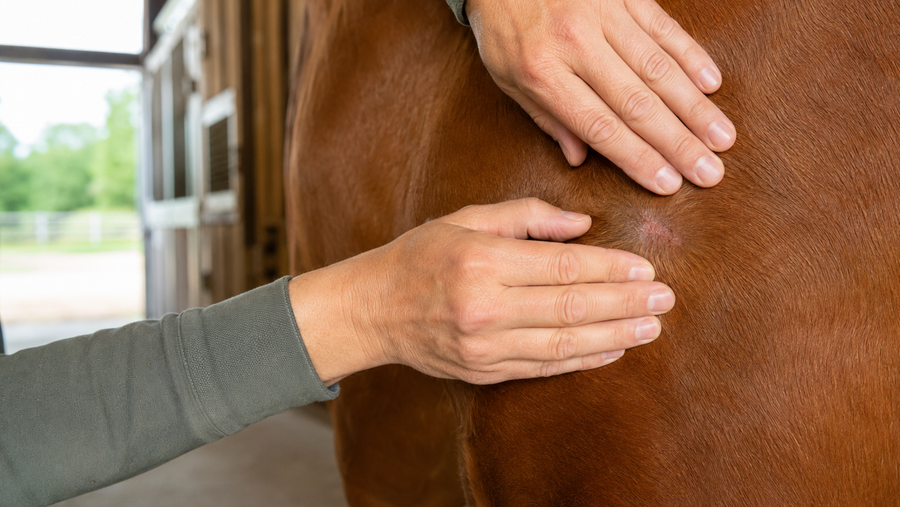
Can you use hydrocortisone on a horse? Learn what it does, when itching needs a veterinarian, and how to route intact skin versus broken ...
!