Quick Answer
When a horse feels one step behind, slow the question down before making the aids louder. Check response in simple work, rhythm, balance, rider timing, footing, tack, fatigue, heat, travel, pain, and recovery. Stop for lameness, pain, abnormal breathing, weakness, a sudden major change, or a pattern that worsens.
“Behind” can mean slow off the leg, delayed in transitions, late through a turn, mentally distracted, or physically less coordinated. The description matters because each pattern suggests a different next question.
Find the First Delay
Start with walk-halt-walk and simple steering. Is the horse late everywhere or only in one gait, direction, maneuver, or stage of the ride? Does the response improve after a clear cue, or decline as the horse tires?
Escalation without diagnosis can make the horse dull, anxious, or defensive.
Audit the Rider
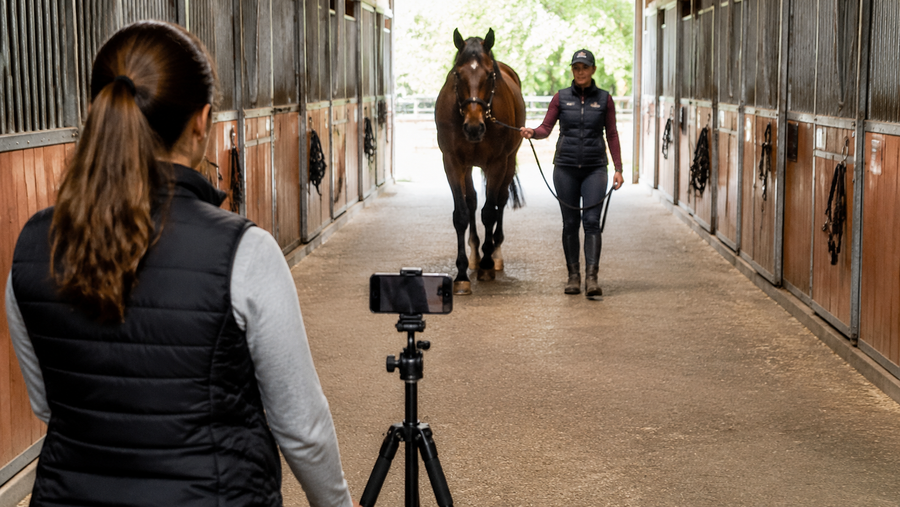
Check whether the leg is constantly on, the hand blocks forward movement, the cue arrives late, or the rider never releases after a response. Ask a trainer to observe or review safe video when timing is difficult to feel.
Restore Rhythm and Balance
Return to a gait the horse can organize. Use straight lines, simple transitions, and walking breaks. Ask once, reward the response, and avoid drilling after quality drops.
Check Conditions and Recovery
- Heat, humidity, footing, travel, and total workload.
- Feet, legs, back, girth area, mouth, and tack.
- Breathing, sweat, attitude, appetite, and next-day movement.
- Whether the pattern is new, one-sided, or tied to a specific exercise.
Move Pain Out of the Training Lane
Stop and contact the veterinarian for lameness, pain, heat, swelling, wounds, weakness, neurological signs, abnormal breathing, or a significant behavior or performance change. Do not punish a possible physical problem as laziness.
Plan the Next Session
If the horse catches up when cues and work become clearer, keep the session brief and successful. If the pattern persists, use How Real Riders Know When to Ask for Help to choose the right professional.
Where Draw It Out® Fits
An external Draw It Out® liniment may fit a familiar, label-directed post-work routine for an otherwise appropriate horse. It does not create responsiveness or diagnose fatigue, pain, or training problems.
FAQ
Why does my horse feel behind my leg?
Fatigue, confusion, rider timing, balance, footing, tack, pain, heat, and fitness can all contribute.
Should I use stronger aids?
First make the cue clear and check comfort. Stronger aids can create more tension or dullness when the cause is not understood.
When should I stop riding?
Stop for pain, lameness, abnormal breathing, weakness, unsafe behavior, or a significant change that is not improving.
General riding education only. This article does not diagnose a horse and does not replace veterinary care or qualified instruction.