
Jul 06, 2026
How Real Riders Bring a Horse Back After a Loud Weekend
After fireworks, crowds, hauling, or a disrupted weekend, use water, manure, appetite, injuries, movement, and attitude to set the horse’...

The horse should be checked before the saddle ever leaves the rack. Tack does not create the truth. It often hides it until the rider is already committed.
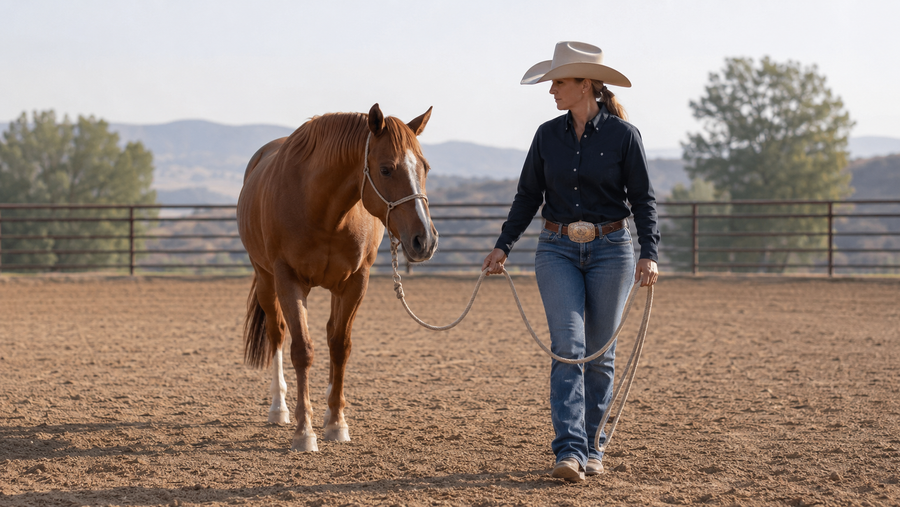
Real riders check the horse before tack by watching attitude, first steps, legs, feet, back, girth area, skin, appetite, water, and what changed since the last ride. That check decides whether the horse gets work, light movement, or help.
Once the horse is saddled, the rider tends to defend the plan. Before tack, the rider is more honest. A quick hands-on check catches small changes before they become a bad warmup, a sour ride, or a preventable argument.
Make the check part of the routine, not something you do only when there is a problem. If the horse passes, ride with confidence. If something is off, adjust the plan and write down what changed.
Use the Horse Health Library and What Does My Horse Need? guide to match what you notice to the right care path. For external post-ride support, review the active horse liniment collection.
Check attitude, first steps, legs, feet, back, girth area, skin, appetite, water, and recent routine changes.
Do not force the original plan. Adjust the day and call the right professional when the issue is painful, repeated, or worsening.
The best rides start with a rider willing to look before asking.
After fireworks, crowds, hauling, or a disrupted weekend, use water, manure, appetite, injuries, movement, and attitude to set the horse’...
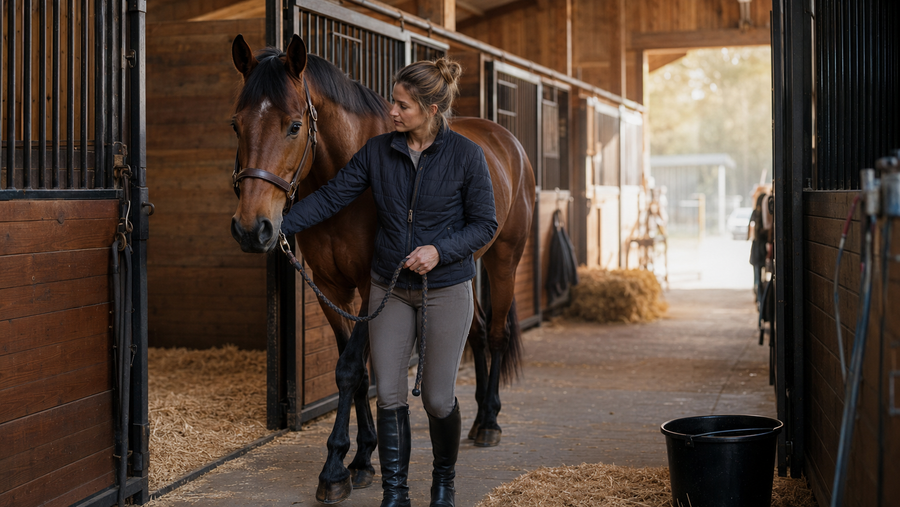
A Real Rider Resource guide for the morning after fireworks: what horse owners should check before riding or hauling again.
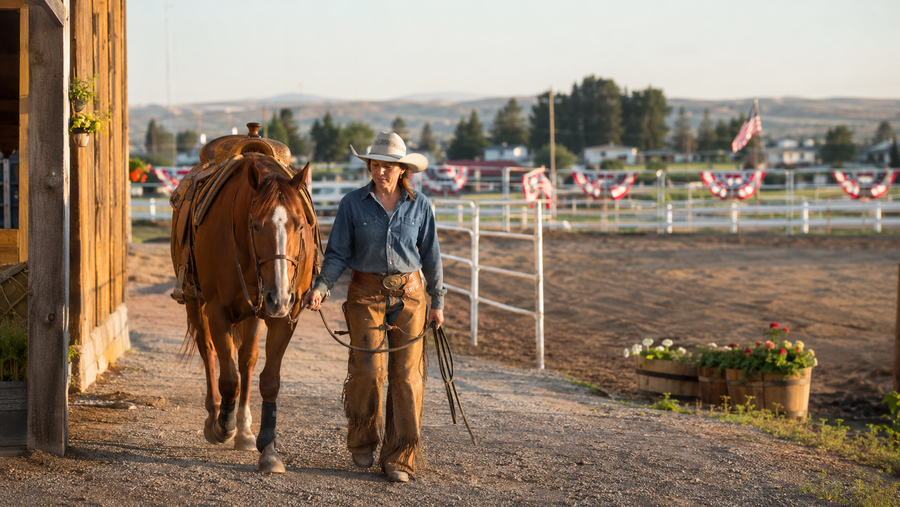
A Real Rider Resource guide for Fourth of July barn routines, quieter rides, firework disruption, and checking the horse before the day g...
!